
How Graphic Design Can Strengthen Your Brand Identity

How AI Tools Can Revolutionize Your Marketing Strategy
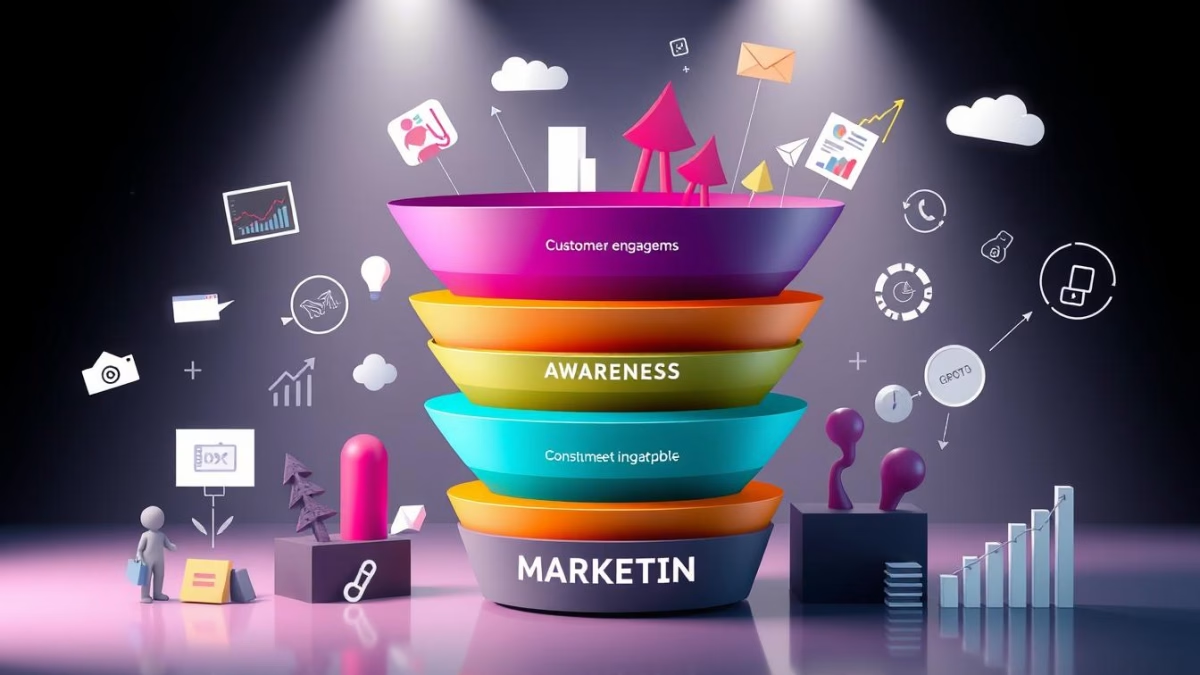
As small business owners, we understand the importance of effectively converting leads into customers. One powerful tool in our arsenal is the marketing funnel, a strategic framework that guides prospects through their journey towards making a purchase. In this comprehensive guide, we’ll explore the ins and outs of marketing funnels, empowering you to optimize your customer acquisition and retention strategies.
Marketing funnels are a series of stages that potential customers navigate, from their initial awareness of our brand to the final decision to become a customer. By understanding and optimizing this process, we can streamline our marketing efforts, track key metrics, and ultimately drive more successful conversions.
Key Takeaways
- Marketing funnels are a strategic tool that helps businesses guide prospects through the customer journey
- Effective marketing funnels can increase lead conversion, improve customer retention, and boost overall revenue
- Understanding the different stages of the marketing funnel allows us to tailor our marketing strategies for maximum impact
- Analyzing and optimizing our marketing funnel can help us identify problem areas and make data-driven decisions
- Leveraging content and social media can be powerful allies in moving prospects through the funnel
What Are Marketing Funnels?
Marketing funnels are strategic frameworks that map out the journey of potential customers from initial brand awareness to the final purchase. These funnels are typically shaped wide at the top and narrow at the bottom, designed to gather leads and guide them through a series of stages.
Definition of Marketing Funnels
A marketing funnel is a visual representation of the customer acquisition process. It outlines the different stages customers go through, from first becoming aware of a product or service to ultimately making a purchase. The AIDA model (Awareness, Interest, Desire, Action) is a common structure used to depict the stages of a marketing funnel.
Importance of Marketing Funnels for Businesses
Marketing funnels are crucial for small businesses looking to effectively cut through the digital noise, target their ideal customers, manage their marketing budgets efficiently, gain valuable customer insights, improve conversion rates, and build lasting relationships with their audience. By understanding the different stages of the funnel, businesses can tailor their marketing strategy and customer acquisition efforts to better resonate with potential customers and guide them towards a successful sales pipeline.
Marketing funnel stages can vary by industry and target audience, adapting to the specific needs of customer groups. The basic marketing funnel typically consists of three main stages: top of the funnel (ToFu), middle of the funnel (MoFu), and bottom of the funnel (BoFu). However, more granular models can further segment the customer journey into stages like Awareness, Consideration, Conversion, Loyalty, and Advocacy.
By understanding the different stages of the marketing funnel and developing targeted strategies for each, businesses can effectively nurture leads, increase conversion rates, and build lasting relationships with their customers.
The Stages of a Marketing Funnel
The marketing funnel is a crucial tool for understanding the customer journey and optimizing the lead nurturing process. Traditionally, the funnel has been divided into four primary stages: Awareness, Interest, Desire, and Action (AIDA). However, as the customer experience has evolved, many businesses have adapted their marketing funnels to include additional stages like Loyalty and Advocacy.
Awareness Stage
In the Awareness stage, potential customers are first introduced to your brand or product. This is where they discover your offerings through channels like advertising, social media, or word-of-mouth recommendations. The goal here is to generate interest and curiosity about what you have to offer.
Consideration Stage
Once potential customers are aware of your brand, they enter the Consideration stage. During this phase, they’ll research and evaluate your products or services, comparing them to competitors. Your focus should be on providing valuable information and building trust to position your offering as the best solution to their needs.
Decision Stage
Finally, in the Decision stage, prospects have all the information they need and are ready to make a purchase. Your goal here is to streamline the conversion process and remove any remaining friction that could prevent them from taking action. A smooth and enjoyable customer experience is crucial at this stage.
By understanding the different stages of the marketing funnel, businesses can tailor their content, messaging, and strategies to effectively guide potential customers through the customer journey, ultimately driving increased conversions and revenue.
Creating Your Own Marketing Funnel
To build an effective marketing funnel for your small business, start by identifying your target audience. Develop detailed buyer personas that outline your customers’ demographics, needs, and pain points. Understanding your target audience is crucial for creating content and offers that resonate with them throughout the buying journey.
Next, set clear goals for each stage of your marketing funnel. Your objectives might include increasing lead generation, boosting conversions, or enhancing customer loyalty. By defining specific, measurable goals for the awareness, consideration, and decision stages, you can track the success of your funnel and make data-driven optimizations.
- Awareness Stage: Attract potential customers and raise awareness about your business and its offerings.
- Consideration Stage: Nurture leads by providing valuable information and building trust with your brand.
- Decision Stage: Persuade leads to take action and convert them into paying customers.
Regularly review and refine your marketing funnel based on customer data and feedback. Analyze metrics like conversion rates, average order value, and customer lifetime value to identify areas for improvement. By continuously optimizing your funnel, you can better align your marketing objectives with your customer’s needs and drive sustainable business growth.
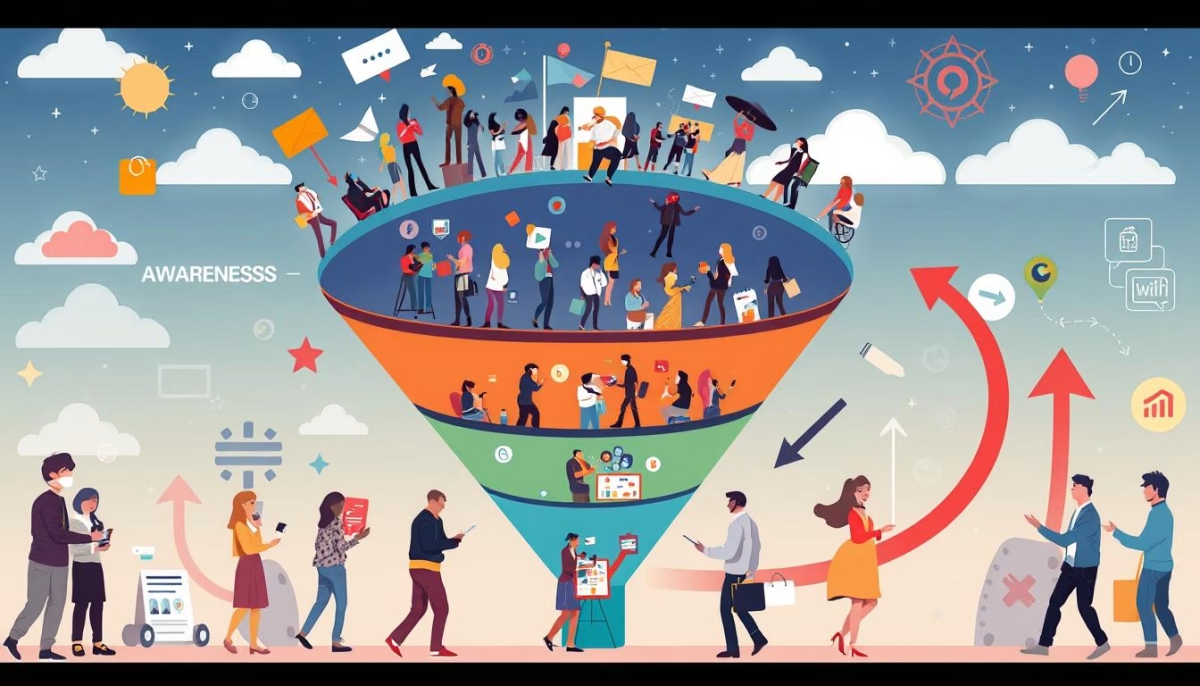
Analyzing Your Marketing Funnel
Analyzing your marketing funnel is crucial for identifying areas of optimization and improving your overall conversion rate optimization. By closely monitoring key metrics, we can uncover valuable insights that drive better business decisions.
Metrics to Track
When it comes to analyzing your marketing funnel, there are several essential metrics to keep an eye on:
- Conversion rates at each stage – Understand where prospects are dropping off and how to improve the flow.
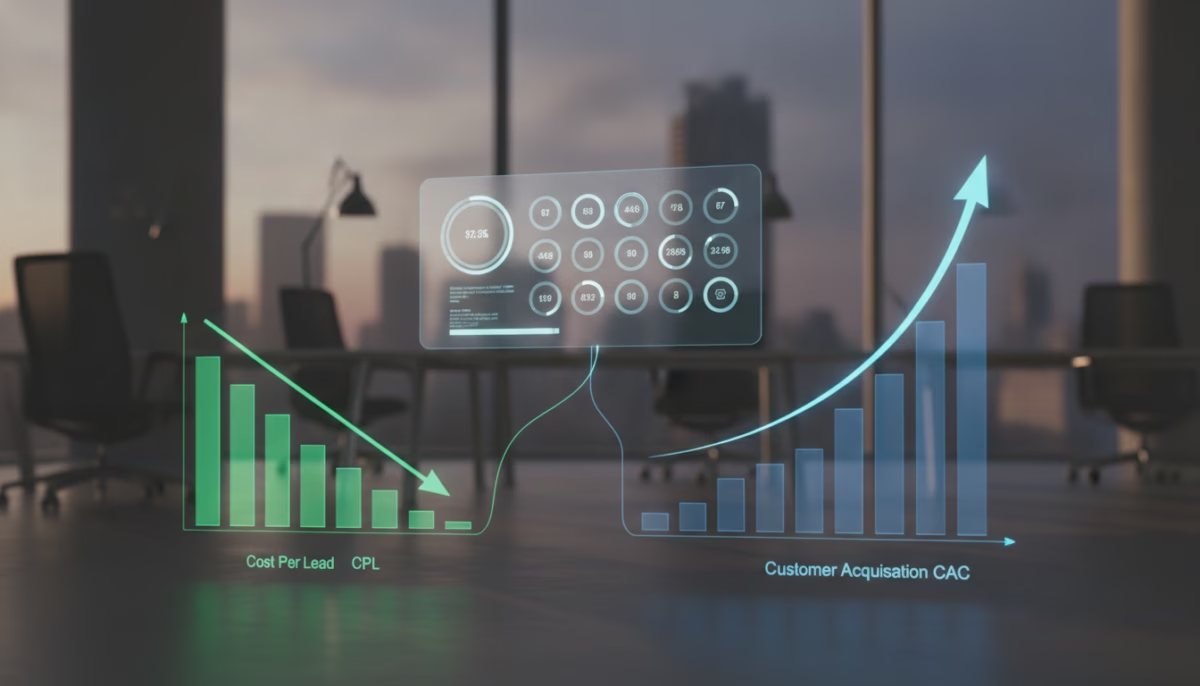
- Customer acquisition cost – Determine the cost-effectiveness of your marketing efforts.
- Lifetime value – Gauge the long-term value of your customers and opportunities for upsells.
- Engagement rates – Assess how well you’re capturing and retaining user attention.
Tools and Software for Funnel Analysis
To gather and interpret the data needed for effective funnel analysis, we recommend utilizing a variety of analytics tools and software. Some popular options include:
- Google Analytics – Provides comprehensive insights into website traffic and user behavior.
- Customer Relationship Management (CRM) software – Tracks customer interactions and lifecycle data.
- Heat mapping tools – Visualize user clicks, scrolls, and browsing patterns on your website.
By regularly reviewing and adjusting your marketing funnel based on the insights gained from these analytical tools, you can optimize funnel performance and drive better results for your business.
Common Mistakes in Marketing Funnels
Establishing an effective marketing funnel is crucial for small businesses to attract, nurture, and convert leads. However, many entrepreneurs inadvertently make common mistakes that can hinder their customer experience and prevent funnel optimization. Let’s explore some of these pitfalls and how to avoid them.
Ignoring the Target Audience
One of the most common mistakes businesses make is failing to thoroughly understand their target audience. Without a deep understanding of your customers’ needs, preferences, and pain points, it’s challenging to create content and offers that resonate with them. This can lead to low engagement, high bounce rates, and ultimately, poor conversion rates.
Lack of Clear Messaging
Unclear or inconsistent messaging throughout the marketing funnel can confuse and frustrate potential customers. It’s essential to have a clear and compelling value proposition that is communicated effectively at every stage of the funnel. Avoid jargon, keep your language simple, and ensure your messaging is tailored to the specific needs of your audience.
Other common marketing funnel pitfalls include neglecting to nurture leads after the initial contact, having an overly complicated or lengthy sales process, failing to optimize for mobile users, and not aligning marketing and sales teams. To avoid these traps, regularly review and refine your funnel strategy based on customer feedback and performance data. By addressing these common marketing pitfalls, you can improve your customer experience and drive better funnel optimization for your small business.
Optimizing Your Marketing Funnel
As a small business owner, optimizing your marketing funnel is crucial for driving funnel optimization, improving conversion rate, and enhancing customer retention. By creating personalized experiences at each stage, you can better engage your audience and convert more leads into loyal customers.
Strategies for Improvement
Start by using data-driven insights to refine your targeting and messaging. Implement retargeting strategies to re-engage prospects who didn’t convert initially. Streamline the checkout process to reduce cart abandonment, which affects nearly 70% of online shoppers.
A/B Testing for Better Results
- Utilize A/B testing to compare different elements like headlines, CTAs, and layouts.
- Continuously gather and analyze customer feedback to identify areas for improvement.
- Develop a strong post-purchase nurturing strategy to increase customer lifetime value and encourage referrals.
By implementing these strategies, you can optimize your marketing funnel, boost conversion rates, and drive long-term customer retention. Stay agile, data-driven, and always focused on providing a personalized, seamless experience for your customers.
The Role of Content in Marketing Funnels
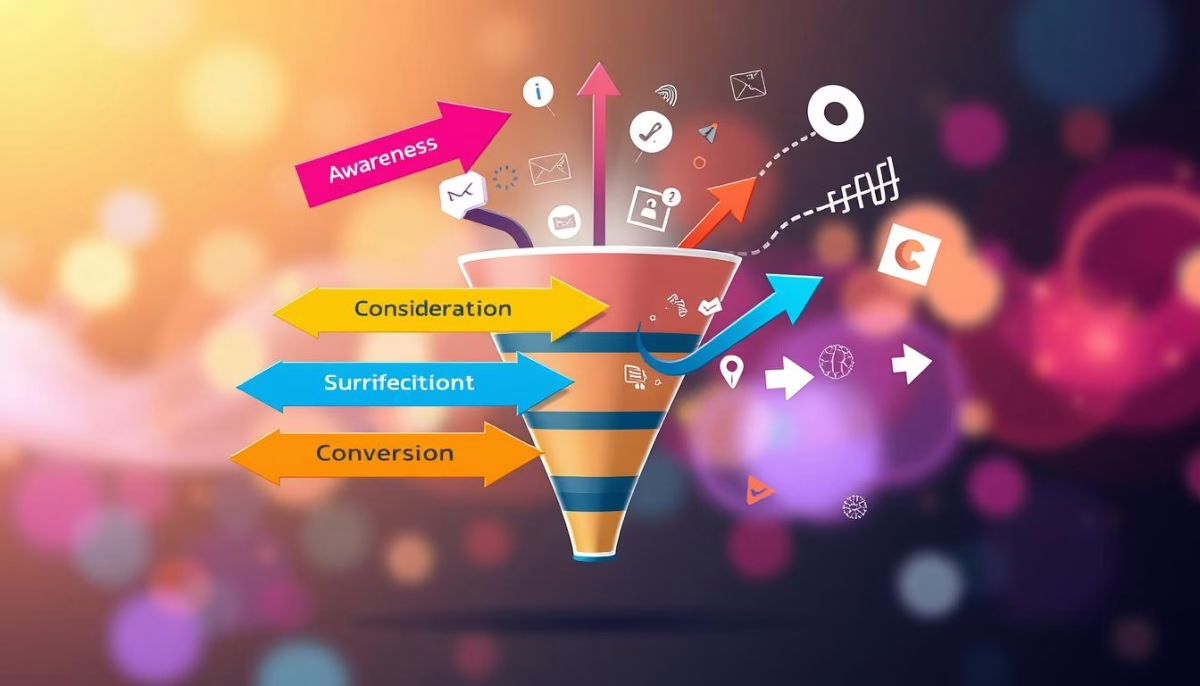
Content plays a vital role in guiding prospects through the marketing funnel. By creating and distributing strategic content, we can effectively attract, engage, and convert leads into loyal customers. Let’s explore the key types of content for each stage of the marketing funnel and how to effectively distribute your content.
Types of Content for Each Stage
At the awareness stage, our goal is to attract potential customers and increase brand visibility. Effective content for this stage includes blog posts, social media content, videos, and educational resources that address the common pain points and questions of our target audience.
As prospects move to the consideration stage, we need to provide more in-depth content to nurture their interest. This can include whitepapers, webinars, case studies, and product comparisons that showcase our expertise and the value we can offer.
Finally, in the decision stage, we should focus on content that helps prospects make a purchase decision. This may include product demos, customer testimonials, free trials, and content that directly addresses any remaining objections or concerns.
How to Distribute Your Content
- Leverage social media platforms to share your content and engage with your audience.
- Utilize email marketing to deliver valuable content directly to your leads’ inboxes.
- Invest in paid advertising, such as social media ads or search engine marketing, to amplify your content’s reach.
- Optimize your website and blog for search engines to drive organic traffic to your content.
- Collaborate with industry influencers or partners to cross-promote your content.
By aligning your content marketing efforts with the different stages of the marketing funnel and employing a strategic content distribution strategy, you can effectively nurture leads and guide them towards conversion. This approach can be a powerful tool in your content marketing arsenal.
Social Media and Marketing Funnels
In today’s digital landscape, social media platforms have become essential tools for small businesses looking to grow their customer base and drive sales. By integrating social media into your marketing funnel, you can effectively increase brand awareness, foster community building, and guide prospects through the buyer’s journey.
Using Social Platforms Effectively
To maximize the impact of social media within your marketing funnel, it’s crucial to create platform-specific content that resonates with your target audience. Leverage features like Instagram Stories, Facebook Live, and LinkedIn articles to showcase your expertise, products, and services. By engaging with your followers through comments, direct messages, and user-generated content campaigns, you can build meaningful connections and foster loyalty.
Utilize social media advertising to target specific audience segments and retarget website visitors. This strategic approach can help you reach new potential customers and nurture existing leads through the different stages of the funnel.
Building Engagement to Move Prospects Through the Funnel
- Establish a strong social media presence to increase brand awareness and attract new prospects.
- Engage with your audience by responding to comments, sharing user-generated content, and hosting interactive events to foster community building.
- Share valuable, educational content that positions your business as an industry expert and helps move prospects through the consideration and decision stages.
- Utilize social media analytics to track engagement, measure the effectiveness of your campaigns, and optimize your social media marketing efforts.
By leveraging the power of social media, you can create a cohesive and effective marketing funnel that drives sustainable growth for your small business.
Case Studies: Successful Marketing Funnels
Exploring real-world examples can provide invaluable insights into crafting effective marketing funnels. Let’s dive into some success stories from small businesses that have leveraged strategic funnel tactics to drive remarkable growth.
Examples from Small Businesses
A local bakery increased their online orders by 300% by implementing a targeted social media marketing funnel. They created mouth-watering content, offered limited-time promotions, and fostered strong customer relationships to keep their audience engaged and motivated to convert.
In the B2B software space, a company doubled their conversion rate by creating personalized email sequences based on prospect behavior. By understanding their target audience’s pain points and tailoring their messaging accordingly, they were able to guide leads seamlessly through the funnel.
Lessons Learned from Real Scenarios
These case studies highlight the importance of understanding your audience, creating valuable content at each stage of the funnel, consistently testing and optimizing your strategies, and focusing on post-purchase customer relationships to drive repeat business and referrals. By applying these lessons, small businesses can unlock the full potential of their marketing funnels and achieve remarkable success stories of their own.
FAQ
What are marketing funnels?
Why are marketing funnels important for businesses?
FAQ
What are marketing funnels?
Marketing funnels are a series of stages that guide prospects to become customers, ranging from the first interaction to the purchase decision. They help businesses prioritize and execute productive marketing strategies, streamline customer journeys, track analytics, identify improvement areas, define sales strategies, reduce costs, and increase revenues.
Why are marketing funnels important for businesses?
Businesses can lose up to
FAQ
What are marketing funnels?
Marketing funnels are a series of stages that guide prospects to become customers, ranging from the first interaction to the purchase decision. They help businesses prioritize and execute productive marketing strategies, streamline customer journeys, track analytics, identify improvement areas, define sales strategies, reduce costs, and increase revenues.
Why are marketing funnels important for businesses?
Businesses can lose up to $1.6 trillion per year when customers leave them, emphasizing the importance of effective funnels. Marketing funnels map out the journey of potential customers from brand awareness to purchase, helping small businesses cut through digital noise, target ideal customers, manage budgets efficiently, gain customer insights, improve conversion rates, and build lasting relationships.
What are the stages of a marketing funnel?
The marketing funnel typically consists of four primary stages: Awareness, Interest, Desire, and Action (AIDA). The Awareness stage focuses on brand discovery, the Interest stage involves prospects learning more about the brand and products, the Desire/Decision stage sees prospects comparing options and getting ready to buy, and the Action stage is where the purchase is made.
How can you create an effective marketing funnel?
To create an effective marketing funnel, start by defining the problem you want to solve and understanding your audience’s demographics, needs, and pain points. Set clear goals for each funnel stage, create a compelling landing page, develop preliminary offers, and use targeted marketing techniques to guide customers through the buying process. Continually refine your approach based on customer data and feedback.
How do you analyze and optimize your marketing funnel?
Analyzing your marketing funnel is crucial for optimization. Key metrics to track include conversion rates at each stage, customer acquisition cost, lifetime value, and engagement rates. Utilize tools like Google Analytics, CRM software, and heat mapping tools to gather and interpret data. Pay attention to where prospects drop off in the funnel and identify bottlenecks. Use A/B testing to compare different elements and improve performance. Regularly review and adjust your funnel based on insights gained from analysis.
What are some common mistakes in marketing funnels?
Common mistakes include ignoring the target audience by not tailoring content and offers to their specific needs and preferences, lack of clear messaging, neglecting to nurture leads after initial contact, having a complicated or lengthy sales process, failing to optimize for mobile users, and not aligning marketing and sales teams.
How can you optimize your marketing funnel?
To optimize your marketing funnel, focus on creating personalized experiences at each stage, use data-driven insights to refine your targeting and messaging, implement retargeting strategies, streamline the checkout process, utilize A/B testing, and continuously gather and analyze customer feedback to identify areas for improvement. Develop a strong post-purchase nurturing strategy to increase customer lifetime value and encourage referrals.
What role does content play in a marketing funnel?
Content plays a crucial role in guiding prospects through the marketing funnel. For the awareness stage, use blog posts, social media content, and videos to attract attention. In the interest stage, offer more in-depth content like whitepapers, webinars, and case studies. For the decision stage, provide product comparisons, customer testimonials, and free trials. Distribute content through various channels including social media, email marketing, and paid advertising.
How can social media platforms be used in marketing funnels?
Social media platforms are powerful tools for marketing funnels. Use them to increase brand awareness, engage with prospects, and drive traffic to your website. Create platform-specific content that resonates with your target audience, utilize features like Stories and Live, engage with followers, and use social media advertising to target specific audience segments and retarget website visitors. Build a community around your brand to foster loyalty and encourage word-of-mouth marketing.
Can you provide examples of successful marketing funnel case studies?
Examining successful marketing funnel case studies from small businesses can provide insights and inspiration. For example, a local bakery increased online orders by 300% by implementing a targeted social media funnel with mouth-watering content and limited-time offers. A B2B software company doubled their conversion rate by creating personalized email sequences based on prospect behavior. Key lessons include the importance of understanding your audience, creating valuable content at each funnel stage, consistently testing and optimizing, and focusing on post-purchase customer relationships to drive repeat business and referrals.
.6 trillion per year when customers leave them, emphasizing the importance of effective funnels. Marketing funnels map out the journey of potential customers from brand awareness to purchase, helping small businesses cut through digital noise, target ideal customers, manage budgets efficiently, gain customer insights, improve conversion rates, and build lasting relationships.
What are the stages of a marketing funnel?
The marketing funnel typically consists of four primary stages: Awareness, Interest, Desire, and Action (AIDA). The Awareness stage focuses on brand discovery, the Interest stage involves prospects learning more about the brand and products, the Desire/Decision stage sees prospects comparing options and getting ready to buy, and the Action stage is where the purchase is made.
How can you create an effective marketing funnel?
To create an effective marketing funnel, start by defining the problem you want to solve and understanding your audience’s demographics, needs, and pain points. Set clear goals for each funnel stage, create a compelling landing page, develop preliminary offers, and use targeted marketing techniques to guide customers through the buying process. Continually refine your approach based on customer data and feedback.
How do you analyze and optimize your marketing funnel?
Analyzing your marketing funnel is crucial for optimization. Key metrics to track include conversion rates at each stage, customer acquisition cost, lifetime value, and engagement rates. Utilize tools like Google Analytics, CRM software, and heat mapping tools to gather and interpret data. Pay attention to where prospects drop off in the funnel and identify bottlenecks. Use A/B testing to compare different elements and improve performance. Regularly review and adjust your funnel based on insights gained from analysis.
What are some common mistakes in marketing funnels?
Common mistakes include ignoring the target audience by not tailoring content and offers to their specific needs and preferences, lack of clear messaging, neglecting to nurture leads after initial contact, having a complicated or lengthy sales process, failing to optimize for mobile users, and not aligning marketing and sales teams.
How can you optimize your marketing funnel?
To optimize your marketing funnel, focus on creating personalized experiences at each stage, use data-driven insights to refine your targeting and messaging, implement retargeting strategies, streamline the checkout process, utilize A/B testing, and continuously gather and analyze customer feedback to identify areas for improvement. Develop a strong post-purchase nurturing strategy to increase customer lifetime value and encourage referrals.
What role does content play in a marketing funnel?
Content plays a crucial role in guiding prospects through the marketing funnel. For the awareness stage, use blog posts, social media content, and videos to attract attention. In the interest stage, offer more in-depth content like whitepapers, webinars, and case studies. For the decision stage, provide product comparisons, customer testimonials, and free trials. Distribute content through various channels including social media, email marketing, and paid advertising.
How can social media platforms be used in marketing funnels?
Social media platforms are powerful tools for marketing funnels. Use them to increase brand awareness, engage with prospects, and drive traffic to your website. Create platform-specific content that resonates with your target audience, utilize features like Stories and Live, engage with followers, and use social media advertising to target specific audience segments and retarget website visitors. Build a community around your brand to foster loyalty and encourage word-of-mouth marketing.
Can you provide examples of successful marketing funnel case studies?
Examining successful marketing funnel case studies from small businesses can provide insights and inspiration. For example, a local bakery increased online orders by 300% by implementing a targeted social media funnel with mouth-watering content and limited-time offers. A B2B software company doubled their conversion rate by creating personalized email sequences based on prospect behavior. Key lessons include the importance of understanding your audience, creating valuable content at each funnel stage, consistently testing and optimizing, and focusing on post-purchase customer relationships to drive repeat business and referrals.