

How AI is Transforming Graphic Design for Small Businesses

How to Create a Content Calendar to Stay Organized and Consistent
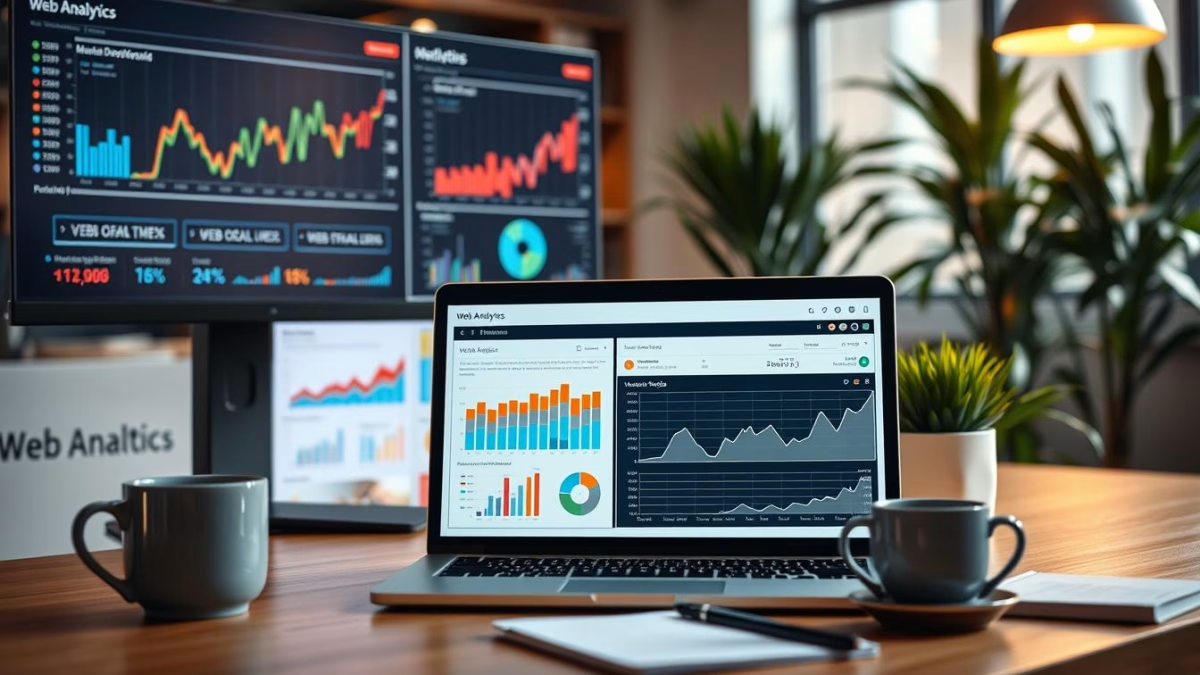
As small business owners, we know that staying on top of our online performance is crucial for growth and success. Website analytics are the key to unlocking valuable insights that can help us make data-driven decisions to enhance our sales and overall business performance. By analyzing website traffic, user behavior, and marketing effectiveness, we can tailor our strategies, improve the user experience, and ultimately drive more sales and revenue for our small businesses.
Tools like Google Analytics offer a comprehensive suite of data and metrics that provide a clear picture of how our websites are performing. From audience demographics to traffic sources and user engagement, this information empowers us to understand our target market, identify high-performing content, and optimize our marketing efforts for maximum impact.
Key Takeaways
- Website analytics are essential for small business growth, providing valuable insights into visitor behavior and marketing effectiveness.
- Tools like Google Analytics offer a wealth of data on audience demographics, traffic sources, and user engagement.
- Analyzing this information helps small businesses tailor their strategies, improve user experience, and make data-driven decisions to boost sales.
- Understanding website traffic analysis is crucial for small business owners to stay competitive and drive sales growth.
- Leveraging website analytics can lead to a 10-20% annual growth in traffic and conversions for small businesses.
Why Analyzing Website Traffic Matters for Small Businesses
As a small business owner, understanding your website’s traffic is crucial for driving growth and success. By analyzing the key metrics and insights provided by website analytics, you can unlock valuable customer insights, refine your audience targeting, and enhance user engagement – all of which are essential for boosting sales and revenue.
The Role of Traffic Analysis in Growth
Comprehensive website traffic analysis helps small businesses identify areas of strength and weakness within their online presence. This information can then be leveraged to optimize your website’s performance, improve search engine visibility, and measure the impact of your marketing campaigns. By understanding the sources of your website traffic and how visitors interact with your content, you can make informed decisions to drive growth and expansion.
Identifying Your Target Audience
Analytics tools provide a wealth of data on your website visitors, including their demographics, interests, and behaviors. This customer insights empowers you to create more effective audience targeting strategies, ensuring your products, services, and marketing messages resonate with the right people. By tailoring your approach to your target audience, you can cultivate deeper relationships and increase the likelihood of conversions.
Understanding User Behavior
Analyzing website traffic data can reveal valuable insights into how visitors interact with your website, from the pages they view to the actions they take. This user engagement information can inform improvements to your website’s design, content, and overall user experience, helping to reduce bounce rates and encourage deeper exploration of your offerings.
Key Metrics to Monitor for Effective Analysis
As small business owners, we understand the importance of making data-driven decisions to drive growth. When it comes to website analytics, there are several key metrics we should monitor to gain valuable insights and optimize our online presence. Let’s dive into the essential metrics that can help us track performance, engagement, and conversion optimization.
Page Views and Unique Visitors
Page views and unique visitors are fundamental metrics that provide an overview of the traffic to our website. Page views measure the total number of times a page on our site is viewed, while unique visitors represent the number of individual users who have accessed our website during a specific timeframe. These metrics give us a sense of the overall reach and engagement of our online content.
Bounce Rate and Its Implications
The bounce rate is another crucial metric to consider. It represents the percentage of visitors who leave our website after viewing only one page. A high bounce rate may indicate that our content is not meeting the needs of our target audience or that our website’s user experience could be improved. By monitoring bounce rate, we can identify areas for optimization and ensure our visitors are engaged and finding value in our online presence.
Conversion Rate Optimization
Finally, conversion rate optimization is a critical component of effective website analysis. Conversion rate measures the percentage of visitors who take a desired action, such as making a purchase, filling out a form, or subscribing to our newsletter. By analyzing our conversion rates, we can identify opportunities to enhance the customer journey and drive more impactful results for our small business.
By consistently tracking these key metrics, we can gain valuable insights into our website’s performance, user engagement, and conversion optimization opportunities. This data-driven approach empowers us to make informed decisions and continuously improve our online strategies, ultimately driving sustainable growth for our small business.
Tools We Can Use for Website Traffic Analysis
As small business owners, understanding our website’s performance is crucial for driving growth and making informed decisions. Fortunately, there are a variety of powerful analytics tools at our fingertips that can provide valuable insights into our traffic, user behavior, and campaign effectiveness. Let’s explore some of the top options.
Google Analytics Overview
Google Analytics is the industry-leading, free web analytics platform used by millions of websites worldwide. This comprehensive tool offers a wealth of data, including traffic volume, user demographics, traffic sources, and conversion rates. By leveraging Google Analytics, we can gain a deep understanding of our audience and make data-driven decisions to optimize our online presence.
Alternative Analytics Tools
While Google Analytics is the go-to choice for many, there are several other analytics tools worth considering. MyKinsta Analytics provides detailed performance metrics, Semrush offers in-depth competitor analysis, and Similarweb tracks real-time market trends. For WordPress users, MonsterInsights simplifies the integration of Google Analytics, making it a user-friendly option.
Social Media Analytics
Alongside website analytics, tracking our social media performance is equally important. Most major social platforms, such as Facebook, Twitter, and LinkedIn, offer built-in analytics tools that provide insights into our content’s reach, engagement, and audience demographics. By aligning our website and social media analytics, we can gain a comprehensive understanding of our online presence and optimize our social media insights accordingly.
By leveraging a combination of these analytics tools and data interpretation techniques, we can uncover valuable insights that empower us to make strategic decisions, enhance our online presence, and ultimately drive growth for our small businesses.
Setting Up Google Analytics for Your Small Business
As a small business owner, understanding your website’s performance is crucial for driving growth. One powerful tool that can provide invaluable insights is Google Analytics. Setting up Google Analytics for your small business involves a few simple steps that can unlock a wealth of data to improve your online presence and boost sales.
Creating a Google Analytics Account
The first step is to create a Google Analytics account. This can be done by visiting the Google Analytics website and signing up. During the setup process, you’ll be asked to provide some basic information about your business, such as your website URL and industry.
Installing Tracking Code on Your Website
Once your account is set up, you’ll need to install the Google Analytics tracking code on your website. This code should be placed in the header section of every page you want to track. The tracking code is unique to your account and will allow Google Analytics to collect data on your website’s traffic and user behavior.
Customizing Your Dashboard
After the tracking code is in place, you can start customizing your Google Analytics dashboard. This includes setting up goals, filters, and linking your account to other Google services like Google Ads and Search Console. By configuring your dashboard, you can gain a more comprehensive understanding of your website’s performance and tailor your analysis to your specific business needs.
Investing the time to properly set up Google Analytics for your small business can provide invaluable insights into your website’s traffic, user behavior, and marketing effectiveness. With these insights, you can make informed decisions to optimize your online presence and drive sales growth.
Interpreting Data from Your Analytics
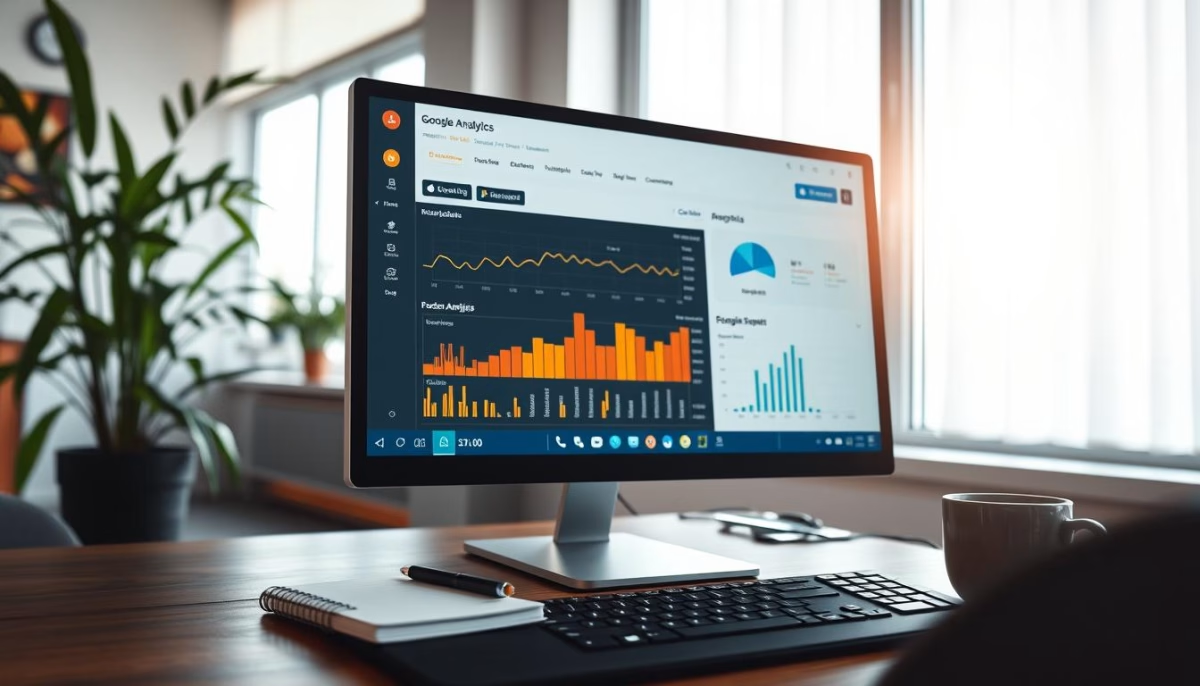
Embracing data interpretation is key to unlocking the true potential of your website’s traffic analysis. By understanding the sources of your traffic, analyzing user flow, and segmenting your data, you can gain invaluable insights that will drive your small business growth.
Understanding Traffic Sources
Knowing where your website visitors come from is essential for strategic decision-making. Data interpretation of your traffic sources reveals how customers find your site, whether it’s through organic search, direct visits, referrals, or paid advertising. This information helps you optimize your marketing efforts and allocate resources effectively.
Analyzing User Flow
Traffic analysis of user flow provides a glimpse into how your visitors navigate your website. By understanding the paths they take, you can identify areas for improvement, streamline the user experience, and ensure your content is resonating with your target audience.
Segmenting Your Data for Insights
- Dive deeper into your user behavior insights by segmenting your data based on demographics, geographic location, device type, and more. This level of granularity enables you to tailor your strategies to specific customer groups, leading to better-informed decisions and higher customer satisfaction.
By leveraging the power of data interpretation, traffic analysis, and user behavior insights, you can make informed decisions that drive the growth of your small business. Embrace the insights from your website analytics and unlock the full potential of your online presence.
Making Informed Decisions from Traffic Data
As a small business owner, the insights gleaned from website traffic data can be invaluable in driving data-driven decisions. By analyzing this information, we can identify high-performing content, refine our marketing strategies, and enhance the overall user experience on our site.
Identifying High-Performing Content
One of the key benefits of traffic analysis is the ability to pinpoint the content that resonates most with our audience. We can examine metrics such as page views, unique visitors, and engagement rates to determine which blog posts, product pages, or other content types are generating the most interest and conversions. Armed with this knowledge, we can double down on creating more of the content that our customers love, optimizing it for content optimization and driving even better results.
Adjusting Marketing Strategies
The insights gleaned from our website traffic data can also be instrumental in marketing strategy refinement. By understanding the sources of our website traffic, we can allocate resources more effectively, focusing on the channels that are delivering the most qualified leads and driving the highest conversions. Whether it’s social media, email campaigns, or search engine optimization, the data will guide us in making informed decisions about where to invest our marketing efforts.
Enhancing User Experience
Analyzing user behavior through metrics like bounce rate, session duration, and exit pages can reveal areas for improvement in the user experience. If we notice high bounce rates on certain pages or low engagement on specific content, it may signal the need to optimize the layout, content, or overall user flow. By addressing these data-driven decisions, we can enhance the customer journey and further improve the effectiveness of our online presence.
By leveraging the wealth of data available through website analytics, we can make more informed, data-driven decisions that drive real growth and success for our small business.
Using Website Traffic Insights to Improve SEO
As a small business owner, staying on top of your website’s performance is crucial for driving sustainable growth. One powerful way to do this is by leveraging the insights from your website traffic data to enhance your search engine optimization (SEO) efforts. By understanding the nuances between organic and paid traffic, implementing smart keyword optimization strategies, and focusing on building high-quality backlinks, you can significantly boost your visibility in organic search results.
Organic vs. Paid Traffic: Striking the Right Balance
While paid advertising can provide a quick influx of traffic, it’s your organic search presence that will truly set you apart in the long run. By analyzing the sources of your website traffic, you can determine the effectiveness of your SEO strategies and make informed decisions about where to allocate your resources. Identifying the pages that are driving the most organic search traffic can help you replicate and build upon those successes.
Keyword Optimization: The Foundation of Effective SEO
Thorough keyword research is the cornerstone of any successful SEO strategy. By understanding the terms and phrases your target audience is searching for, you can optimize your content to rank higher in search engine results. Regularly reviewing your website’s top-performing pages and the keywords they’re ranking for can provide valuable insights to guide your link building efforts and content creation.
The Power of High-Quality Backlinks
In the ever-evolving world of search engine algorithms, the importance of high-quality backlinks cannot be overstated. Analyzing the backlink profiles of your top-ranking competitors can help you identify opportunities to build relationships and earn valuable links that can significantly boost your own search engine visibility. Focusing on creating shareable, authoritative content and leveraging influencer relationships can be a game-changer for your SEO success.
By combining your website traffic insights with strategic SEO tactics, you can unlock the full potential of your online presence and drive sustainable growth for your small business. Stay vigilant, stay informed, and let the data guide your path to SEO success.
Driving Traffic Through Social Media Engagement
In today’s digital landscape, social media has become a powerful tool for small businesses to drive traffic to their websites. By harnessing the power of social media marketing, you can tap into vast audiences and foster meaningful audience engagement that translates into increased website visitors and potential sales.
Connecting Analytics with Social Media Metrics
To effectively drive traffic through social media, it’s crucial to connect your website analytics with your social media metrics. This allows you to understand which platforms and content types resonate best with your target audience. By analyzing your social media performance data, you can identify your most successful posts, the best times to engage your followers, and the types of content that generate the highest levels of engagement.
Developing Shareable Content
Crafting shareable content is a fundamental strategy for driving traffic from social media. Leveraging insights from your analytics, create visually appealing, informative, and entertaining content that your audience is likely to engage with and share across their networks. This could include eye-catching visuals, educational tutorials, or thought-provoking discussions related to your products or services.
Engaging with Your Audience on Different Platforms
To maximize the impact of your social media marketing efforts, it’s essential to engage with your audience across different platforms. Each social network has its own unique characteristics and user behavior, so tailor your approach accordingly. For instance, Instagram may be better suited for visually-driven content, while LinkedIn could be more effective for professional networking and industry-specific discussions.
By consistently monitoring your social media analytics, refining your content strategy, and actively engaging with your audience, you can harness the power of social media to drive significant traffic to your small business website, ultimately fueling your growth and sales.

How to Leverage Email Marketing in Traffic Analysis
As a small business owner, you understand the importance of driving website traffic to boost sales. One powerful tool at your disposal is email marketing. By leveraging email campaign analytics, list segmentation, and personalized marketing, you can significantly improve the impact of your email efforts on overall website traffic.
Tracking Click-Through Rates
Monitoring the click-through rates of your email campaigns is crucial. This metric helps you understand how engaging and effective your email content is in driving people to your website. By analyzing click-through data, you can identify which subject lines, offers, and calls-to-action resonate most with your audience, enabling you to refine your email strategy for maximum impact.
Segmenting Your Email List
- Divide your email list into smaller, targeted groups based on subscriber behavior, preferences, or demographics.
- Tailoring your email content to these specific segments can significantly improve engagement and drive more traffic to your website.
- For example, you might create separate campaigns for new subscribers, loyal customers, and leads at different stages of the sales funnel.
Personalizing Content for Improved Engagement
Personalization is a powerful way to enhance email engagement and drive more traffic to your website. By using subscriber data, such as their name, browsing history, or past purchases, you can create highly relevant and targeted email content that resonates with your audience. This personalized approach can lead to higher open rates, click-through rates, and ultimately, more website visitors.
Remember, the key to leveraging email marketing for traffic analysis is to continuously track your metrics, segment your email list, and personalize your content. By doing so, you can create a powerful feedback loop between your email campaigns and your website traffic, driving more qualified leads and sales for your small business.
A/B Testing: Optimizing Your Traffic
As a small business owner, you’re always looking for ways to boost your website’s performance and drive more targeted traffic. One powerful tool in your arsenal is A/B testing – a method that allows you to compare different versions of your web pages and determine which one performs better. By understanding A/B testing concepts, measuring success, and implementing learnings, you can take your conversion rate optimization efforts to new heights.
Understanding A/B Testing Concepts
At its core, A/B testing involves creating two versions of a web page or feature, and then comparing their performance to see which one resonates better with your audience. This could be as simple as testing different headlines, call-to-action buttons, or even the layout of your product pages. The key is to focus on specific elements that you believe could impact your conversion rate optimization, split testing, and performance improvement.
Measuring Success with A/B Tests
Effective A/B testing requires a clear understanding of your key metrics. Keep a close eye on factors like conversion rates, bounce rates, and time spent on site. By analyzing these conversion rate optimization, split testing, and performance improvement metrics, you can determine which version of your page is truly resonating with your target audience.
Implementing Learnings for Future Campaigns
The real magic happens when you take the insights gained from your A/B tests and apply them to future website optimizations and marketing campaigns. Whether it’s adjusting your messaging, refining your calls-to-action, or enhancing the user experience, the learnings from your conversion rate optimization, split testing, and performance improvement efforts can help you continually improve your online presence and drive more qualified traffic to your small business.
By embracing A/B testing as part of your small business strategy, you’ll be well on your way to making data-driven decisions that optimize your website traffic and boost your overall sales performance. So, let’s get started on your A/B testing journey and take your business to new heights!
The Importance of Regular Traffic Analysis
In the dynamic world of digital marketing, regular traffic analysis is a crucial component for small businesses to maintain and improve their website performance. By consistently monitoring key metrics, we can uncover valuable insights that drive sales growth and keep our online presence competitive.
Setting a Consistent Review Schedule
Establishing a regular review schedule for your website traffic data is essential. Whether it’s weekly, monthly, or quarterly, commit to consistently analyzing your metrics to identify trends, detect issues, and make informed decisions. This consistent approach ensures you stay on top of changes and can promptly address any areas of concern.
Adapting to Changes in User Behavior
User behavior is constantly evolving, and regular data monitoring allows us to adapt our strategies accordingly. By analyzing user behavior analysis, we can uncover shifts in how our target audience interacts with our website, enabling us to refine our content, optimize user experience, and align our offerings with their needs.
Keeping Up with Industry Trends
The digital landscape is ever-changing, and staying informed about industry benchmarking is crucial for maintaining a competitive edge. Regular traffic analysis allows us to compare our website’s performance against industry standards, identify areas for improvement, and implement best practices that drive sales growth.
By embracing the power of consistent traffic analysis, we can make data-driven decisions, optimize our online presence, and propel our small business towards greater success. Staying on top of these crucial metrics is the key to unlocking the full potential of our digital strategy.
Conclusion: Partnering with Solved for Sales Growth
As a small business owner, effectively leveraging website analytics can be a game-changer in driving sales growth. By partnering with Solved, we can harness the power of customized strategy development and ongoing support for analytics to take your online presence to new heights.
Customized Strategy Development
Solved’s team of experts will work closely with you to create a tailored strategy that aligns with your unique business goals and target audience. We’ll help you focus on the most impactful metrics and identify the strategies that will deliver the best results for your sales growth.
Ongoing Support for Analytics
With Solved as your analytics consulting partner, you’ll receive expert guidance in interpreting your website traffic data, implementing changes, and continuously optimizing your online presence. Our team will be by your side, providing the insights and support you need to transform your data into actionable insights that drive sustainable business growth.