
Understanding Website Analytics to Boost Small Business Sales

Beginner’s Guide to Editing Professional Videos for Your Business
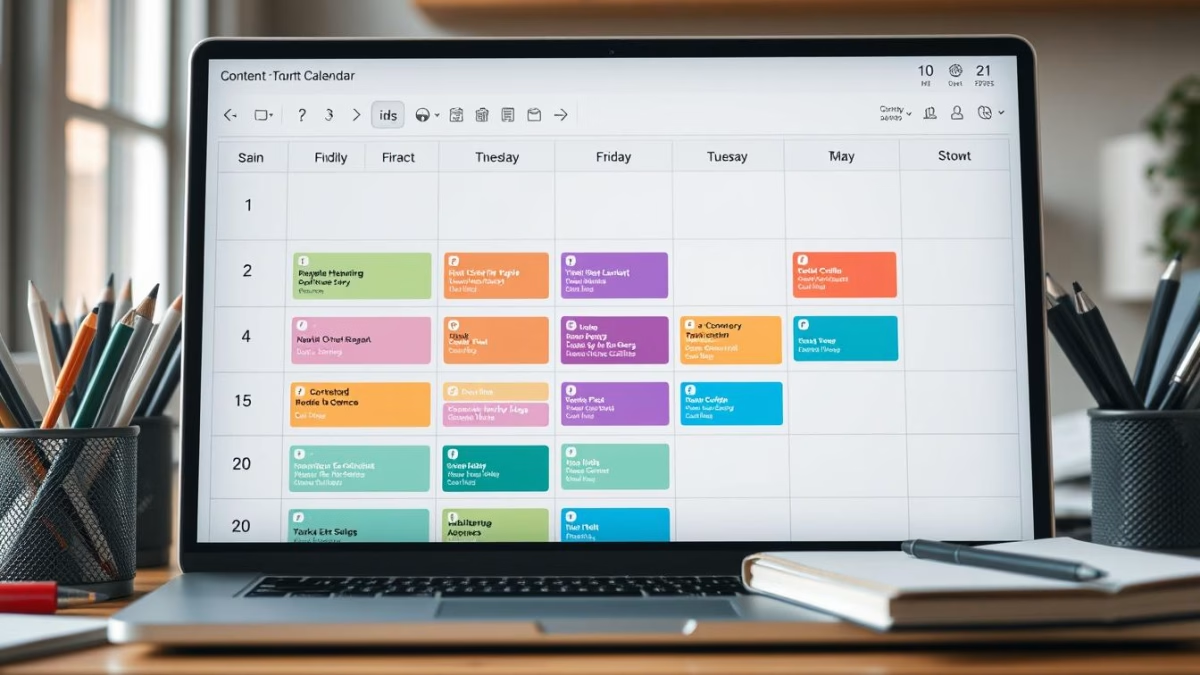
As a small business owner, staying organized and consistent with your content creation can be a real challenge. That’s where a content calendar comes into play – it’s a game-changer when it comes to streamlining your marketing efforts and keeping your audience engaged. With a well-crafted content calendar, we can save time, maintain a steady publishing schedule, and focus on crafting high-quality content that resonates with our target audience.
A content calendar is a crucial tool for coordinating your content creation across multiple channels, dividing up the workload, and maximizing your limited resources. By planning ahead, we can reduce the time spent on deciding what to write and instead channel our efforts into the actual creation process. This strategic approach not only boosts efficiency but also ensures a consistent brand voice and messaging across all of our marketing touchpoints.
Key Takeaways
- A content calendar helps you stay organized and consistent with your content creation.
- It allows you to plan ahead, save time, and focus on creating high-quality content.
- A content calendar can improve the efficiency of your marketing efforts by coordinating content across multiple channels.
- With a well-crafted content calendar, you can maintain a steady publishing schedule and a consistent brand voice.
- Leveraging a content calendar can enhance your small business growth by optimizing your content planning and marketing strategy.
1. Understanding the Importance of a Content Calendar
As content creators and marketing professionals, we understand the significance of a well-crafted content calendar. This strategic document serves as a detailed plan for upcoming posts across all social channels, meticulously organized by publish date and time. It encompasses essential information such as links, tags, mentions, copy, and media, ensuring our content organization, marketing efficiency, and brand messaging remain consistent.
What is a Content Calendar?
A content calendar is a comprehensive tool that allows us to map out our content strategy in advance. It helps us visualize and coordinate the various components of our marketing efforts, ensuring a cohesive and streamlined approach to content creation and distribution.
Benefits for Small Businesses
For small businesses, a content calendar is an invaluable asset. It enables us to save time, widen our team’s bandwidth, and maintain a consistent posting schedule across all platforms. By planning our content in advance, we can also ensure quality assurance and seamless cross-functional collaboration within our organization.
How It Impacts Consistency
Consistency is the cornerstone of successful content marketing, and a content calendar plays a crucial role in maintaining it. By planning our content in advance, we can prioritize quality over quantity, build a consistent brand voice, and maintain an active presence across various platforms, ultimately enhancing our overall content organization, marketing efficiency, and brand messaging.
2. Defining Your Marketing Goals
As we embark on our content creation journey, it’s crucial to first define our marketing objectives. These goals will serve as the foundation for our content strategy, guiding us in creating meaningful, impactful content that aligns with our business priorities. By setting SMART goals – Specific, Measurable, Achievable, Relevant, and Time-bound – we can ensure our marketing objectives, goal setting, and content strategy work in harmony to drive our success.
Aligning Content with Objectives
Once we have established our marketing goals, the next step is to align our content with these objectives. Every piece of content we create should serve a specific purpose and contribute to the overall success of our business. This approach helps us avoid wasting resources on content without a clear purpose and ensures that our team members understand the expected results of each project or item on the content calendar.
By adopting this strategic mindset, we can leverage our content strategy to drive measurable progress towards our marketing objectives and achieve our desired goal setting outcomes. This alignment not only optimizes our content efforts but also fosters a sense of purpose and accountability within our team.
3. Identifying Your Target Audience
As content creators, understanding our audience is paramount. By delving deeper into audience analysis, we can uncover valuable insights that inform our content targeting strategies. This involves creating detailed audience personas that represent our ideal customers, their needs, and their preferences.
Creating Audience Personas
Crafting audience personas is a powerful way to visualize and empathize with our target demographic. We’ll conduct thorough research to gather information on their demographics, interests, pain points, and online behaviors. This allows us to tailor our content to address their specific needs and preferences, ultimately enhancing its relevance and impact.
Understanding Their Needs and Preferences
Going beyond basic demographics, we’ll also explore our audience’s content consumption habits. What channels do they frequent? What types of content do they engage with the most? Answering these questions helps us determine the optimal content formats and distribution channels to reach them effectively. By aligning our content with their preferences, we can foster deeper connections and better serve their informational needs.

Remember, audience analysis is an ongoing process. As our business and industry evolve, we must regularly revisit and refine our audience personas to ensure our content targeting remains relevant and impactful. By continuously understanding our customers’ preferences, we can create a content strategy that truly resonates and drives meaningful engagement.
4. Brainstorming Content Ideas
Crafting a captivating content calendar starts with brainstorming engaging ideas. We believe in involving the entire team to generate a diverse array of content ideas that resonate with our target audience. By tapping into the collective creativity of our colleagues, we can uncover fresh perspectives and innovative concepts to keep our content calendar vibrant and relevant.
Leveraging Team Collaboration
Brainstorming sessions with our team are a valuable way to stimulate content ideation. Techniques like brain writing, content brainstorming matrices, and 100 questions encourage participation and allow everyone to contribute equally without judgment. These collaborative exercises foster an environment where new ideas can flourish.
Tapping into Inspiration
To stay ahead of the curve, we also utilize various tools and resources to spark content ideation. We closely monitor industry news, competitor analysis, and social media trends to identify emerging topics and themes that resonate with our audience. Additionally, we embrace unconventional brainstorming methods, such as drawing and AI-enabled ideation, to uncover unique content angles.
Integrating Seasonal and Trend-Based Content
Keeping our content calendar fresh and timely is essential. We strategically incorporate seasonal marketing and trend-based content to ensure our audience remains engaged. From theme posts and serial content to seasonal greetings and event coverage, we weave these elements into our planning to maintain a well-rounded and dynamic content lineup.
By harnessing the power of team collaboration, leveraging diverse inspiration sources, and integrating seasonal and trend-based ideas, we can populate our content calendar with a diverse range of engaging and relevant content. This holistic approach allows us to stay organized, consistent, and ahead of the curve in our content marketing efforts.
5. Choosing the Right Format
When it comes to creating a captivating content strategy, the choice of format can make all the difference. As we navigate the diverse landscape of content formats, it’s essential to align our approach with the preferences and requirements of our target audience. After all, the success of our multi-platform strategy hinges on delivering content that resonates and engages.
Types of Content to Consider
From blog posts and social media updates to videos, infographics, and podcasts, the options for content formats are vast. Each format offers unique advantages and caters to different audience preferences. By considering a diverse range of content types, we can ensure our strategy remains fresh, dynamic, and appealing to our followers.
Balancing Various Formats
While social media posts may be the easiest to create and share, it’s crucial that we don’t neglect more comprehensive content formats like press releases, expert articles, and guest blogs. These longer-form pieces not only showcase our expertise but also drive traffic to our website, where we can further engage our audience.
Planning for Different Platforms
Each social media platform has its own unique requirements and audience expectations. By tailoring our content formats to the specific needs of each platform, we can ensure our social media planning efforts yield maximum impact. Whether it’s bite-sized updates for Twitter or visually captivating content for Instagram, our content formats should be strategically adapted to the multi-platform strategy we’ve established.
6. Organizing Your Calendar
Maintaining a well-organized content calendar is essential for staying on top of your digital marketing efforts. We recommend utilizing tools and software that can help keep your ideas structured and facilitate smooth team collaboration. From Google Sheets to specialized social media management platforms, there are various solutions available to suit your business needs.
Tools and Software We Recommend
For managing your content calendar, consider using platforms like Asana, Trello, or even a simple Google Sheet. These tools allow you to visually organize your content ideas, assign tasks, and track the progress of your publishing schedule. Many also offer features like content scheduling, social media integration, and real-time team collaboration.
Establishing a Posting Schedule
When it comes to your posting frequency, it’s crucial to find a realistic schedule that you can consistently maintain. Analyze your audience engagement patterns and available resources to determine how often you can publish high-quality content. Aim for a balanced approach that keeps your readers engaged without overwhelming them.
Collaborating Across Teams
Effective team coordination is key to a successful content calendar. Provide visibility into your upcoming content plan, streamline communication, and align your efforts with organization-wide initiatives. This helps ensure everyone is on the same page and working towards a common goal, whether you’re managing a small team or a larger cross-functional group.
Remember, a well-designed content management tools and a strategic posting schedule can make a significant difference in your content marketing success. By staying organized and fostering collaboration, you can maintain a consistent and impactful online presence for your brand.

7. Scheduling and Publishing Content
Crafting a successful content calendar isn’t just about planning your posts – it’s also about strategically scheduling and publishing your content. By understanding the best times to post on different platforms and automating your social media updates, you can ensure your content reaches your audience when they’re most engaged.
Best Times to Post on Different Platforms
The optimal posting times vary across social media platforms, so it’s essential to research and analyze the data for each network you use. For example, Instagram posts perform best between 10 AM and 2 PM on Tuesdays and Wednesdays, while weekday mornings and early afternoons often yield the highest engagement on other platforms. Experiment with different times and analyze the results to determine the sweet spot for your audience.
Automating Social Media Posts
To maintain a consistent publishing schedule, utilize social media automation tools. These platforms, such as Buffer, Sprout Social, and Airtable, allow you to pre-schedule your content and publish it automatically, even during busy periods. This ensures your audience receives a steady stream of valuable content, helping to build brand awareness and engagement.
Remember, content scheduling and social media automation are powerful tools in your content marketing arsenal. By optimizing your posting times and automating your social media updates, you can maximize the impact of your content and stay organized, even as your business grows.
8. Measuring and Analyzing Performance
At Solved, we understand the importance of performance analytics in driving content optimization and data-driven marketing. By closely monitoring key metrics, we can effectively evaluate the success of our content strategy and make informed decisions to enhance its impact.
Metrics to Track
When it comes to measuring the performance of our content, we focus on a range of metrics, including engagement rates, reach, conversions, and audience growth. We utilize powerful analytics tools to gather comprehensive data on how our audience interacts with our content across various platforms.
Adjusting Content Based on Feedback
Regularly reviewing the performance metrics allows us to understand what content resonates best with our target audience. By identifying the most successful content types and themes, we can then adjust our content strategy to focus more on the elements that drive the highest engagement and conversions. This data-driven approach ensures that our content remains aligned with the evolving preferences of our audience.
Furthermore, we believe in the power of repurposing high-performing content in different formats or for various platforms. This allows us to maximize the impact of our most successful pieces and reach an even wider audience. Continuous monitoring and refinement of our content plan is essential to maintain our competitive edge and deliver consistently valuable experiences to our customers.
9. Getting Help From Solved
Partnering with Solved can significantly enhance your marketing strategy and drive business growth. Our team of experts offers comprehensive content strategy services tailored to the unique needs of your business. We understand the challenges of juggling multiple marketing channels and can provide innovative solutions to streamline your content creation process, ensuring consistency and quality across all platforms.
By collaborating with Solved, you’ll gain access to a wealth of expertise in crafting dynamic content strategies that deliver results without relying heavily on expensive advertising. Our specialists can help you identify the most effective platforms for your business, organize your content ideas efficiently, and develop a newsletter strategy to complement your content calendar. We’re committed to supporting your success and providing the tools and guidance you need to achieve your marketing goals.
Whether you’re looking to enhance your content calendar, optimize your social media presence, or explore new channels for business growth, Solved is your trusted partner. Let us leverage our marketing partnership experience and content strategy services to propel your business forward and unlock new opportunities for success.