

The Benefits of Video Marketing for Small Businesses

Understanding Marketing Funnels: A Guide for Small Business Owners
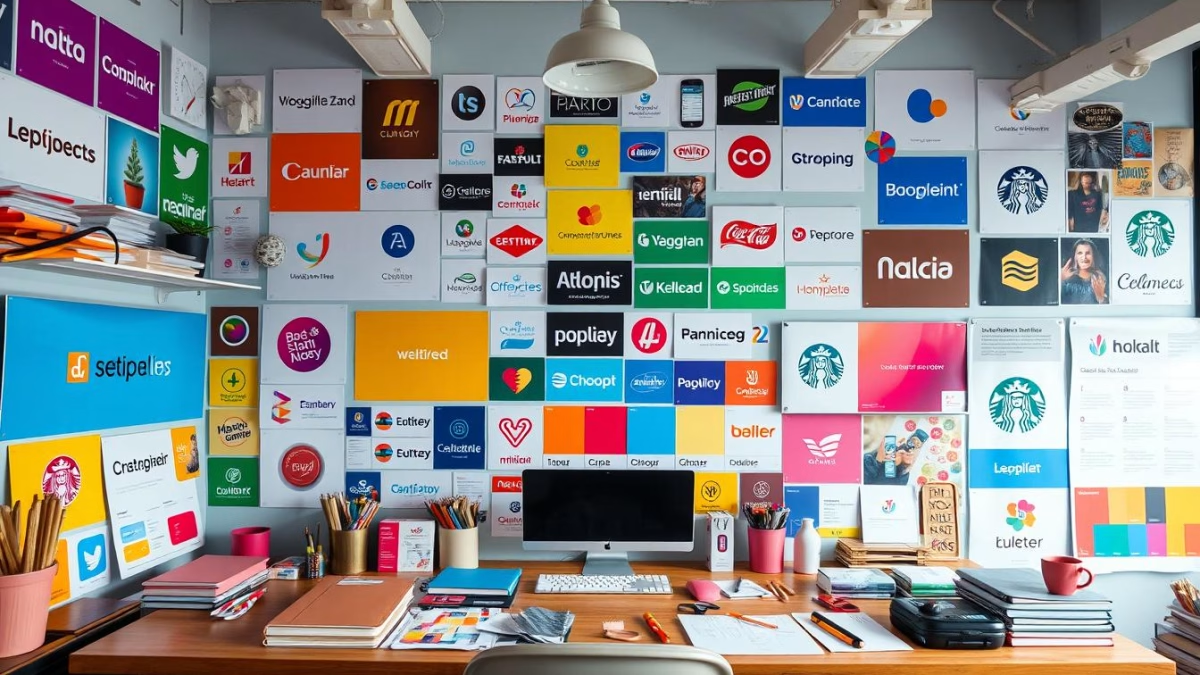
In today’s competitive landscape, building a strong and recognizable brand identity is crucial for businesses of all sizes. At the heart of this lies the power of graphic design. As visual beings, we are drawn to brands that captivate us with their logos, color schemes, typography, and imagery. These graphic elements work together to create a cohesive brand identity that resonates with our emotions and leaves a lasting impression.
Effective brand visuals not only enhance brand recognition but also foster customer loyalty. Research indicates that the most suitable color of a brand can improve brand recognition by up to 80%. Moreover, 71% of individuals are more likely to recommend a brand that creates an emotional connection with them. By skillfully leveraging the principles of graphic design and visual branding, businesses can differentiate themselves from their competitors and build a strong, memorable brand identity.
Key Takeaways
- Graphic design plays a crucial role in shaping a brand’s visual identity and personality.
- Effective brand visuals can enhance brand recognition and foster customer loyalty.
- Thoughtful use of color, typography, and imagery can create an emotional connection with the audience.
- A consistent and cohesive brand identity across all touchpoints is essential for building a strong brand.
- Collaborating with a professional graphic designer can help businesses create a visually compelling and impactful brand identity.
Understanding the Importance of Graphic Design in Branding
Graphic design is the fundamental building block for crafting a compelling brand identity. It’s the visual language that speaks volumes about a company’s values, personality, and unique offerings. In the world of branding, where first impressions are crucial, the right graphic design can make all the difference.
What is Graphic Design?
Graphic design is the art of creating visual content to communicate messages effectively. From logos and color palettes to typography and imagery, the elements of graphic design work together to establish a brand’s distinctive look and feel. These visual elements play a vital role in shaping how customers perceive and connect with a brand.
The Role of Visuals in Brand Perception
Studies show that people remember 65% of information when paired with relevant images, compared to only 10% without visuals. Visuals make a strong first impression, influencing how customers interpret and engage with a brand. Effective graphic design can evoke emotions, convey brand personality, and help customers remember a company.
Consistency is Key
Maintaining consistency in design across all brand touchpoints is crucial for building recognition and trust. Most successful brands choose two to three fonts for basic everyday use, and often derive their main colors directly from the company logo. This cohesive approach helps customers easily identify and connect with the brand, strengthening its visual identity.
By understanding the power of graphic design, businesses can cultivate a brand identity that resonates with their target audience and sets them apart in a crowded marketplace. The strategic use of visual elements can be a game-changer in driving brand loyalty and growth.
Key Elements of Graphic Design for Branding
Crafting a captivating brand identity goes beyond just a memorable logo. Graphic design plays a crucial role in shaping how your brand is perceived by your target audience. Let’s explore the key elements that can elevate your brand through effective visual storytelling.
Logos and Their Impact
A logo is often the first visual representation of a brand, needing to be unique, simple, and versatile. Statistics show that 75% of people recognize a brand by its logo, making it the main brand identifier. In fact, 50% of consumers are much more likely to engage with a company whose logo they easily recognize. On the flip side, 60% typically avoid companies with weird or unattractive logos, even if those companies have good reviews. The Coca-Cola logo, with its distinctive font, is a prime example, being recognized by around 94% of people.
Color Theory and Brand Recognition
Color psychology plays a significant role in branding, with different colors evoking specific emotions and associations. For example, blue often represents trust and professionalism, while red can evoke excitement. By carefully selecting a color palette that aligns with your brand’s personality, you can instantly communicate key brand values to your audience.
Typography’s Influence on Brand Personality
Typography goes beyond just brand fonts; it’s a powerful tool that can convey professionalism, creativity, or trustworthiness, complementing the overall brand design. Nearly 80% of people are willing to forgive a bad experience if they receive great customer service, and the use of appropriate typography can contribute to a positive brand perception.
Ultimately, the thoughtful integration of logo design, color palette, and brand fonts can elevate your brand’s visual identity, fostering stronger connections with your target audience.
Establishing Your Brand’s Visual Identity
Crafting a powerful brand strategy starts with defining your brand’s mission and values. This foundational information serves as the guiding light for your visual identity, ensuring your design elements authentically reflect your brand’s essence. Once you’ve clarified your brand’s core purpose, it’s time to create a comprehensive visual style guide to govern the usage of your logo, color palette, typography, and imagery.
Defining Your Brand’s Mission and Values
Your brand’s mission and values are the heart and soul of your visual identity. They determine how your brand will be perceived and experienced by your target audience. Take the time to thoroughly explore your brand’s “why” – what drives your company, what you hope to achieve, and the principles that shape your decision-making. This deep understanding will inform every aspect of your brand’s visual expression.
Creating a Visual Style Guide
A well-crafted visual style guide is the blueprint for maintaining consistency across all your brand touchpoints. This document should outline the precise specifications for your logo, color palette, typography, imagery, and any other visual elements. By establishing clear guidelines, you’ll ensure that your brand’s visual identity remains cohesive and recognizable, no matter where it appears.
Aligning Design with Brand Messaging
The final step in building your brand’s visual identity is to ensure that your design choices seamlessly align with your brand messaging. Every visual element – from your logo to your social media graphics – should reinforce the key attributes, personality, and core values that define your brand. This cohesion between design and messaging helps to create a lasting, meaningful connection with your audience.

By investing time and effort into establishing a strong visual identity, you’ll position your brand for long-term success. A well-defined brand strategy, coupled with thoughtful design guidelines, will help you stand out, build trust, and effectively communicate your brand’s unique story to the world.
Using Graphic Design to Communicate Your Brand Story
Crafting a compelling brand narrative is crucial in today’s competitive landscape. As customers crave authentic connections with the products and services they engage with, graphic design emerges as a powerful tool to communicate your brand’s story visually. By leveraging the principles of brand storytelling, visual narrative, and emotional branding, you can create a lasting impression on your audience.
Crafting a Compelling Narrative
The heart of your brand story lies in your company’s mission, values, and unique selling proposition. Graphic design enables you to translate these key elements into a visual language that resonates with your target audience. From your logo to your marketing collaterals, each design choice should work together to craft a cohesive narrative that reflects your brand’s personality and ethos.
Visual Storytelling Techniques
- Utilize consistent imagery, color schemes, and typography to reinforce your brand’s visual identity.
- Incorporate infographics and data visualizations to simplify complex information and captivate your audience.
- Leverage the power of visual narrative through sequential imagery, such as photo essays or animated videos, to take your audience on an immersive brand journey.
Engaging Your Audience Emotionally
Effective graphic design evokes an emotional response from your audience, fostering a deeper connection with your brand. By tapping into universal human emotions, such as nostalgia, aspirations, or a sense of belonging, you can create a memorable and impactful brand storytelling experience that resonates with your customers on a personal level.
Remember, the power of graphic design lies in its ability to bring your brand’s narrative to life. By crafting a visually compelling story, you can captivate your audience, differentiate your brand, and ultimately drive increased engagement, loyalty, and success.
Designing for Your Target Audience
Effective graphic design considers the specific needs and preferences of the target audience. This involves understanding demographic data, cultural preferences, and industry trends. Customizing design elements for different demographics ensures the brand resonates with its intended audience.
Understanding Audience Needs and Preferences
When designing for our target audience, we must first research their preferences and pain points. Statistics show that personalized marketing yields the best results, and tailoring designs to the target audience aids in resonating on a deeper emotional level. Creating designs exclusively for a niche audience increases the chances of attracting the right leads and improving ROI by generating more clicks and customers.
Customizing Design for Different Demographics
Design choices can significantly impact how our target audience perceives and interacts with the brand. For example, designs targeting younger audiences might incorporate bold colors and modern typography, while those aimed at professionals might use more subdued tones and classic fonts. Demographic details such as age, gender, income, education, and employment can enhance design results and ensure the brand’s visual identity aligns with the target audience’s preferences.
By leveraging tools like Facebook Audience Insights and Google Analytics, we can gain a deeper understanding of our target audience and create design solutions that resonate on an emotional level. Detailed design briefs contribute to precise design execution tailored for the target audience’s needs and preferences.
Ultimately, designing for our target audience is crucial in building a strong brand identity and fostering meaningful connections with the people we aim to serve. By staying attuned to their unique needs and preferences, we can create designs that truly captivate and engage our audience.
The Integration of Graphics in Digital Marketing
In the dynamic landscape of digital marketing, the integration of strategic graphic design plays a vital role in captivating audiences and elevating brand recognition. From social media visuals to web design and email marketing, the seamless fusion of digital marketing design elements can significantly impact a brand’s overall effectiveness.
Social Media Graphics: Best Practices
As social media continues to dominate the digital sphere, creating visually appealing and platform-optimized graphics is crucial for driving engagement. Adhering to the unique dimensions and design guidelines of each social network, such as digital marketing design, enables brands to stand out and foster meaningful connections with their target audience.
- Develop eye-catching social media visuals that align with your brand’s visual identity.
- Leverage the power of visual storytelling to communicate your brand’s message effectively.
- Experiment with various content formats, such as images, videos, and animated graphics, to keep your audience engaged.
Web Design and User Experience
In the digital landscape, a brand’s website serves as a digital storefront, and the user experience it provides can make or break a customer’s perception. Integrating thoughtful UX design principles, along with a cohesive visual aesthetic, is essential for creating a seamless and memorable interaction with your brand.
- Ensure your website’s design aligns with your brand’s identity and effectively communicates your value proposition.
- Optimize the user experience by prioritizing intuitive navigation, responsive layouts, and visually engaging content.
- Continuously gather user feedback and analyze data to refine your website’s design and functionality.
Email Marketing Graphics
Email marketing remains a powerful tool in the digital marketer’s arsenal, and the inclusion of visually captivating graphics can significantly enhance its effectiveness. By integrating eye-catching digital marketing design elements into email campaigns, brands can capture the attention of their audience and drive meaningful engagement.

- Craft email templates that showcase your brand’s visual identity and convey your message clearly.
- Utilize compelling imagery, such as product photos, infographics, or custom graphics, to complement your email content.
- Ensure your email graphics are responsive and compatible across various email clients and devices.
By seamlessly integrating graphic design into their digital marketing strategies, brands can enhance their overall brand identity, increase customer engagement, and drive measurable results. The marriage of digital marketing design, social media visuals, and UX design is a powerful combination that can propel a brand’s success in the digital landscape.
Measuring the Effectiveness of Your Graphic Design
In the dynamic world of branding, it’s crucial to not only create visually captivating designs but also to measure their true impact on your target audience. Utilizing design analytics, brand metrics, and visual impact measurement can provide valuable insights that will help you refine and optimize your graphic design strategy over time.
Tracking Brand Recognition and Recall
One of the primary goals of graphic design is to enhance brand recognition and recall. Studies show that 60% of consumers will avoid brands with unattractive logos, and 75% recognize brands by their logo design. By conducting surveys, implementing A/B testing, and analyzing customer feedback, you can gauge how effectively your visual identity is resonating with your audience.
Tools for Analyzing Design Impact
- Web analytics: Tools like Google Analytics can provide insights into how users interact with your website’s design, including page load times, bounce rates, and user engagement metrics.
- Social media analytics: Leverage social media platforms’ built-in analytics to measure the performance of your visual content, such as post engagement, reach, and click-through rates.
- Heatmap analysis: Heatmap tools can help you visualize and understand how users navigate and interact with your graphic design elements, identifying areas of high and low engagement.
By leveraging these analytical tools and techniques, you can gain a deeper understanding of how your graphic design is performing and make data-driven decisions to optimize its impact on your brand’s visual identity and overall marketing efforts.
Common Graphic Design Mistakes to Avoid
Crafting effective graphic designs for your brand is crucial, but it’s equally important to steer clear of common pitfalls. As we delve into the world of visual communication, let’s explore two significant mistakes that can undermine your brand’s visual identity: overcomplicating designs and neglecting visual hierarchy.
Overcomplicating Designs
In the pursuit of creating visually striking designs, it’s easy to fall into the trap of overcomplicating them. Simplicity in design often leads to more effective communication and better brand recall. Cluttered designs with too many elements, intricate patterns, or excessive details can overwhelm the viewer and distract from your key message.
Remember, simplicity in design is a hallmark of professionalism. Aim for clean, minimalist layouts that allow your brand’s essence to shine through. Resist the temptation to cram every idea into a single design; instead, focus on the most impactful and relevant elements that convey your brand’s story.
Neglecting Visual Hierarchy
Another common pitfall is neglecting visual hierarchy in your designs. Establishing a clear visual hierarchy ensures that the most important elements of a design are noticed first, guiding the viewer’s attention to the core message or call-to-action.
Effective visual prioritization involves strategically positioning and sizing various design elements, using contrasting colors, and leveraging typography to create a natural flow. By directing the viewer’s gaze, you can ensure that your brand’s key information is effectively communicated and remembered.
Avoiding these design errors can significantly improve the overall impact and effectiveness of your brand visuals. Remember, simplicity and visual hierarchy are the foundations of captivating graphic design that resonates with your audience.
Collaborating with Graphic Designers
Effective collaboration with graphic designers is essential for strengthening your brand’s visual identity. When selecting a designer, consider their portfolio, experience, and understanding of your industry. Look for individuals with a proven track record in design collaboration, as well as proficiency in tools like Adobe Photoshop, Illustrator, InDesign, Sketch, and Figma.
Building a productive relationship with your graphic designer involves clear communication, mutual respect, and a shared vision for your brand. Treat them as part of your team, sharing relevant business information and granting access to necessary resources. Keep an open mind and be receptive to their expertise and suggestions, as this can lead to more innovative and effective design solutions.
Regular feedback and a willingness to engage in revisions are essential for refining the designs and ensuring they align perfectly with your brand’s identity and goals. Studies show that clients who clearly articulate their feedback to designers often require fewer design revisions, leading to more efficient projects. By working closely with your graphic designer, you can create a visual representation of your brand that truly resonates with your target audience.