

Using Facebook Live to Engage with Your Small Business Audience

Using Marketing Analytics to Drive Small Business Growth

As a small business owner, you understand the importance of having a strong online presence. Your website is the gateway to your products or services, and it’s crucial that it performs well in search engine results. An SEO (Search Engine Optimization) audit is the first step in ensuring your website is optimized for search engines, driving more traffic and potential customers to your business.
An SEO audit is the process of evaluating how well your website is optimized for search engines. It identifies errors that can prevent your site from ranking well and opportunities that can help you gain more visibility. By conducting an SEO audit, you can compare your website to your competitors, improve your SEO, optimize conversion rates, optimize your website performance, and identify issues early.
Key Takeaways
- An SEO audit helps identify errors and opportunities to improve your website’s performance in search engine results.
- Conducting an SEO audit allows you to compare your website to your competitors and identify areas for improvement.
- Optimizing your website based on the findings of an SEO audit can lead to increased traffic, higher conversion rates, and better overall performance.
- Regular SEO audits are essential for small businesses to stay ahead of the competition and maintain a strong online presence.
- By understanding the importance of an SEO audit, small business owners can take proactive steps to ensure their website is optimized for search engines.
Understanding SEO Audits
At the heart of any successful online presence lies an effective SEO (Search Engine Optimization) strategy. And the foundation of this strategy is a comprehensive SEO audit. An SEO audit is the process of thoroughly evaluating how well your website is optimized for search engines. It identifies the areas that need improvement and the opportunities that can help you gain more visibility in the digital landscape.
What is an SEO Audit?
An SEO audit is a detailed assessment of your website’s overall health and performance from a search engine optimization perspective. It examines various aspects of your online presence, including indexing and crawlability, user experience, site architecture, competitor benchmarking, keyword research, on-page SEO, and backlink profile. This audit acts as a “health check” for your website, providing valuable insights that can guide your SEO analysis, site performance, and SEO improvements.
The key objective of an SEO audit is to identify any issues or gaps that may be preventing your website from ranking well in search engine results. By addressing these problems and leveraging the identified opportunities, you can optimize your online presence and drive more qualified traffic to your site.
Regular SEO audits are essential for businesses to maintain and improve their online visibility, enhance user experience, and stay ahead of the competition in the ever-evolving digital landscape.
SEO Audit Tools
Conducting a thorough SEO analysis is crucial for improving the performance and visibility of your small business website. To get started, we’ll explore two powerful tools that can provide valuable insights and data-driven recommendations to guide your SEO improvements.
The first tool we recommend is Google Search Console, a comprehensive set of dashboards and reports provided by Google itself. This free platform allows you to monitor your website’s presence on Google, identify any indexing issues, and troubleshoot problems that may be hindering your site’s ranking and performance.
Secondly, we suggest utilizing Semrush, an all-in-one SEO toolset that offers a holistic view of your website’s SEO health. Semrush provides in-depth SEO analysis, from tracking your site’s site performance to identifying opportunities for SEO improvements. With Semrush, you can uncover valuable insights about your website’s traffic, backlink profile, and overall competitiveness in your industry.
By leveraging these powerful SEO audit tools, you can gain a clear understanding of your website’s technical and content-related strengths and weaknesses, empowering you to make informed decisions and implement targeted strategies to enhance your online presence and drive more organic traffic to your small business website.

Steps for Conducting an SEO Audit
Conducting a thorough SEO analysis is crucial for the success of your small business website. To get started, we’ll guide you through the essential steps to audit your site and identify areas for SEO improvements.
Check for Indexing Issues
First and foremost, we’ll ensure that Google is properly indexing your web pages. This involves checking if your pages are being crawled and included in search results. By addressing any indexing issues, we can improve your site’s visibility and accessibility to potential customers.
Analyze Site Versions
Next, we’ll review the different versions of your website to confirm that Google is only indexing a single, canonical version. This helps prevent any duplicate content issues that could be negatively impacting your site’s performance in search engine rankings.
Run a Site Crawl
A comprehensive SEO analysis requires simulating the way Google crawls your pages. By running a site crawl, we can identify any technical issues, such as broken links, slow page speeds, or problems with your site’s structure. This insight is crucial for improving site performance and enhancing your overall SEO improvements.
Remember, a successful SEO audit is built on a solid foundation of data-driven insights. By following these steps, you’ll be well on your way to optimizing your small business website for enhanced visibility and increased organic traffic.
Analyzing SEO Audit Results
Conducting a comprehensive SEO analysis is crucial for the long-term success of your small business website. After completing the initial SEO audit, it’s time to dive into the results and identify areas for improvement. This process involves three key steps: checking for any manual actions from Google, evaluating the mobile-friendliness of your site, and analyzing your site’s speed.
Check for Manual Actions
If your website has violated Google’s spam policies, it may have received a manual action from the search engine. This means your site’s rankings will drop until the action is revoked. By using tools like Google Search Console, you can identify and address any issues that have led to a manual action, ensuring your site remains in good standing with Google.
Evaluate Mobile-Friendliness
With the increasing importance of mobile search, your site’s mobile-friendliness is a crucial ranking factor. Through , you can assess how well your website performs on mobile devices and make necessary to enhance the user experience.
Analyze Site Speed
The speed of your website can significantly impact both and . Slow-loading pages can negatively affect your rankings and frustrate users, leading to higher bounce rates. Tools like Ahrefs’ Site Audit can help you identify and address any speed-related issues, ensuring your site delivers a seamless experience for your visitors.
By thoroughly analyzing the results of your SEO audit, you’ll be able to pinpoint specific areas for and take the necessary steps to optimize your small business website for long-term success in the digital landscape.
Improving On-Page SEO
After conducting a thorough SEO analysis of your small business website, the next crucial step is to focus on improving its on-page SEO. This includes optimizing various elements on your web pages to enhance their visibility and performance in search engine rankings.
One of the primary aspects of on-page SEO is ensuring that each indexable page has a well-crafted title tag, meta description, and H1 heading. These basic on-page elements help search engines like Google better understand the content and context of your pages, ultimately improving your chances of earning more clicks from search results.
To identify and fix any issues with these on-page SEO elements, you can utilize the “Issues” tab in the Content report provided by SEO analysis tools like Ahrefs’ Site Audit. This feature can help you systematically address problems, such as missing or suboptimal title tags, meta descriptions, and H1 headings, to optimize your site’s on-page SEO.
In addition to these fundamental on-page elements, you should also consider other on-page SEO improvements, such as:
- Keyword optimization to ensure your content aligns with user search intent
- Image optimization, including compressing images and adding descriptive alt text
- Internal linking to distribute page authority and enhance navigation
- Site speed optimization to improve user experience and search engine rankings
By addressing these on-page SEO improvements, you can effectively boost your small business website’s performance in search engine results, driving more targeted traffic and potential customers to your online presence.
Monitoring SEO Performance
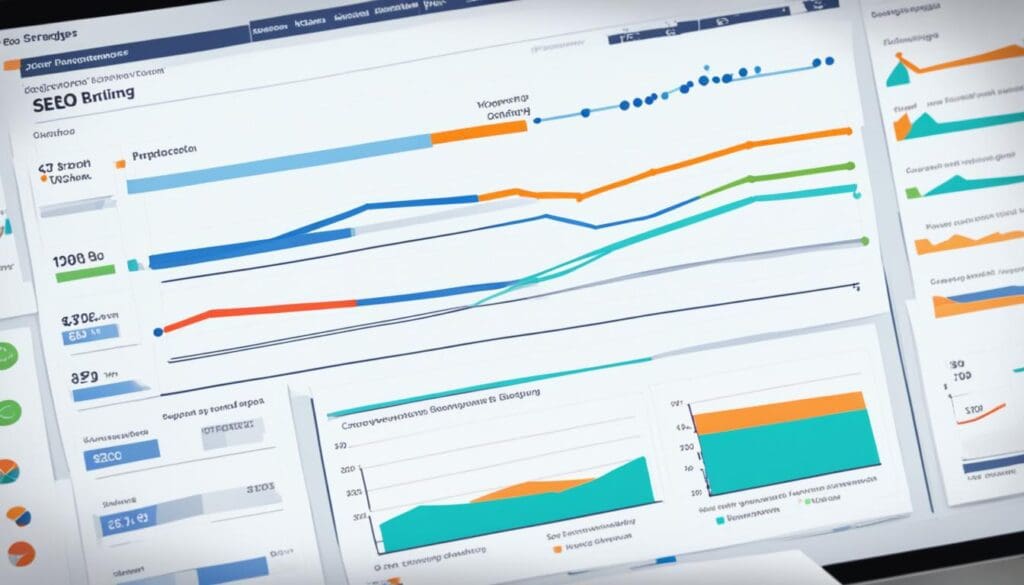
Conducting an SEO audit is not a one-time event. It’s essential to continuously monitor your SEO performance and make adjustments as needed. We can use tools like Google Search Console to track our site’s organic search performance over time and identify any significant drops in traffic that may coincide with major Google algorithm updates. This will help us stay ahead of any changes and ensure that our SEO strategy remains effective.
Organic traffic is a key metric to monitor, as it provides insight into how well our webpages rank for relevant keywords and attract potential customers. The Position Tracking tool allows us to monitor keyword rankings daily, essential for understanding website performance and driving traffic. The SERP visibility index indicates the frequency and prominence of our website appearing in search engine results, taking into account keyword rankings and various SERP features.
We should also closely track the number of impressions our site receives, as this showcases our SEO progress and visibility. Click-Through Rate (CTR) calculates the percentage of users clicking on our website from the search engine results page, reflecting the effectiveness of our titles and descriptions in attracting visitors. Conversions, or key events in Google Analytics, demonstrate the successful completion of desired actions on our site, such as signing up or making a purchase, indicating the effectiveness of our web pages in converting visitors into leads or customers.
Monitoring bounce rate is crucial, as it highlights the engagement level and relevance of our content to visitors. A low bounce rate is ideal for SEO, as it guides users towards conversions. Google Analytics offers custom alerts for decreased traffic percentages, which can help us quickly identify and address any issues.
By continuously monitoring our SEO performance using these metrics and tools, we can make informed decisions to improve our site’s visibility, engagement, and ultimately, its ability to drive valuable conversions and revenue.
Conclusion
Conducting a comprehensive SEO analysis is crucial for the success of your small business website. By identifying and addressing the issues that are holding your site back, we can improve your search engine rankings, increase your website’s visibility, and ultimately drive more traffic and sales. By utilizing the right tools and following the steps outlined in this guide, we can take your small business website to the next level and stay ahead of the competition.
Through our in-depth SEO audit, we have uncovered opportunities to enhance your site’s performance and optimize your content strategy. By addressing technical concerns, improving on-page optimization, and continuously monitoring your SEO metrics, we can ensure that your small business website remains competitive and adaptable in the ever-evolving digital landscape.
Investing in regular SEO audits is a proactive approach that will pay dividends for your small business. By consistently analyzing your site’s SEO, we can identify areas for improvement, capitalize on emerging trends, and secure a stronger online presence for your brand. Let’s work together to maximize the potential of your small business website and drive sustainable growth through effective SEO strategies.