
Local SEO Ranking Factors to Dominate Local Searches

Monetizing Your Blog: Strategies for Revenue Growth
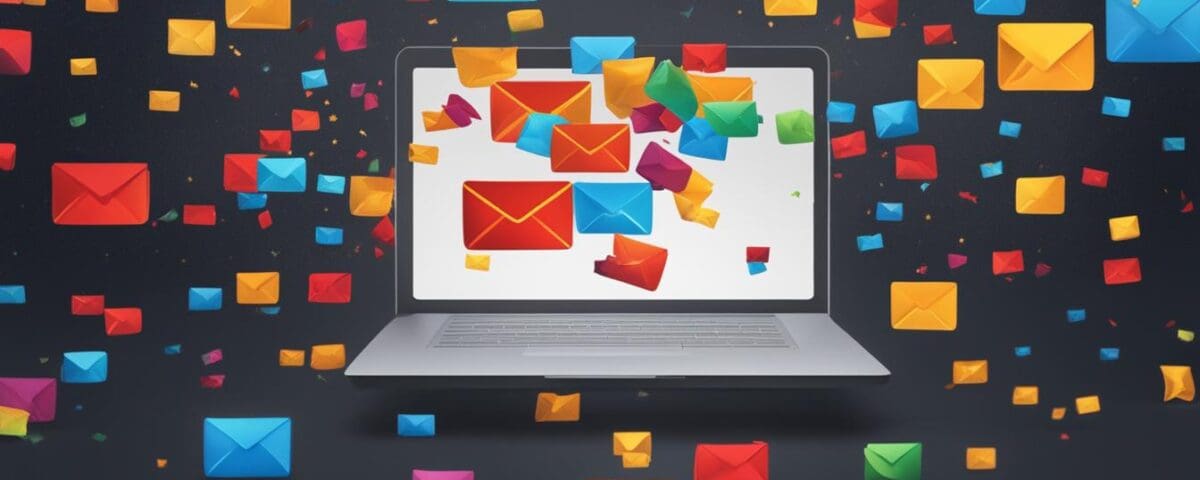
In today’s fast-paced digital world, standing out in the crowded email marketing landscape is essential for success. One powerful strategy that can set you apart is personalization. By tailoring your email campaigns to the individual preferences and behaviors of your subscribers, you can create a more engaging and personalized experience.
Personalization in email marketing goes beyond simply addressing recipients by their name. It involves customizing subject lines, content, and offers based on their past interactions, preferences, and even location. By delivering relevant and tailored messages, you can increase open rates, click-through rates, and ultimately, conversions.
In this article, we will delve into the strategies and best practices for implementing effective email marketing personalization. From segmenting your email list to leveraging dynamic content and behavioral triggers, we will explore how you can revolutionize your email campaigns and drive significant business growth.
Key Takeaways:
- Email personalization can greatly impact the success of your campaigns by creating a more personalized and engaging experience for your subscribers.
- Personalized emails receive higher open and click-through rates compared to generic emails.
- Segmenting your email list allows you to send targeted content to specific groups of subscribers.
- Dynamic content enables you to show personalized product recommendations and tailored offers in your emails.
- Personalized subject lines and preheaders can significantly improve your email open rates.
Why Email Personalization Matters
Email personalization is not just a nice-to-have feature; it is a crucial element of successful email marketing campaigns. By customizing your emails to fit the unique preferences and needs of your subscribers, you can deliver relevant content that captures their attention and drives engagement. Personalization goes beyond simply addressing your recipients by their name; it involves tailoring the subject line, content, and offers based on their behavior and past interactions with your brand.
Studies have shown that personalized emails achieve higher open and click-through rates compared to generic emails. According to Experian, personalized emails receive 29% higher open rates and 41% higher click-through rates. By leveraging email customization and personalization, you can stand out in a crowded inbox and build trust with your audience.
Personalization allows you to create a more individualized and tailored experience for your subscribers. By understanding their preferences, you can send targeted emails that resonate with their specific needs. Whether it’s recommending products based on their previous purchases or sending personalized offers based on their browsing behavior, email personalization helps you deliver the right message to the right person at the right time.
The Benefits of Email Personalization
- Higher open and click-through rates
- Increased engagement and trust
- Improved customer satisfaction
- Enhanced conversion rates
- Greater ROI on email marketing campaigns
In the next section, we will explore how to effectively segment your email list for personalized campaigns, allowing you to target different groups of subscribers with tailored content that resonates with their unique needs and interests.
Segmenting Your Email List for Personalization
Segmenting your email list is a crucial step in implementing effective personalization strategies. By dividing your subscribers into different segments based on their demographics, behavior, or preferences, you can create targeted campaigns that resonate with each segment. This approach allows you to send relevant content to specific groups of subscribers, increasing the chances of engagement and conversion.
There are various criteria you can use for segmentation, such as purchase history, geographic location, or engagement level. By analyzing this data, you can gain valuable insights into your subscribers’ preferences and tailor your messages accordingly. For example, you can send a special discount to customers who recently made a purchase or offer location-specific promotions to subscribers in specific areas.
Benefits of Segmenting Your Email List
- Improved relevance: Segmenting your email list ensures that your messages are highly relevant to each subscriber’s interests and needs. This increases the likelihood of engagement and conversion.
- Higher open and click-through rates: When subscribers receive personalized content that resonates with them, they are more likely to open the email and click on the links provided.
- Enhanced user experience: By tailoring your emails to specific segments, you can deliver a more personalized and enjoyable experience for your subscribers, leading to increased customer satisfaction and loyalty.
Segmenting your email list is a powerful strategy that enables you to deliver targeted and personalized content to your subscribers. By understanding their preferences and needs, you can create more meaningful connections and drive better results for your email marketing campaigns.
Leveraging Dynamic Content in Emails
Dynamic content is a game-changer in email marketing personalization. It allows us to create highly customized and engaging emails that resonate with individual recipients. By leveraging dynamic content, we can show different product recommendations, offers, and information based on the recipient’s preferences or behavior.
One of the key advantages of dynamic content is that it enhances the user experience by delivering personalized content directly to the recipient’s inbox. This level of customization creates a sense of exclusivity and relevance, increasing the likelihood of engagement and conversion.
To effectively leverage dynamic content in our email marketing campaigns, we can use conditional logic and personalization tags. Conditional logic allows us to define rules and conditions that determine which content blocks should be displayed to different recipients. Personalization tags, on the other hand, allow us to dynamically insert recipient-specific information, such as their name or purchase history, into the email content.
Benefits of leveraging dynamic content:
- Increased personalization: Dynamic content allows us to deliver highly personalized messages that cater to the unique needs and preferences of each recipient.
- Enhanced user experience: By showing relevant content, dynamic content enhances the user experience and increases engagement with our emails.
- Improved conversion rates: Personalized recommendations and offers delivered through dynamic content can significantly increase the likelihood of conversion.
By incorporating dynamic content into our email marketing strategy, we can take personalization to the next level and achieve better results. The ability to deliver customized messages in a scalable way opens up endless possibilities for engaging and converting our audience.
Personalizing Subject Lines and Preheaders
When it comes to email personalization, the subject line and preheader play a crucial role in capturing the attention of your recipients. By personalizing these elements, you can significantly improve your email open rates and increase the chances of engagement.
Strategies for Personalizing Subject Lines and Preheaders
- Include the recipient’s name: Addressing the recipient by their name in the subject line or preheader creates a sense of personal connection and can make your email stand out in their crowded inbox.
- Refer to past interactions: Tailor your subject line or preheader based on the recipient’s past behavior or preferences. For example, you can mention a recent purchase or their engagement with a specific campaign.
- Use location-specific information: Incorporate location-based details to make your email more relevant and personalized. This can include referencing local events or offering location-specific deals.
- Create a sense of urgency: Use dynamic content in subject lines or preheaders to create a sense of urgency and encourage immediate action. For example, include a limited-time offer or countdown timer.
According to studies, personalized subject lines have been found to increase email open rates by 26%. By implementing these strategies and crafting compelling subject lines and preheaders, you can grab the attention of your recipients and entice them to open your emails.
Behavioral Triggers for Personalized Emails
In today’s competitive email marketing landscape, personalization is the key to standing out and engaging your audience. One effective way to achieve this is by leveraging behavioral triggers in your email campaigns. Behavioral triggers are actions or events that can automatically trigger email communication. By setting up automated campaigns based on specific user behavior, you can send timely and relevant emails to your subscribers, increasing the chances of conversion.
One common example of a behavioral trigger is the abandoned cart email. When a subscriber adds items to their cart but doesn’t complete the purchase, you can send them a personalized email with a special offer to incentivize them to come back and complete the transaction. This approach has been proven to be highly effective, with abandoned cart emails achieving open rates of over 40% and generating substantial revenue.
Another example of a behavioral trigger is the re-engagement email. If a subscriber hasn’t interacted with your emails for a certain period of time, you can automatically send them a personalized email with a compelling message or offer to re-ignite their interest. This helps you reconnect with dormant subscribers and bring them back into the fold.
Benefits of Behavioral Triggers:
- Increased relevance: By sending emails based on specific user behavior, you can tailor the content to match their interests and preferences, creating a more personalized experience.
- Timeliness: Behavioral triggers allow you to reach out to subscribers at the right moment, when they are most likely to engage and convert.
- Automation: Once you set up the triggers and workflow, the emails are sent automatically, saving you time and effort.
- Improved ROI: Behavioral triggers have been shown to significantly increase email engagement and conversion rates, resulting in a higher return on investment for your email marketing campaigns.
When implementing behavioral triggers, it’s important to track and analyze the performance of your triggered emails. Monitor key metrics such as open rates, click-through rates, and conversions to evaluate the effectiveness of your triggers and make data-driven decisions to optimize your campaigns. By continuously refining your behavioral triggers based on the insights you gather, you can ensure that your personalized emails are delivering maximum impact.

By leveraging behavioral triggers in your email marketing, you can create highly targeted and personalized experiences for your subscribers. Whether it’s abandoned cart emails, re-engagement campaigns, or other triggered emails, behavioral triggers can help you deliver the right message to the right person at the right time. Start incorporating behavioral triggers into your email marketing strategy today and unlock the full potential of personalization.
Data-Driven Personalization Strategies
When it comes to email marketing personalization, data is the key to success. By leveraging customer data, you can create highly targeted and personalized campaigns that resonate with your audience. But how exactly can you use data to enhance your personalization efforts? Here are some data-driven strategies to consider:
- Segmentation: Divide your email list into different segments based on demographics, behavior, or preferences. This allows you to send tailored messages to specific groups, increasing engagement and conversion rates.
- Personalized content: Use customer data, such as past purchases or browsing behavior, to customize the content of your emails. By showing recipients products or offers that match their interests, you can create a personalized experience that drives action.
- Automation: Take advantage of marketing automation tools to deliver the right message at the right time. Set up triggers and workflows based on user behavior to ensure that your subscribers receive relevant emails throughout their customer journey.
- A/B testing: Continuously test and optimize your personalization efforts. Compare different versions of your emails to identify which elements drive better results. By analyzing data and making data-driven decisions, you can improve your personalization strategy over time.
By implementing these data-driven strategies, you can take your email marketing personalization to the next level. Remember, personalization is all about delivering relevant and tailored experiences to your audience. With the right data and strategies in place, you can create meaningful connections with your subscribers and drive better results for your business.
Take a look at the image below to see the power of data-driven personalization:
Testing and Optimization for Personalization Success
Testing and optimization are key components for achieving success in your personalization efforts. By continuously testing different elements within your email marketing campaigns, you can gather valuable data and insights that will help you refine your personalization strategy and improve engagement and conversion rates. Here are some testing and optimization techniques to consider:
- A/B Testing: Conduct A/B tests to compare different versions of your emails and identify which elements drive better results. Test different subject lines, content variations, CTAs, or personalized elements to determine what resonates best with your audience.
- Segmentation Testing: Test different segmentation criteria to find the most effective way to divide your subscribers into targeted groups. Experiment with different demographics, behaviors, or preferences to deliver more relevant content.
- Frequency Testing: Test the frequency of your email sends to find the optimal balance between staying engaged with your subscribers and avoiding email fatigue. Experiment with different sending frequencies to see how it impacts open and click-through rates.
- Personalization Elements Testing: Test different personalization elements, such as recipient’s name, location, or past interactions, to determine which ones have the greatest impact on engagement and conversion rates. This will help you prioritize your personalization efforts.
Optimization Techniques
Once you’ve gathered sufficient data from your testing efforts, it’s time to optimize your personalization strategy. Here are some optimization techniques to consider:
- Analyze Metrics: Continuously monitor key metrics, such as open rates, click-through rates, and conversion rates, to evaluate the effectiveness of your personalization efforts. Identify areas that need improvement and focus on optimizing those areas.
- Refine Segmentation: Use the insights from your testing to refine your segmentation strategy. Fine-tune your segments based on the demographics, behaviors, or preferences that drive the strongest engagement and conversions.
- Create Dynamic Content: Leverage the data and insights you’ve gathered to create more relevant and engaging dynamic content. Tailor your content blocks to individual recipients based on their preferences, purchase history, or browsing behavior.
- Iterate and Improve: Personalization is an ongoing process. Continuously iterate and improve your personalization strategy based on the feedback and data you collect. Stay up-to-date with industry trends and best practices to ensure your personalization efforts are effective.
By implementing thorough testing and optimization techniques, you can maximize the impact of personalization in your email marketing campaigns and deliver highly targeted and engaging content to your subscribers.
Integrating Personalization with Marketing Automation
In today’s digital landscape, leveraging personalization in email marketing has become essential for businesses looking to engage and convert their audience. But personalization alone is not enough. To truly harness its power, it is crucial to integrate personalization with marketing automation. This combination allows you to create highly targeted and personalized email campaigns that are delivered at the right time and to the right audience.
By integrating personalization with marketing automation tools, you can automate various aspects of your email marketing, from trigger-based emails to dynamic content customization. This enables you to deliver personalized messages based on specific user actions or behaviors, such as abandoned carts, previous purchases, or browsing history.
With marketing automation, you can set up workflows and actions that automatically segment your audience, tailor your content, and deliver personalized emails at scale. This not only saves you time and resources but also ensures that each email is relevant, engaging, and impactful. The result is increased open rates, click-through rates, and ultimately, higher conversions.
Benefits of Integrating Personalization with Marketing Automation:
- Deliver highly targeted and relevant emails to your audience
- Automate personalized email campaigns based on user behavior
- Save time and resources by automating repetitive tasks
- Increase open rates, click-through rates, and conversions
- Improve customer engagement and satisfaction
In conclusion, integrating personalization with marketing automation is a winning strategy for maximizing the impact of your email marketing. By aligning personalized content with automated workflows, you can create a seamless and highly effective email campaign that drives results. So, take advantage of the powerful combination of personalization and marketing automation to deliver targeted and engaging emails that resonate with your audience.
Tracking and Analyzing Personalization Metrics
Tracking and analyzing personalization metrics is a critical step in evaluating the effectiveness of your email marketing campaigns. By monitoring key metrics such as open rates, click-through rates, and conversion rates, you gain valuable insights into the performance of your personalization efforts. This data-driven approach allows you to make informed decisions and optimize your campaigns for better results.
One of the most important metrics to track is the open rate. It indicates how many recipients have actually opened your emails, giving you an idea of the effectiveness of your subject lines and preheaders. A low open rate could suggest that your personalization strategies need improvement or that your content is not resonating with your audience.
Click-through rates are another critical metric to monitor. They reveal how many recipients clicked on the links in your emails, indicating the level of engagement and interest. By analyzing the click-through rates, you can assess the effectiveness of your call-to-action (CTA) and the relevance of your content.
Conversion rates provide insights into how well your personalization efforts are translating into actual conversions. By tracking the number of recipients who took the desired action, such as making a purchase or signing up for a webinar, you can evaluate the impact of your personalized campaigns on your bottom line. Analyzing these conversion rates helps you identify areas for improvement and refine your strategies to drive better results.
Evaluating the Impact of Personalization
- Track open rates, click-through rates, and conversion rates to measure the effectiveness of your personalization efforts.
- A low open rate could indicate that your subject lines and preheaders need improvement.
- Click-through rates give insights into the engagement and interest level of your recipients.
- Conversion rates help evaluate the impact of personalization on actual conversions.
Conclusion
Personalization is a game-changer in email marketing. By crafting tailored messages, leveraging dynamic content, and using behavioral triggers, we can create personalized experiences that resonate with our audience. The power of personalization lies in its ability to build trust, engage recipients, and increase conversions.
With the strategies and best practices outlined in this article, you can unlock the full potential of email marketing personalization and drive significant business growth. By implementing email marketing personalization, you can create a more personalized and engaging experience for your subscribers, leading to higher open and click-through rates. The statistics speak for themselves – personalized emails receive 29% higher open rates and 41% higher click-through rates compared to generic emails.
So, what are you waiting for? Embrace the power of personalization in your email marketing campaigns. Start by segmenting your email list, leveraging dynamic content, and personalizing subject lines and preheaders. Use behavioral triggers and data-driven strategies to deliver targeted messages at the right time. Test, optimize, and integrate personalization with marketing automation for optimal results.
Remember, personalization sets you apart from your competitors and establishes a genuine connection with your audience. It’s time to revolutionize your email marketing campaigns with email marketing personalization. Take the first step today and witness the impact it can have on your business.
FAQ
What is email personalization?
Email personalization is the practice of customizing email messages based on individual recipient’s preferences, behavior, and past interactions. It involves tailoring subject lines, content, and offers to create a more personalized and engaging experience for subscribers.
Why is email personalization important?
Email personalization is important because it helps deliver relevant content to subscribers, increases open and click-through rates, and builds trust with the audience. Personalized emails have higher engagement and conversion rates compared to generic emails.
How can I segment my email list for personalized campaigns?
You can segment your email list based on demographics, behavior, or preferences. By dividing your subscribers into different groups, you can send targeted content that resonates with each segment, increasing engagement and conversion rates.
What is dynamic content in email personalization?
Dynamic content allows you to display different content blocks to different recipients based on their preferences or behavior. It enables you to show personalized product recommendations, tailored offers, or location-specific information, enhancing the user experience and increasing the likelihood of conversion.
How can I personalize subject lines and preheaders in emails?
Personalizing subject lines and preheaders involves including the recipient’s name or referencing their past interactions in these elements. Personalized subject lines have been found to significantly increase open rates, grabbing recipients’ attention and making your email stand out in their crowded inbox.
What are behavioral triggers in personalized emails?
Behavioral triggers are actions or events that trigger email communication. By setting up automated campaigns based on specific user behavior, such as cart abandonment or website browsing, you can send timely and relevant emails to your subscribers, increasing the chances of conversion.
How can I use customer data for data-driven personalization?
Data-driven personalization involves analyzing customer data, such as purchase history, browsing behavior, or demographic information, to create highly targeted and personalized email campaigns. By leveraging automation and advanced segmentation techniques, you can deliver the right message to the right person at the right time.
Why is testing and optimization important in email personalization?
Testing and optimization allow you to gather data and insights to refine your personalization strategy. By continuously testing different elements, such as subject lines and content, and analyzing key metrics, you can improve your personalization efforts and achieve better engagement and conversion rates.
How can I integrate personalization with marketing automation?
By integrating personalization with marketing automation tools, you can create sophisticated and highly personalized email campaigns. Set up triggers, workflows, and actions based on user behavior to ensure that your subscribers receive the most relevant content at every stage of their customer journey.
What metrics should I track for personalization success?
It is crucial to track metrics such as open rates, click-through rates, and conversion rates to evaluate the effectiveness of your personalization efforts. Analyzing these metrics helps you identify areas for improvement and make data-driven decisions to optimize your email marketing campaigns.
How can I get started with email personalization?
To get started with email personalization, implement strategies such as segmenting your email list, leveraging dynamic content, and personalizing subject lines. Use customer data and automation tools to create targeted campaigns, and continuously test and optimize your efforts for better engagement and conversion rates.