
How AI Tools Can Help Small Businesses Scale Quickly

How AI Voice Agents Can Handle Your Calls and Boost Conversions
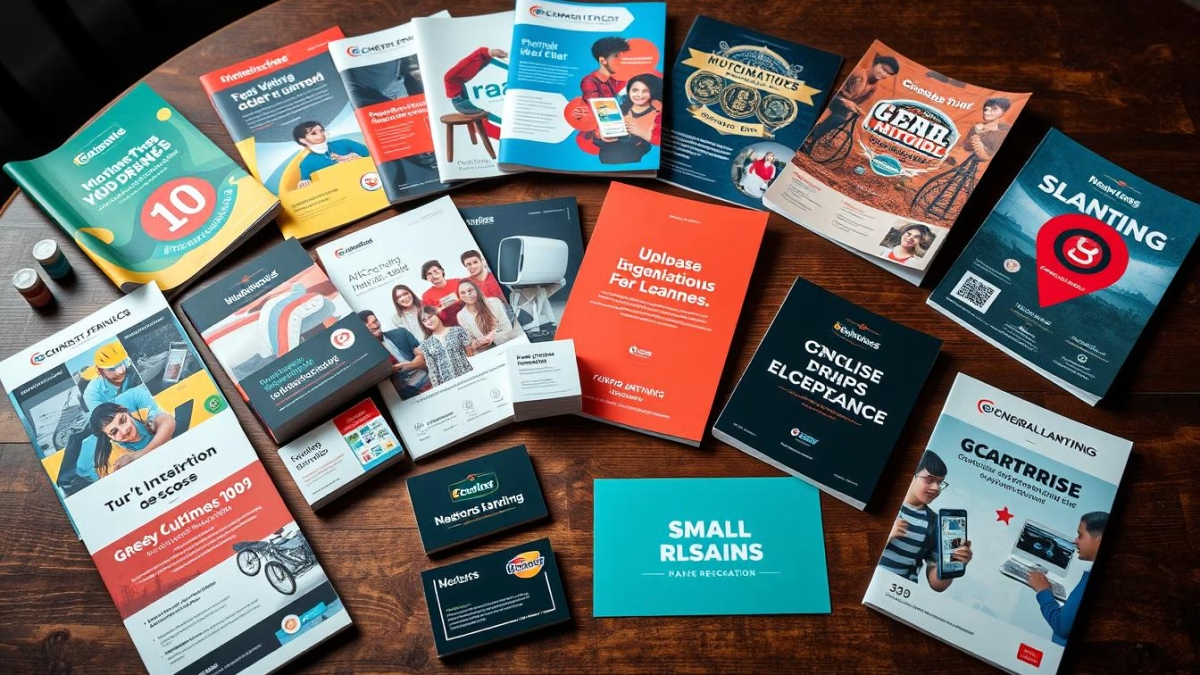
In today’s competitive business landscape, graphic design plays a crucial role in how small businesses present themselves to their target audience. Effective visual branding can significantly influence prospects’ perceptions of your company’s professionalism and credibility, ultimately impacting your sales and growth. A well-designed visual identity, encompassing elements such as your logo, fonts, color palette, graphic elements, and imagery, works together to create a unique and memorable brand image.
Before establishing your visual brand, it’s essential to have a clear understanding of your business identity and the preferences of your target audience. Crafting a cohesive messaging strategy is the foundation for effective marketing, but poor design can detract from even the most compelling content. By incorporating graphic design best practices, small businesses can elevate their marketing materials and effectively communicate their unique value proposition to potential customers.
Key Takeaways
- Graphic design significantly influences how customers perceive your small business’s professionalism and credibility.
- A well-designed visual identity, including your logo, fonts, color palette, and imagery, is crucial for building a memorable brand.
- Understanding your target audience’s preferences is essential for creating marketing materials that resonate with them.
- Incorporating graphic design best practices can help small businesses elevate their marketing and effectively communicate their unique value proposition.
- Consistent branding and accessibility in design can improve SEO and search engine rankings.
Importance of Graphic Design in Marketing
Graphic design is a vital component of effective marketing for small businesses. It plays a crucial role in creating a strong visual identity, building brand recognition, and engaging your audience. Crafting visually appealing designs can significantly impact how your business is perceived and remembered by potential customers.
How Effective Design Influences Perception
The way your marketing materials look and feel can greatly influence how your audience perceives your brand. Visually striking designs can convey professionalism, trustworthiness, and attention to detail, which are all important factors in establishing credibility and customer confidence.
Building Brand Recognition Through Visuals
Consistent use of graphic design elements, such as your logo, color palette, and typography, can help build brand recognition and create a cohesive visual identity across all your marketing efforts. This consistency is key to making your business memorable and easily identifiable by your target audience.
Engaging Your Audience with Compelling Graphics
In today’s fast-paced digital landscape, attention spans are limited, and compelling graphics can make all the difference in capturing and retaining your audience’s interest. Well-designed marketing materials, from social media posts to brochures, can effectively communicate your message and drive engagement, leading to increased conversions and customer loyalty.
By prioritizing graphic design in your marketing strategy, you can unlock the power of visual communication to strengthen your brand recognition, enhance your audience engagement, and ultimately, drive the success of your small business.
Understanding Your Target Audience
Graphic design is not just about creating visually appealing artwork; it’s about understanding your target audience and tailoring your designs to their preferences. As experienced designers know, studying and analyzing what people want or need is crucial for crafting marketing materials that truly resonate.
Identifying Your Ideal Customer
The first step in effective graphic design is to identify your ideal customer. Who are you trying to reach with your marketing efforts? What are their demographics, interests, and pain points? By developing a deep understanding of your target audience, you can create designs that speak directly to their needs and desires.
Tailoring Designs to Audience Preferences
Once you’ve identified your ideal customer, it’s time to tailor your designs to their preferences. This may involve considering factors like color psychology, typography, and the use of imagery. A graphic designer who truly understands their target audience can create marketing materials that are not only visually appealing but also highly compelling and effective.
By focusing on your target audience and their preferences, you can create graphic designs that truly stand out in a crowded marketplace. This approach helps you build a stronger connection with your customers, leading to increased engagement, loyalty, and ultimately, business success.
Creating Consistent Brand Guidelines
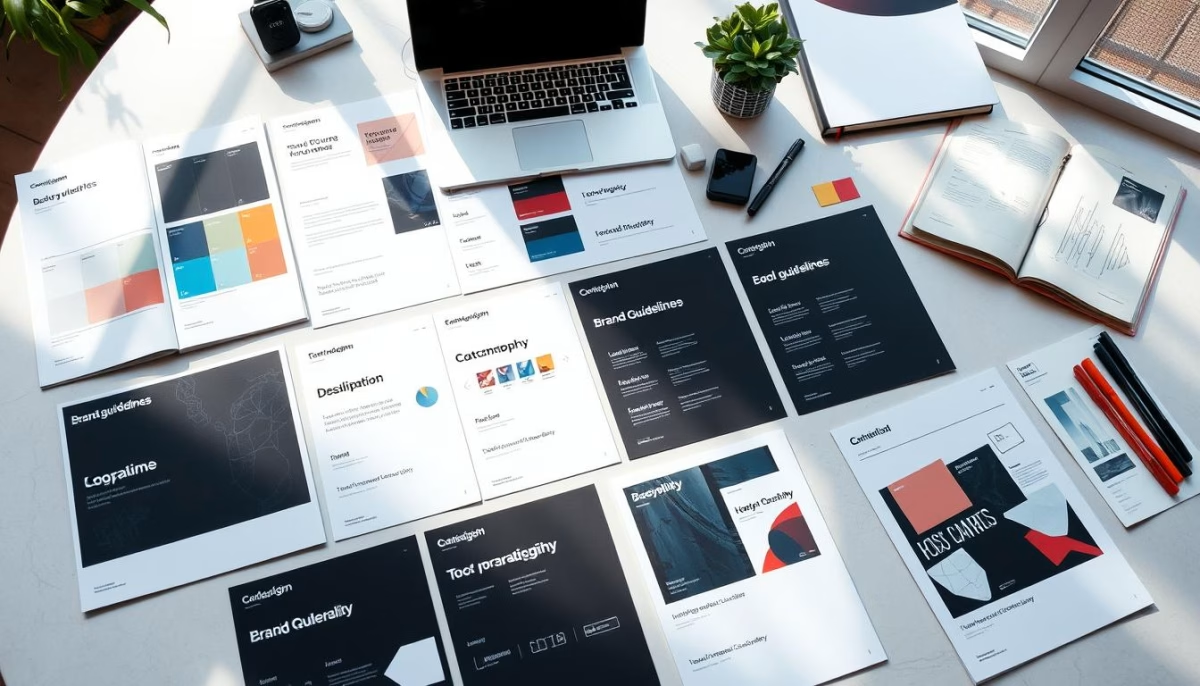
Establishing a cohesive visual identity is crucial for building a strong, recognizable brand. At the heart of this lies your brand guidelines – a set of specifications that govern the use of your brand elements across all platforms. These guidelines typically cover key areas such as your color palette, typography, and logo design.
Establishing a Color Palette
Your brand’s color palette is a powerful tool for creating a memorable visual impression. Many companies now use multiple colors to enhance their brand communication. A dominant color paired with 3-4 complementary tones can ensure visual consistency without becoming monotonous.
Selecting Fonts and Typography
Typography consistency is vital for brand identity. Your style guide should outline the specific font styles, sizes, and colors to be used for various applications, such as headings, body text, and captions. Limit your typeface selection to no more than three to maintain professionalism and prevent design overload.
Designing a Logo That Represents Us
Your logo is the cornerstone of your brand identity. It’s important to establish clear guidelines for logo usage, including exclusion zones, color variations, and minimum size requirements. Providing a brand story that communicates your values and mission can also help your logo resonate more strongly with your target audience.
Consistent branding across all platforms is essential for building recognition and trust with your customers. By establishing a clear set of brand guidelines, you can ensure a cohesive visual identity that sets your business apart and strengthens your connection with your audience.
Choosing the Right Graphic Design Tools
Selecting the right graphic design tools is crucial for creating effective marketing materials. From professional-grade software to user-friendly online platforms, there are a variety of options available to suit your needs and budget. Whether you’re a small business owner or a seasoned designer, understanding the benefits of these tools can help you elevate your visual branding and captivate your audience.
Overview of Popular Design Software
Adobe Creative Cloud is a widely recognized industry standard, offering a comprehensive suite of applications like Photoshop, Illustrator, and InDesign. These powerful programs provide advanced features for image manipulation, vector-based design, and layout creation. For those seeking a more affordable alternative, CorelDRAW is another popular design software that offers a robust set of tools for graphic design.
Benefits of Online Design Platforms
Online design platforms like Canva have become increasingly popular due to their user-friendly interfaces and accessible features. These platforms often provide a wide selection of pre-designed templates, making it easier for non-designers to create visually appealing marketing materials. With Canva, users can customize layouts, manipulate images, and even collaborate with team members, all within a web-based environment.
When to Hire a Professional Designer
While design software and online platforms can be useful for basic design needs, there are times when hiring a professional designer is beneficial. For more complex projects, such as developing a comprehensive brand identity or creating high-impact marketing collateral, a professional designer can ensure that your visual branding aligns with your overall business strategy and resonates with your target audience.
Balancing Aesthetics and Functionality
Graphic design is a delicate balance between creating visually appealing designs and ensuring they are functional and user-friendly. As small business owners, we must prioritize user experience by crafting designs that not only captivate our audience but also make it easy for them to interact with our marketing materials.
Prioritizing User Experience
When designing marketing assets, we should focus on creating an intuitive and seamless user experience. This means ensuring our designs are easy to navigate, with clear call-to-actions and intuitive layout. We can take inspiration from tech giants like Apple, who are known for their sleek, minimalist aesthetics that never compromise on functionality.
Ensuring Accessibility in Our Designs
Accessibility is a crucial consideration in graphic design, as it ensures our materials are inclusive and can be enjoyed by all. This includes using high-contrast colors, providing alternative text for images, and avoiding reliance on color alone to convey information. By prioritizing design accessibility, we not only improve the user experience but also align our efforts with SEO best practices, potentially enhancing our search engine visibility.
Ultimately, the key to successful graphic design lies in finding the sweet spot between functional aesthetics that captivate our audience and designs that prioritize user-friendliness and accessibility. By striking this delicate balance, we can create marketing materials that truly resonate with our target customers.
Crafting Attention-Grabbing Marketing Materials
As a small business owner, crafting attention-grabbing marketing materials is crucial for standing out in a crowded marketplace. Whether it’s designing an eye-catching brochure, creating a visually compelling flyer, or producing captivating social media graphics, the right approach can make all the difference in capturing your audience’s attention.
Tips for Effective Brochure Design
When it comes to brochure design, establishing a clear visual hierarchy is key. Utilize strategic placement of text, images, and whitespace to guide the reader’s eye through your message. Incorporate high-quality, professional-looking visuals that align with your brand identity. Keep the overall design simple yet impactful to ensure your key information is easily digestible.
Designing Eye-Catching Flyers
Flyers are a versatile marketing tool, and their design can greatly impact their effectiveness. Use bold, contrasting colors and fonts to make your message stand out. Consider incorporating creative text layouts, such as overlapping or angled text, to add visual interest. Ensure your call-to-action is prominently displayed and impossible to miss.
Utilization of Social Media Graphics
Social media platforms offer unique opportunities to showcase your brand’s personality through visually engaging graphics. Tailor your designs to the specific requirements of each platform, such as image sizes and aspect ratios. Experiment with different formats, from static images to eye-catching animations, to capture your audience’s attention.
By prioritizing design best practices and staying attuned to the preferences of your target audience, you can craft marketing materials that are not only visually appealing but also highly effective in driving engagement and generating leads for your small business.
The Role of Imagery in Graphic Design
Imagery plays a crucial role in graphic design, particularly for small businesses. When selecting images, it’s important to ensure they relate to the content and maintain a consistent style across all marketing materials. Quality brand imagery can significantly impact customer perception and engagement.
Selecting Quality Images for Branding
Photographs, illustrations, iconography, and data visualizations are four common types of imagery used in effective branding. Best practices recommend balancing file size and image quality, aiming for a total page weight of around 1-2MB for images on a webpage. Prioritizing information-carrying images over decorative ones can enhance user engagement and decision-making.
The Power of Infographics
Infographics are particularly powerful in graphic design, being shared on social media three times more than any other type of content. These visually appealing graphics can condense extensive information, making statistics, timelines, or comparisons easily comprehensible to your audience. Infographics can also boost your authority and expertise by portraying your company as an industry leader.
Incorporating high-quality brand imagery and compelling infographics into your graphic design can significantly enhance your small business marketing materials. By leveraging the power of visual content, you can effectively communicate your brand’s message, build brand imagery, and engage your target audience.
Testing and Revisions for Optimal Results
Achieving optimal results with your graphic design goes beyond the initial creation process. It’s crucial to gather feedback on your designs and iterate based on audience response. This iterative design approach ensures that your marketing materials resonate with your target customers and effectively communicate your brand’s message.
Gathering Feedback on Designs
Seek out feedback from your target audience and key stakeholders. This could involve presenting initial design concepts to focus groups, conducting one-on-one interviews, or collecting survey responses. Design feedback is essential for understanding how your audience perceives the visuals and identifying areas for improvement.
Iterating Based on Audience Response
- Use the feedback gathered to refine and iterate on your designs. This may involve adjusting the color scheme, typography, imagery, or layout based on audience preferences.
- Consider A/B testing different design elements to determine which versions perform best in terms of engagement and audience response.
- Remain open-minded and flexible throughout the design process. Continuously improving your work based on user feedback can lead to more effective and impactful marketing materials over time.
Remember, design is an ongoing process, not a one-time event. Embracing an iterative approach and actively seeking out design feedback and audience response can help you create graphics that truly resonate with your target customers.
Taking the Next Step with Solved
At Solved, we are committed to providing exceptional graphic design services for small businesses. We understand the vital role that effective design plays in marketing and branding, and our team of experienced designers is ready to help elevate your marketing materials. From creating consistent brand guidelines to crafting attention-grabbing marketing pieces, we offer comprehensive design solutions tailored to your unique business needs.
Partner with Solved, and unlock the power of professional, impactful graphic design. Our designers are dedicated to staying on the cutting edge of design trends and techniques, ensuring that your marketing efforts consistently make a lasting impression. With our expertise and commitment to excellence, we’ll transform your brand’s visual identity and drive increased sales through captivating, high-quality design.
Take the next step with Solved and experience the difference that professional design services can make for your small business. Let us handle the creative heavy lifting while you focus on growing your company and reaching new heights. Together, we’ll create marketing materials that truly speak to your target audience and solidify your brand’s position in the market.