
Why Content Marketing is Crucial for Small Business Success

Instagram Marketing Tips for Small Business Owners

As a small business owner, you understand the importance of finding cost-effective and efficient ways to grow your customer base and drive sales. Email marketing is a powerful tool that can help you achieve these goals. With a low entry cost and an average return on investment (ROI) of 4,400%, email marketing is a strategic approach that can significantly impact your business’s success.
Email marketing allows you to build relationships with your audience, deliver personalized content, and move customers along the buyer’s journey. By leveraging the power of email, you can communicate, engage, and convert leads into loyal customers. Additionally, email marketing offers targeted and measurable results, making it a valuable asset for small businesses looking to increase their sales and expand their reach.
Key Takeaways
- Email marketing is a cost-effective strategy for small businesses to reach and engage with their target audience.
- Personalized and targeted emails can drive 18 times more revenue compared to generic messages.
- Email marketing provides valuable data and insights to help you analyze campaign performance and replicate successful strategies.
- Consistent email communication can lead to a higher number of sales, as most people check their emails daily.
- Optimizing email subject lines is crucial for improving open rates and driving engagement with your content.
What is Email Marketing and Why It Matters
Email marketing is a powerful digital marketing strategy that allows businesses to connect directly with their customers. It involves sending promotional messages, newsletters, updates, or other content directly to subscribers’ inboxes. The benefits of email marketing are numerous, making it a crucial tool for small businesses looking to grow their customer base and boost sales.
The Power of Email Marketing
One of the key advantages of email marketing is its impressive return on investment (ROI). Studies show that email marketing can generate an average ROI of $42 for every dollar spent. This makes it an incredibly cost-effective way for small businesses to reach their target audience and drive sales. Additionally, email marketing boasts high delivery rates, with 90% of emails reaching the intended recipient’s inbox, compared to just 2% of social media posts being seen by a brand’s followers.
Building Relationships Through Email
Email marketing also plays a vital role in building and maintaining customer relationships. By sending regular, personalized communications, businesses can keep their brand top-of-mind and foster a sense of connection with their audience. This can lead to increased customer loyalty, repeat purchases, and valuable word-of-mouth referrals. Furthermore, email marketing allows for targeted and customized messaging, enabling small businesses to tailor their content to the specific needs and interests of their subscribers.
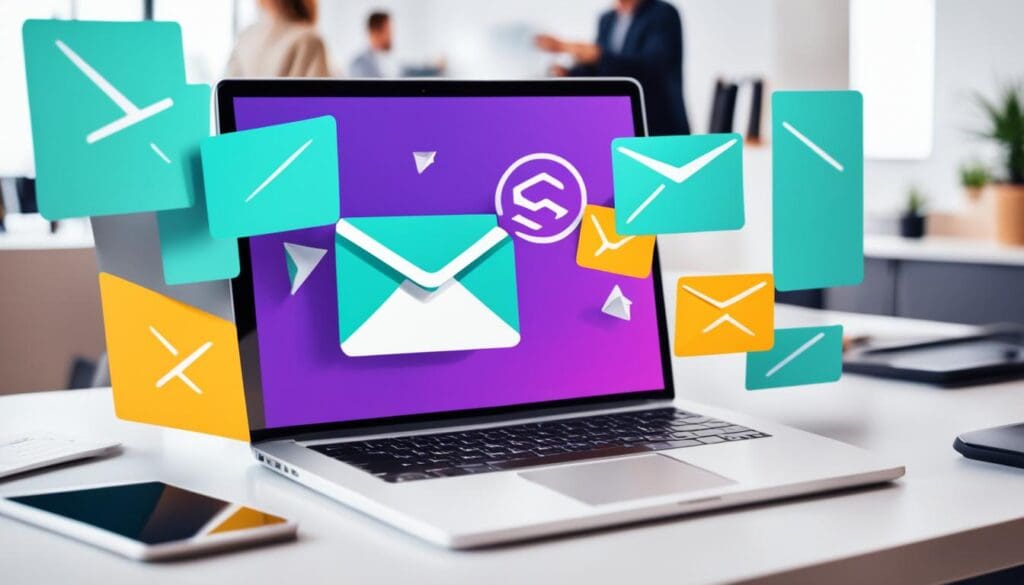
In today’s digital landscape, email marketing remains a powerful and essential tool for small businesses looking to grow their customer base, increase sales, and build lasting relationships with their audience. By leveraging the benefits of email marketing, small businesses can enjoy a significant return on their marketing investment and position themselves for long-term success.
Growing Your Email List
Growing a robust email list is crucial for the success of your email marketing efforts. By expanding your email subscriber base, you can reach more potential customers and build stronger relationships with your audience. There are several effective strategies you can employ to grow your email list, from leveraging your website and social media channels to offering valuable incentives.
One of the most powerful ways to grow your email list is by including email sign-up forms on your website. These forms should be strategically placed throughout your site, making it easy for visitors to subscribe and join your mailing list. Offering incentives, such as discounts, free trials, or exclusive content, can further encourage visitors to provide their email addresses.
Utilizing social media platforms to drive email sign-ups is another essential strategy. Promote your email list on platforms like Twitter, Pinterest, and Facebook, and consider running social media contests or giveaways that require an email address for entry. You can also leverage your existing social media following by adding email sign-up links to your profiles and encouraging your audience to join your mailing list.
Another effective method to grow your email list is by creating lead magnets, such as free ebooks, webinars, or exclusive content. Offer these valuable resources in exchange for an email address, and you’ll be able to build a targeted list of subscribers who are interested in your products or services.
Remember, building a high-quality email list takes time and consistent effort. By employing a variety of strategies, from website sign-up forms to social media engagement, you can steadily grow your email list and position your business for long-term success in the world of email marketing.

- Include email sign-up forms on your website
- Offer incentives, such as discounts or exclusive content, to encourage sign-ups
- Leverage social media platforms to promote your email list and run contests or giveaways
- Create lead magnets, such as free ebooks or webinars, in exchange for email addresses
- Consistently work to build and engage your email list for long-term success
Email Marketing Segmentation and Personalization
Crafting effective email marketing campaigns is crucial for small businesses looking to boost sales. A key component of this strategy is email list segmentation and personalization. By understanding your target audience and tailoring your content accordingly, you can optimize your email marketing efforts and deliver a more compelling, personalized experience.
Identifying Your Target Audience
Before launching an email marketing campaign, it’s essential to define your purpose and identify your target audience. By segmenting your email list based on factors such as demographics, behavior, and purchase history, you can create personalized email content that resonates with each group. This approach can lead to higher engagement, stronger customer relationships, and increased sales.
Segmenting Your Email List
- Collect information during the sign-up process to gather relevant data about your subscribers.
- Send out surveys to learn more about your audience’s interests, preferences, and pain points.
- Track email engagement metrics, such as open rates and click-through rates, to understand how different segments interact with your content.
- Analyze past purchase history to identify patterns and segment your list accordingly.
Personalizing Email Content
Personalized emails can increase customer engagement, build stronger relationships, and drive higher conversion rates. By addressing subscribers by name, sending emails on important occasions, and ensuring the content is mobile-friendly, you can create a more personalized and compelling experience for your audience.
Remember, effective email list segmentation and personalization are essential for small businesses looking to maximize the return on their email marketing investment. By understanding your target audience and crafting tailored content, you can drive higher engagement, build stronger customer relationships, and ultimately, boost sales.
Email Marketing Best Practices
As a small business, crafting successful email marketing campaigns is crucial for boosting sales and expanding your customer base. To ensure your emails stand out and engage your audience, it’s important to follow best practices. This includes creating compelling subject lines that grab the recipient’s attention, keeping the email content short and straightforward, and using images creatively to enhance the message.
One key aspect of effective email marketing is finding the optimal frequency for sending messages. Sending too many emails can lead to subscriber fatigue and higher unsubscribe rates, while sending too few may result in a lack of engagement. The ideal email frequency can vary depending on your business and audience, so it’s important to experiment and track the impact on metrics like open rates and click-through rates.
Automating your email campaigns can also be a game-changer for small businesses, helping you save time and resources while ensuring consistent communication with your audience. By leveraging email marketing automation tools, you can streamline the process of creating, scheduling, and sending your messages, allowing you to focus on other important aspects of your business.
- Craft compelling email subject lines that grab attention
- Keep email content concise and easy to read
- Use images strategically to enhance the message
- Experiment with email send frequency to find the sweet spot
- Leverage email marketing automation to save time and resources
By following these email marketing best practices, you can create campaigns that effectively engage your audience, drive more sales, and help your small business thrive in the digital landscape.
Conclusion
In conclusion, email marketing is a powerful tool for small businesses looking to increase sales and grow their customer base. By implementing effective strategies such as building a healthy email list, segmenting and personalizing email content, and following best practices, small businesses can leverage the cost-effectiveness, targeted communication, and measurable results of email marketing. By consistently delivering valuable and relevant content to their audience, small businesses can build stronger relationships, drive conversions, and achieve impressive returns on their marketing investments.
If you’re a small business looking to boost your sales through email marketing, consider partnering with Solved, a team of experts who can help you develop and execute a winning email marketing strategy. With the global number of email users expected to reach 4.48 billion by 2024 and email marketing generating $36 for every dollar spent, the opportunity to grow your business through this channel is significant.
Remember, email marketing is a highly effective way to reach your target audience, build brand loyalty, and drive sales. By staying up-to-date with the latest trends and best practices, and continuously optimizing your campaigns, you can unlock the full potential of email marketing for your small business.