
How to Create Compelling Advertisements with Graphic Design

Techniques for Building Strong Customer Relationships
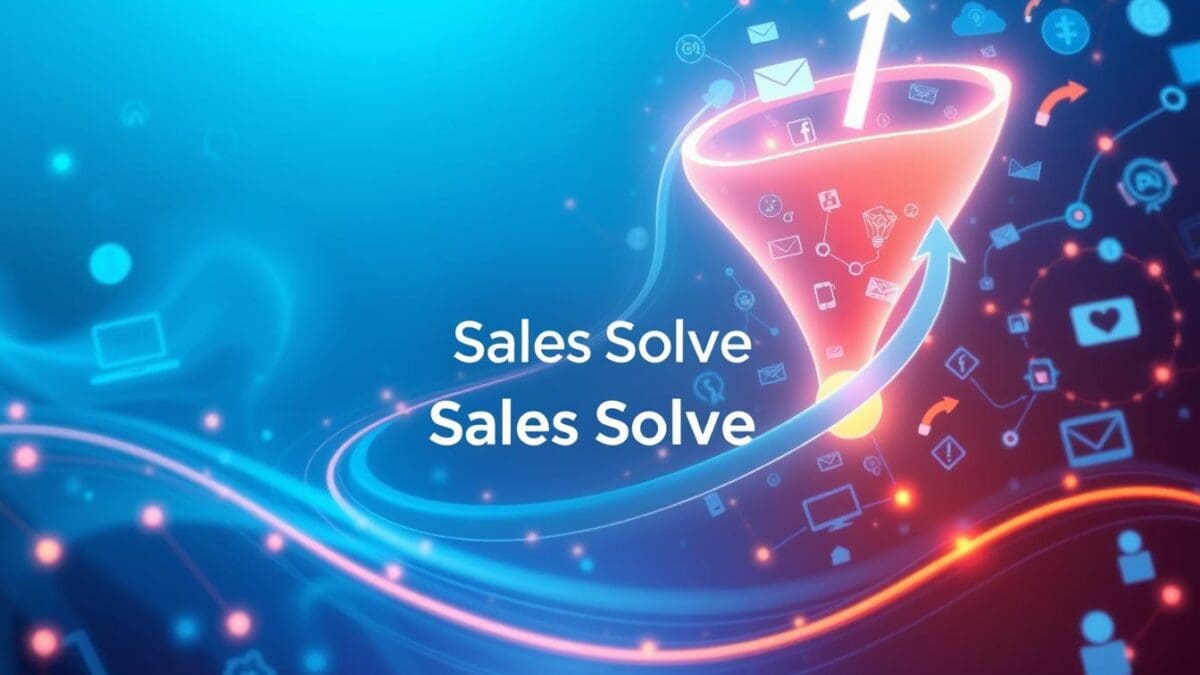
In the world of sales and marketing, understanding the difference between cold and warm leads is crucial for developing effective strategies to convert potential customers into loyal clients. Cold leads are individuals who have had no prior interaction with your brand, while warm leads have already shown some level of interest or engagement. By grasping these distinctions, businesses can tailor their approach to maximize conversion rates and drive growth.
Tools like Bardeen, a task copilot powered by AI, can help automate repetitive tasks and create personalized cold emails to convert leads with just a few clicks, no coding required. By leveraging these innovative technologies, we can streamline our lead nurturing process and focus on delivering tailored experiences that resonate with our target audience.
Key Takeaways
- Understand the difference between cold and warm leads to optimize your marketing strategies.
- Utilize AI-powered tools like Bardeen to automate lead nurturing tasks and create personalized outreach.
- Focus on delivering tailored experiences that resonate with your target audience and drive conversion.
- Continuously analyze and refine your funnel strategies to improve cold lead conversion rates.
- Prioritize building strong relationships with your leads to turn them into loyal customers.
Understanding the Difference Between Cold and Warm Leads
In the world of lead generation, there’s a clear distinction between cold leads and warm leads. Navigating this difference is crucial for optimizing your marketing efforts and converting prospects into loyal customers.
What Are Cold Leads?
Cold leads are individuals or businesses that have had no prior contact with your brand. They are unaware of your product or service and have shown little to no interest in what you have to offer. These leads may be skeptical or indifferent, as they haven’t yet established any trust or familiarity with your company.
Characteristics of Warm Leads
In contrast, warm leads have already interacted with your brand in some way, such as signing up for a newsletter, attending a webinar, or engaging with your content. These leads have begun to recognize the value you offer and have a higher level of familiarity and trust in your brand.
The Importance of Nurturing Leads
Nurturing leads, whether they are cold or warm, is essential for building long-lasting relationships and driving conversions. For cold leads, this process involves building brand awareness, providing educational resources, and personalizing your outreach. With warm leads, the focus shifts to deeper relationship-building, exclusive content, and encouragement to take the next step in their buyer’s journey.
By understanding the nuances between cold leads and warm leads, you can craft targeted strategies to effectively move prospects through your sales funnel and increase your chances of converting them into loyal customers.

Strategies for Warming Up Cold Leads
Transforming cold leads into warm, engaged prospects is a crucial step in any effective marketing funnel. By employing a range of personalized outreach and content marketing tactics, we can steadily build familiarity, trust, and interest, ultimately guiding these once-cold leads towards a successful conversion.
One powerful strategy is to focus on personalized emails. By crafting unique, relevant messages that address the specific pain points and interests of each lead, we can establish a more personal connection and demonstrate our understanding of their needs. Regularly sharing educational content, such as informative blog posts, whitepapers, or webinars, can also help position us as thought leaders and valuable resources.
Retargeting ads and social media engagement are other effective ways to warm up cold leads. By strategically placing ads that align with their browsing behavior or interests, we can remain top-of-mind and continue nurturing the relationship. Engaging with leads through social platforms, such as commenting on their posts or sharing relevant content, can also help strengthen the bond.
At the heart of this process is content marketing. By creating and distributing high-quality, valuable content, we can gradually guide cold leads through the sales funnel, educating them, building trust, and positioning ourselves as the preferred solution to their challenges.
Leveraging CRM systems and marketing automation tools can further enhance our ability to segment leads, track interactions, and deliver personalized, timely communication. This allows us to tailor our approach and ensure each lead receives the right message at the right time, steadily warming them up and moving them closer to a sale.

By implementing these strategies, we can effectively convert cold leads and nurture them into warm, engaged prospects, ultimately driving greater success in our marketing efforts.
Optimizing Your Marketing Funnels
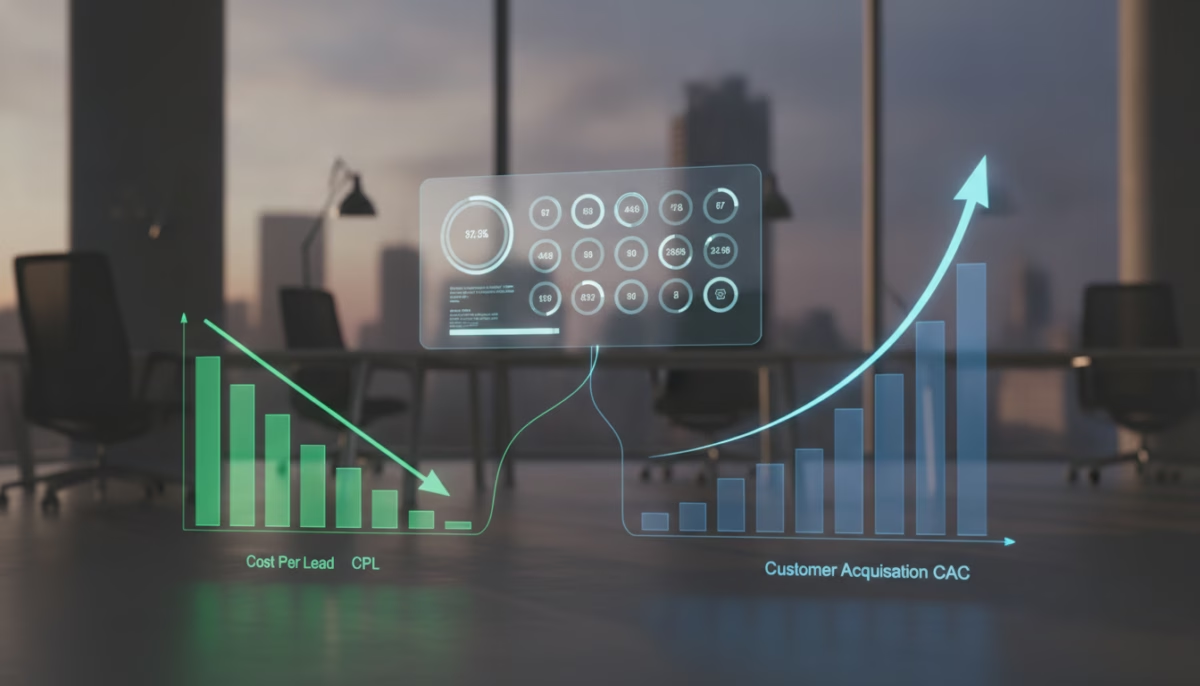
To continuously improve your lead conversion strategies, it’s crucial to track key performance indicators (KPIs) and metrics. These include lead conversion rate, cost per lead, cost per acquisition, lead-to-opportunity conversion rate, and sales cycle length. By monitoring these metrics, we can identify bottlenecks and systematically enhance our lead conversion rates.
Funnel analytics and conversion rate optimization (CRO) techniques, such as A/B testing and personalization, can be powerful tools in this process. These data-driven approaches allow us to pinpoint areas for improvement and make informed decisions to maximize the return on our sales and marketing investments.
Regular monitoring of these marketing funnel optimization, lead conversion metrics, and CRO strategies is the key to unlocking sustainable growth and converting more cold leads into loyal customers. By embracing a data-driven mindset, we can continually refine our processes and stay ahead of the competition.
Remember, optimizing your marketing funnels is an ongoing process, not a one-time fix. By consistently measuring, testing, and iterating, we can create a lead conversion machine that drives remarkable results for your business.
Conclusion
Converting cold leads into sales is a crucial aspect of growing a small business. By understanding the differences between cold and warm leads, we’ve learned how to implement effective strategies to nurture those cold leads and optimize our marketing funnels. Remember, success lies in continuously testing, refining, and adapting our approach based on insights gained from our conversion metrics.
If you need help increasing your sales, consider hiring Solved, a company that specializes in developing and executing customized lead conversion strategies for small businesses. Their expertise in lead conversion strategies, sales and marketing alignment, and proven track record can be invaluable in taking your business to the next level.
At the end of the day, with the right mindset, strategies, and support, we can turn our cold leads into a steady stream of warm, qualified prospects and drive the growth our small businesses deserve. Let’s continue to explore innovative ways to optimize our lead conversion processes and stay ahead of the competition.