
The Ultimate SEO Audit Checklist for Website Health

Measuring Content Marketing ROI: Strategies & Tools

Email marketing segmentation is a powerful strategy to maximize engagement and drive conversions. By dividing your email list into smaller, targeted segments based on specific criteria, such as demographics, preferences, or past behavior, you can personalize your messages and deliver highly relevant content to your audience.
Key Takeaways:
- Segmenting your email list allows you to deliver personalized and relevant content to your audience.
- Targeted emails based on segmentation can significantly increase engagement and open rates.
- Various types of segmentation, such as demographic, behavioral, and psychographic, can be used to create highly targeted campaigns.
- Collecting data through surveys and website analytics is essential for effective segmentation.
- Following best practices, such as creating well-defined segments and using automation, can optimize your email marketing campaigns.
Benefits of Email Marketing Segmentation
Email marketing segmentation offers several benefits for businesses. First and foremost, it allows you to increase engagement with your audience. By delivering highly targeted and personalized emails to each segment, you can capture their attention and make a meaningful connection. This personalized approach leads to higher open rates, click-through rates, and overall engagement.
Another significant benefit is the ability to achieve higher conversion rates. When you send relevant content to each segment, you are providing them with the information they are most interested in. This increases the likelihood of them taking the desired action, whether it’s making a purchase, signing up for a webinar, or downloading a resource. By tailoring your messages to the specific needs and preferences of each segment, you can drive more conversions.
An additional advantage of email marketing segmentation is the ability to track and analyze the performance of different segments. With the help of analytics tools, you can gain insights into how each segment is responding to your email campaigns. This data allows you to make data-driven decisions and refine your strategies to optimize results. By understanding the preferences, behaviors, and interests of your audience, you can continually improve your segmentation efforts and make your email marketing more effective.
Key benefits of email marketing segmentation:
- Increased engagement with personalized content
- Higher conversion rates with targeted messaging
- Track and analyze performance for optimization
Types of Email Marketing Segmentation
Email marketing segmentation is a powerful strategy that allows you to divide your audience into smaller, targeted segments based on specific criteria. By doing so, you can deliver highly relevant and personalized content to each segment, increasing engagement and driving conversions. In this section, we will explore the different types of email marketing segmentation that you can implement to enhance your campaigns.
Demographic Segmentation
Demographic segmentation involves dividing your audience based on characteristics such as age, gender, location, or income. This type of segmentation helps you tailor your messages to the specific needs and preferences of different demographic groups. For example, if you have a product that is more popular among women aged 18-25, you can create a segment specifically for this demographic and send them targeted emails featuring relevant offers and content.
Behavioral Segmentation
Behavioral segmentation focuses on the actions and interactions of your subscribers. By tracking their purchase history, website browsing behavior, or engagement with previous emails, you can create segments based on their specific behaviors. This allows you to send targeted emails that address their interests and needs. For instance, if a subscriber has previously purchased hiking gear from your website, you can create a segment for outdoor enthusiasts and send them emails featuring new hiking products or upcoming outdoor events.
Psychographic Segmentation
Psychographic segmentation considers the attitudes, interests, and lifestyles of your audience. This type of segmentation helps you understand their motivations and preferences on a deeper level. By analyzing data on their hobbies, values, or social media activities, you can create segments that align with their psychographic profiles. For example, if you run a fitness brand, you can create a segment for health-conscious individuals and send them emails containing workout tips, healthy recipes, and motivational content.
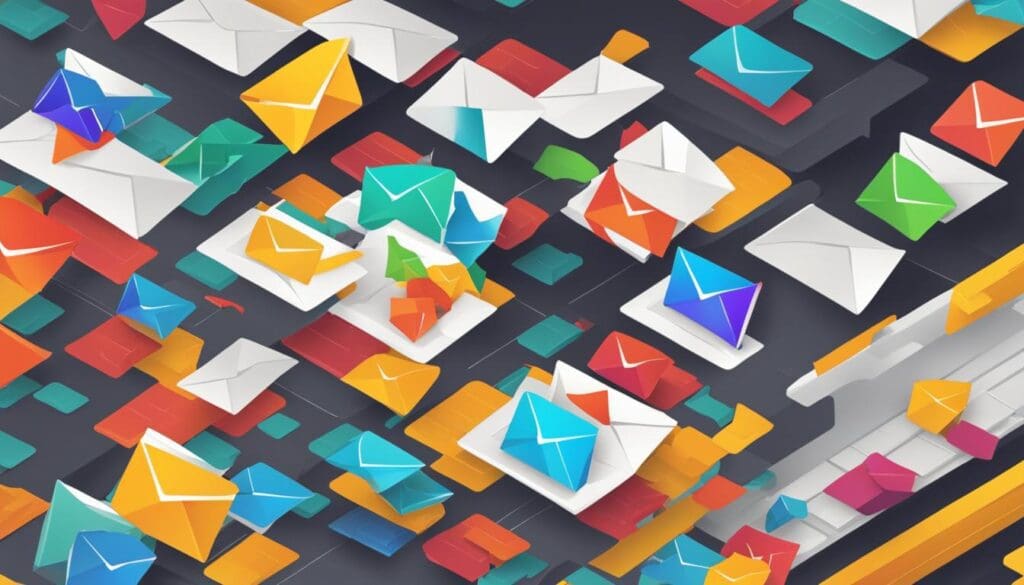
By combining these different types of segmentation, you can create highly targeted and personalized email campaigns that resonate with your audience. Remember to regularly review and refine your segmentation strategies based on the performance data to ensure ongoing success. In the next section, we will discuss the methods for collecting the data necessary for effective email marketing segmentation.
Collecting Data for Email Marketing Segmentation
To effectively implement email marketing segmentation, we need to collect relevant data about our subscribers. There are several methods that we can use to gather this data:
- Customer Surveys: Conducting surveys is a valuable way to directly gather information from our audience. We can create targeted surveys to collect data about their preferences, interests, and needs. By asking the right questions, we can gain valuable insights that will help us segment our email list effectively.
- Preference Centers: Implementing preference centers allows subscribers to update and provide their preferences on different topics such as content types, frequency, and specific product categories. This data can be used to create more personalized and relevant email campaigns.
- Website Analytics: Leveraging website analytics tools like Google Analytics can provide us with valuable data on user behavior, such as pages visited, time spent on site, and conversion rates. This information can help us understand our audience’s interests and preferences, enabling us to tailor our email content accordingly.
Customer Surveys
Customer surveys are a powerful tool for collecting data. By asking targeted questions, we can gain insights into our subscribers’ preferences, interests, and behaviors. Here are some tips for conducting effective customer surveys:
- Keep surveys short and concise to maximize completion rates.
- Ask both multiple-choice and open-ended questions to gather quantitative and qualitative data.
- Offer an incentive, such as a discount or free resource, to encourage participation.
Preference Centers
Preference centers allow subscribers to update their email preferences and provide additional information about their interests and preferences. Here’s how to create an effective preference center:
- Include a link to the preference center in every email.
- Provide clear instructions on how to update preferences.
- Ask for specific information that will help us better understand our subscribers and segment them appropriately.
Website Analytics
Website analytics provide valuable insights into our audience’s behavior on our website. Here’s how to leverage website analytics for email marketing segmentation:
- Identify top-performing pages and use them as a basis for segmenting subscribers with similar interests or behaviors.
- Track conversions and analyze the behavior of customers who have made a purchase.
- Use data on page views and time spent on site to identify the topics and content that resonate most with our audience.
Best Practices for Email Marketing Segmentation
Email marketing segmentation can be a powerful strategy for maximizing engagement and driving conversions. To ensure the effectiveness of your segmentation efforts, it’s important to follow best practices and utilize the right tools. Here are some key practices to consider:
Create Well-Defined Segments
Segment creation is crucial for effective email marketing segmentation. Take the time to define your segments based on relevant criteria such as demographics, preferences, or past behavior. By understanding your audience and dividing them into well-defined segments, you can tailor your messages and deliver highly relevant content.
Automate Your Email Campaigns
Automation is a game-changer when it comes to email marketing segmentation. Take advantage of automation tools to streamline the process of sending personalized emails to each segment. This not only saves time but also ensures consistency and accuracy in your campaigns. Automating your email marketing campaigns allows you to engage your audience at the right time with the right content, maximizing the impact of your segmentation strategy.
Implement A/B Testing
A/B testing is a valuable practice in email marketing segmentation. Experiment with different email content, subject lines, and calls to action for each segment. By testing and analyzing the performance of different variations, you can optimize your campaigns and identify what resonates best with each segment. A/B testing helps you refine your segmentation strategies and improve engagement and conversion rates.

Case Studies: Successful Email Marketing Segmentation Campaigns
Email marketing segmentation has proven to be a highly effective strategy for driving engagement, conversions, and ultimately, increased sales. Let’s take a look at some real-life case studies that showcase the success of email marketing segmentation campaigns.
Company X: Boosting Click-Through Rates with Demographic Segmentation
Company X implemented demographic segmentation to tailor their content specifically to each segment’s interests. By dividing their audience based on demographics such as age, gender, and location, they were able to send highly targeted emails. As a result, they saw a remarkable 200% increase in click-through rates. By delivering relevant content that resonated with each segment, Company X successfully engaged their audience and drove higher click-through rates.
Company Y: Personalized Recommendations Driving Sales
Company Y utilized behavioral segmentation to deliver personalized product recommendations based on individual preferences and purchase history. By analyzing their subscribers’ behavior and interactions, they were able to develop a deep understanding of their audience’s preferences. By implementing personalized recommendations, Company Y witnessed a significant 30% increase in sales. This demonstrates the power of leveraging email marketing segmentation to provide tailored content that drives conversions and boosts revenue.
Company Z: Nurturing Leads with Triggered Email Sequences
Company Z embraced triggered email sequences based on specific actions or milestones to nurture their leads and guide them through the customer journey. By sending timely and relevant emails at key touchpoints, they successfully engaged their audience and increased conversions. This approach allowed Company Z to build strong relationships with their subscribers, leading to significant growth in their customer base and increased sales.
These case studies demonstrate the significant impact that effective email marketing segmentation can have on driving engagement, conversions, and ultimately, increased sales. By implementing targeted and personalized strategies based on demographic and behavioral data, businesses can maximize the effectiveness of their email campaigns and achieve remarkable results.
Tips to Increase Sales with Email Marketing Segmentation
Want to boost your sales and drive more revenue with email marketing segmentation? We’ve got you covered. Here are some effective tips to help you increase sales through personalized email campaigns:
Create Personalized Offers
Segment your audience based on their preferences and past purchases, and then send tailored offers that resonate with each segment. By providing personalized discounts and promotions, you can make your subscribers feel valued and increase the likelihood of conversion.
Send Targeted Abandoned Cart Reminders
Many customers abandon their shopping carts before completing a purchase. To recover those lost sales, implement automated abandoned cart reminders. These emails can remind customers of the items they left behind and incentivize them to return and complete their purchase.
Utilize Dynamic Content for Recommendations
Take advantage of dynamic content to deliver personalized product recommendations to your subscribers. By showcasing products or services that align with their interests and purchase history, you can increase cross-selling and upselling opportunities, driving additional sales and revenue.
Implement Triggered Email Sequences
Set up triggered email sequences based on specific actions or milestones, such as signing up for a free trial or reaching a certain membership level. Nurturing leads through targeted emails at these crucial moments can significantly improve conversion rates and drive more sales.

By implementing these tips, you can leverage the power of email marketing segmentation to increase sales, drive revenue, and ultimately grow your business. Don’t miss out on the opportunity to engage your audience on a more personalized level and achieve higher conversion rates. Start implementing these strategies today and watch your sales soar!
Maximizing Engagement with Email Marketing Segmentation
To ensure the success of your email marketing segmentation strategies, it is crucial to focus on maximizing engagement with personalized content and compelling subject lines. By tailoring your emails to each segment’s interests and preferences, you can create a strong connection with your subscribers and drive higher open rates and click-through rates.
Engagement Strategies
- Create personalized email copy: Craft your messages to resonate with each segment, addressing their specific pain points, interests, and preferences. By showing that you understand their needs, you can build trust and engagement.
- Use dynamic content: Utilize dynamic elements in your emails, such as product recommendations or variations, based on each individual’s preferences. This personalization can significantly enhance the relevance of your emails and increase engagement.
- Segment-specific offers: Tailor your offers to each segment’s preferences and past behavior. By providing exclusive deals or personalized discounts, you can entice your subscribers to take action and engage with your emails.
Compelling Subject Lines
When it comes to email marketing segmentation, a compelling subject line is crucial to capture your subscribers’ attention and entice them to open your emails. Here are some tips for creating attention-grabbing subject lines:
- Personalize subject lines: Use the recipient’s name or segment-specific information in your subject line to make it more relevant and personalized.
- Create a sense of urgency: Incorporate time-limited offers or deadlines in your subject lines to create a sense of urgency and encourage immediate action.
- Keep it concise and intriguing: Use concise and intriguing language that sparks curiosity and makes your subscribers want to learn more.
In Summary
Maximizing engagement with email marketing segmentation requires a thoughtful approach to personalized content and compelling subject lines. By tailoring your emails to each segment’s interests, utilizing dynamic content, and creating attention-grabbing subject lines, you can significantly enhance engagement and drive better results for your email marketing campaigns.
Conclusion
Effective email marketing segmentation is the key to driving growth and maximizing conversions for your business. By implementing personalized strategies and delivering targeted content, you can engage your audience on a deeper level and create stronger relationships.
To unlock higher conversion rates and boost sales, start by dividing your email list into smaller, well-defined segments based on relevant criteria such as demographics, behavior, and psychographics. Use data collection methods like customer surveys and website analytics to gather insights into your audience’s preferences and interests.
Follow best practices such as segment creation, automation, and A/B testing to optimize your email marketing campaigns. Experiment with personalized offers, abandoned cart reminders, dynamic content, and triggered email sequences to increase sales and revenue for your business.
Don’t miss out on the opportunity to grow your business through effective email marketing segmentation. Start implementing these strategies today and watch your engagement rates soar. Contact us at Solved, the leading provider of digital marketing solutions, to get started and see the results for yourself.
FAQ
What is email marketing segmentation?
Email marketing segmentation is the practice of dividing your email list into smaller, targeted segments based on specific criteria, such as demographics, preferences, or past behavior.
What are the benefits of email marketing segmentation?
Email marketing segmentation allows you to deliver highly targeted and personalized emails, increasing engagement and open rates. It also helps build stronger relationships and drive higher conversion rates.
What types of email marketing segmentation can be used?
There are three common types of email marketing segmentation: demographic segmentation based on characteristics like age or location, behavioral segmentation based on actions and interactions, and psychographic segmentation based on attitudes and interests.
How can I collect data for email marketing segmentation?
You can collect relevant data about your subscribers through customer surveys, preference centers, or by leveraging website analytics to track user behavior and preferences.
What are some best practices for email marketing segmentation?
Best practices include creating well-defined segments, using automation tools, regularly analyzing and optimizing strategies, and conducting A/B testing to experiment with different content and subject lines.
Can you provide any successful case studies of email marketing segmentation?
One example is Company X, which increased their click-through rates by 200% with demographic segmentation. Company Y saw a 30% increase in sales with personalized product recommendations based on preferences and purchase history.
How can I increase sales with email marketing segmentation?
You can increase sales by using personalized offers and discounts, sending targeted abandoned cart reminders, utilizing dynamic content for personalized recommendations, and implementing triggered email sequences for lead nurturing.
How can I maximize engagement with email marketing segmentation?
Focus on creating personalized and compelling content for each segment, tailor your email copy and offers to match their interests, use dynamic content for product recommendations, and craft attention-grabbing subject lines to increase open rates.
What should I do next to get started with email marketing segmentation?
Contact Solved, the leading provider of digital marketing solutions, to get started and see the results for yourself.