
Using Social Media Analytics to Optimize Your Marketing Strategy

How AI is Revolutionizing Marketing for Small Businesses
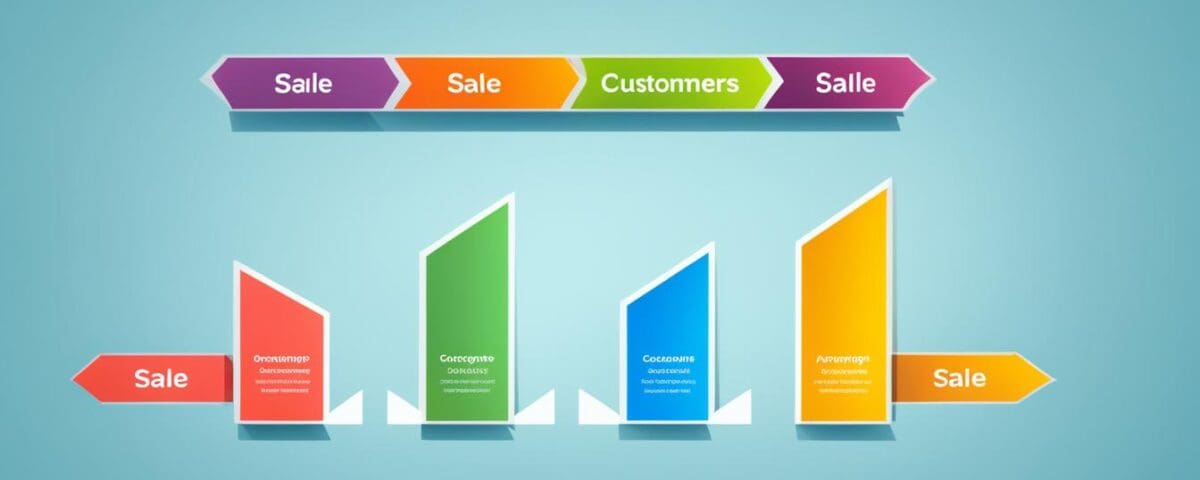
The strength of a company’s sales funnel can decide if it thrives or fails. Originally, the sales path was simple, from knowing about a product to buying it. But today, buying something is a winding road with many off-ramps. This change means sales methods have to transform to match the new buyer journey.
The sales funnel visually shows how a customer goes from first contact to completing a purchase. It used to be the go-to for many sales teams to plan their strategy. But buyers now want more say in the buying process. This shift has led some businesses to switch to the flywheel model. This newer approach aims to create a cycle where happy buyers become promoters.
Key Takeaways
- The sales funnel has been a key component for companies over the past fifty years in closing deals and generating revenue.
- A well-designed sales funnel helps quantify the value of future sales and allows teams to calculate the number of deals necessary to exceed sales quotas.
- Customer journey detours and evolving sales landscapes necessitate a reinvention of the sales funnel or adoption of alternatives to adapt to modern buyers.
- The probability of closing a sale changes as the deal moves through various phases of the sales funnel, with a higher likelihood of success as more information is exchanged and the benefits of the product become apparent to the customer.
- Social proof is crucial in the sales process, with customer reviews being significantly more trusted than manufacturer descriptions, making social media a powerful tool for creating social proof.
Understanding the Concept of Sales Funnels
A sales funnel shows how customers move from being interested to making a purchase. It’s like a journey from first contact to buying something. As people go through the funnel, they get closer to buying. Starting with many potential customers, it ends with just some making a purchase.
In the middle part of the customer journey, the number of possible buyers gets smaller. The sales process finishes with a successful or unsuccessful sale. As a customer learns more and sees the benefits, the likelihood of buying increases.
The Importance of Sales Funnels for Small Businesses
Sales funnels are essential for small businesses. They help create a clear sales path and understand which efforts lead to sales. Knowing this, small businesses can show why their product or service is the best choice. This can help them stand out from competitors.
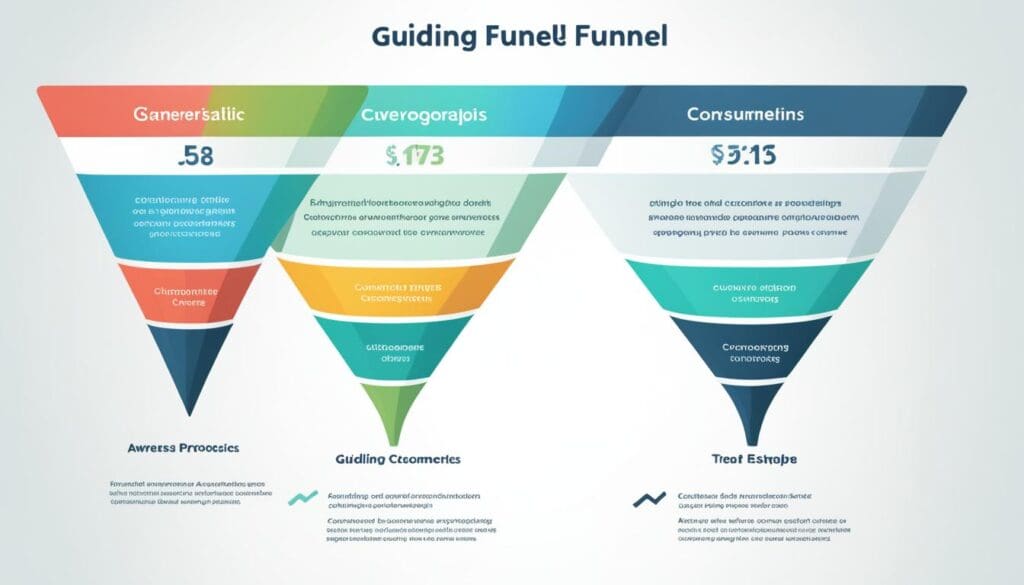
Sales Funnels: Stages and Elements
The sales funnel has three main stages: awareness, consideration, and decision. These steps show how potential customers move from learning about a product to buying it.
The Top of the Funnel: Awareness Stage
At the funnel’s top is the awareness stage. Here, potential customers spot a brand and start looking into what it offers. Marketers aim to draw in these customers using blog posts, emails, social media, and the website. They want to make the brand more visible and get people interested in what’s for sale.
The Middle of the Funnel: Consideration Stage
In the middle is the consideration stage. Now, leads have more interest and are choosing what might meet their needs. Sales teams look at tools and scores to decide who to focus on helping next. At this point, customers are comparing products and gathering info to make a smart choice.
The Bottom of the Funnel: Decision Stage
At the bottom is the decision stage. This is when a customer is ready to buy. Here, businesses work hard to stand out and show why they’re the best pick. They use detailed info, like FAQs and product videos, to show their value and convert buyers.
Key Elements of an Effective Sales Funnel
Creating a powerful sales funnel means understanding the stages and pieces that make it work. Matching the funnel to the customer’s journey helps guide them. It also helps solve their needs and make their buying experience great.
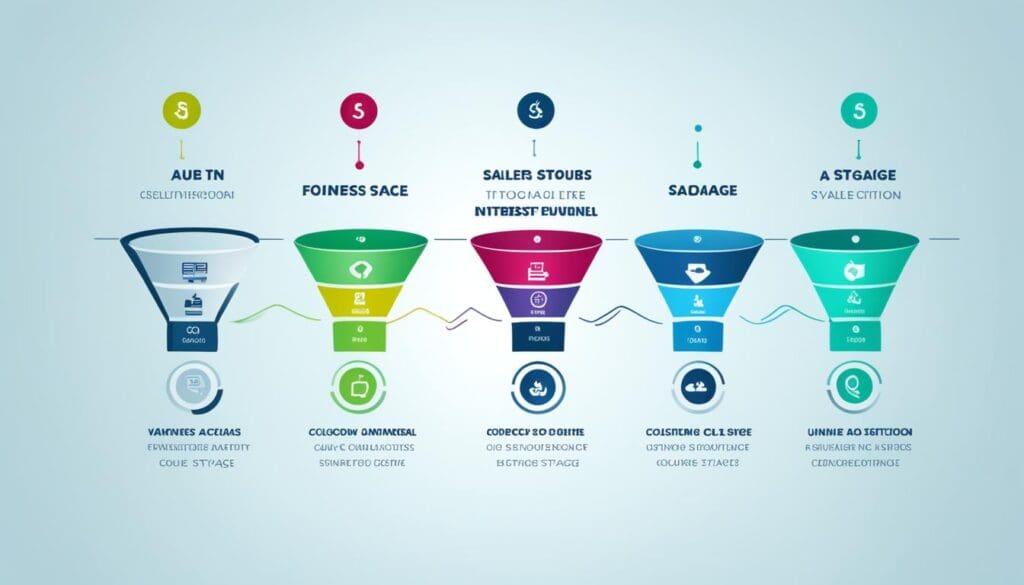
Creating a Winning Sales Funnel Strategy
First, we need to understand what our customers need and want. We do this by figuring out their pain points and what they care about. Once we know our goals, like getting more leads or making sales, we can build a plan. This plan will help guide people from just looking to buying.
Defining Your Target Audience and Their Pain Points
Knowing the details about your customers, such as their age and where they live, is key. Create a customer profile to see what they need. Then, offer solutions to their problems. This will draw them in and keep them moving through the sales funnel.
Developing Compelling Lead Magnets
Offer something valuable, like a free trial or an ebook, in return for their email. These freebies should help with their pain points. It gives people a reason to learn more about your business.
Nurturing Leads Through Email Campaigns
Keep in touch with your leads through email. Use data to see what’s working and what’s not. This way, you can make your emails better and keep your leads interested.
Optimizing Your Website for Conversions
Make your website easy for visitors to become customers. Have clear actions for them to take. Also, show that other customers trust you. Keep an eye on what’s working on your site to make improvements.
Sales Funnels and the Customer Journey
The way buyers find and choose products is not simple. They take different paths. It’s important to look at how customers move from not knowing about your product to buying it. Knowing this, we can make it easier for them to buy by fixing any problems they might face.
Mapping the Customer Journey
We need to see the journey our customers take. From first learning about us to choosing us, each step is vital. This way, we know where they might get stuck. When we understand their full journey, we can set up our sales process to fit them perfectly.
Aligning Your Sales Funnel with the Customer Journey
Understanding the customer’s path helps us make our sales process match. We can tweak our messages to fit what each customer needs. This means we help them through their doubts or questions, making it easier for them to buy.
Leveraging Customer Feedback and Reviews
Listening to customers is key to make our sales process better. Happy customers show new buyers we’re good. And if we know why some people don’t buy, we can fix that. This way, we make the whole buying experience better for everyone.
Conclusion
Creating a strong sales funnel is vital for small businesses. This helps them convert more leads into sales. By knowing the stages of the sales funnel and crafting a sound plan, companies can show the worth of their offerings. This makes customers pick them over others.
At Solved, our team works hard to help small companies flourish. We offer expert advice on sales funnel setup and improving websites. If boosting your sales is your goal, contact us today.
This article offers key insights for small businesses. Using these practices, companies can maximize their sales funnel‘s power. Our aim is to provide you with skills and tools to meet customer needs effectively. This results in a sales funnel that brings ongoing success to your small business.