
Effective Customer Retention Strategies for Small Businesses

Building Customer Loyalty Through Effective Sales Techniques

As a small business owner, leveraging LinkedIn ads can be a powerful way to reach your target audience and drive results for your B2B marketing efforts. LinkedIn is a professional social network with over 850 million members worldwide, offering a unique platform to connect with potential customers and grow your small business. In this comprehensive guide, we’ll explore the key strategies and tactics for creating effective LinkedIn ads that can help you achieve your ad campaign goals.
Key Takeaways
- LinkedIn offers a variety of ad formats, including Sponsored Content, Text Ads, and Sponsored Messaging, to help you reach your target audience effectively.
- Leveraging LinkedIn’s robust targeting capabilities, such as Predictive Audiences and Audience Insights, can help you connect with the right prospects for your small business.
- Crafting compelling ad copy and visuals that resonate with your audience is crucial for driving engagement and conversions.
- Continuously monitoring and optimizing your LinkedIn ad campaigns based on performance data can help you achieve better results over time.
- Implementing best practices, such as A/B testing and leveraging first-party data, can further enhance the effectiveness of your LinkedIn ads.
Understanding the Importance of LinkedIn Ads
LinkedIn is a unique professional social network that caters to a discerning audience. Unlike other social media platforms, LinkedIn users are primarily in a professional mindset, using the platform for networking, job search, and career-related activities. This makes LinkedIn an attractive advertising platform for small businesses seeking to reach a highly engaged, professional audience.
LinkedIn: A Professional Social Network
LinkedIn boasts over 810 million users, with 65 million of them holding decision-making positions, making it a valuable platform for businesses. LinkedIn users are typically older and have a higher income compared to other social media platforms. They are also more likely to be in decision-making roles within their organizations, making them valuable targets for B2B marketing efforts.
Unique Audience and Mindset
- LinkedIn has a potential audience of nearly 810 million members worldwide.
- The platform offers various ad types for campaigns such as sponsored content, lead gen forms, sponsored messaging, and text and dynamic ads.
- The average cost-per-click (CPC) on LinkedIn ranges between $5-6, with pricing depending on factors like ad type, targeting, and campaign performance.
Understanding the unique mindset and behaviors of the LinkedIn audience is crucial for crafting effective ad campaigns that resonate with this professional demographic.
Setting Up Your LinkedIn Ad Campaign
When it comes to LinkedIn advertising, the first step is to define your campaign objectives. LinkedIn offers a range of goals, from boosting brand awareness to driving website traffic, generating leads, or even collecting job applications. Carefully selecting the right campaign objective is crucial to ensure your ads are optimized for the desired business outcomes.
Choosing the Right Campaign Objective
LinkedIn’s ad platform provides several campaign objective options, each tailored to specific marketing goals. Whether you aim to increase brand visibility, attract website visitors, generate qualified leads, or encourage job applications, LinkedIn has the tools to help you achieve your objectives. By aligning your LinkedIn ad campaign with the right objective, you can maximize the impact and effectiveness of your advertising efforts.
Targeting the Ideal Audience
Effective targeting is the key to success in your LinkedIn ad campaign. LinkedIn’s robust targeting capabilities allow you to reach your ideal audience based on factors such as job title, industry, company size, skills, and interests. By carefully selecting your target audience, you can ensure your ads are served to the right people who are more likely to engage with your offerings. This precision targeting can significantly enhance the performance and return on investment (ROI) of your LinkedIn advertising strategy.
From defining your campaign objectives to leveraging LinkedIn’s advanced targeting options, setting up a successful LinkedIn ad campaign requires a strategic approach. By understanding these critical elements, you can unlock the full potential of this powerful professional social network and drive meaningful results for your small business.
Crafting Compelling Ad Copy
When it comes to LinkedIn ads, the key to capturing your audience’s attention lies in crafting compelling ad copy. As professionals on LinkedIn are often in a focused, task-oriented mindset, your ad copy needs to be clear, direct, and value-driven. Avoid overly promotional or salesy language and instead focus on highlighting the benefits your offering can provide.
Clarity and Directness
LinkedIn users value straightforward, informative messaging. Your ad copy should clearly communicate the value proposition of your product or service, using concise and easy-to-understand language. Effective headlines often include numbers, questions, or compelling adjectives, which can lead to higher user engagement.
Utilizing Bullet Points and Emojis
Formatting your LinkedIn ad copy with bullet points and strategic use of emojis can help improve readability and make your ads more visually appealing. Bullet points allow you to break down your message into bite-sized, easy-to-digest information, while emojis can help draw the viewer’s eye and add a touch of personality to your ads. However, it’s important to use these elements sparingly and in a professional manner.
By focusing on clarity, directness, and strategic use of formatting, you can craft LinkedIn ad copy that resonates with your target audience and drives them to take the desired action. Continuous testing and optimization of your ad copy can lead to improved performance over time.
Designing Visually Appealing LinkedIn Ads
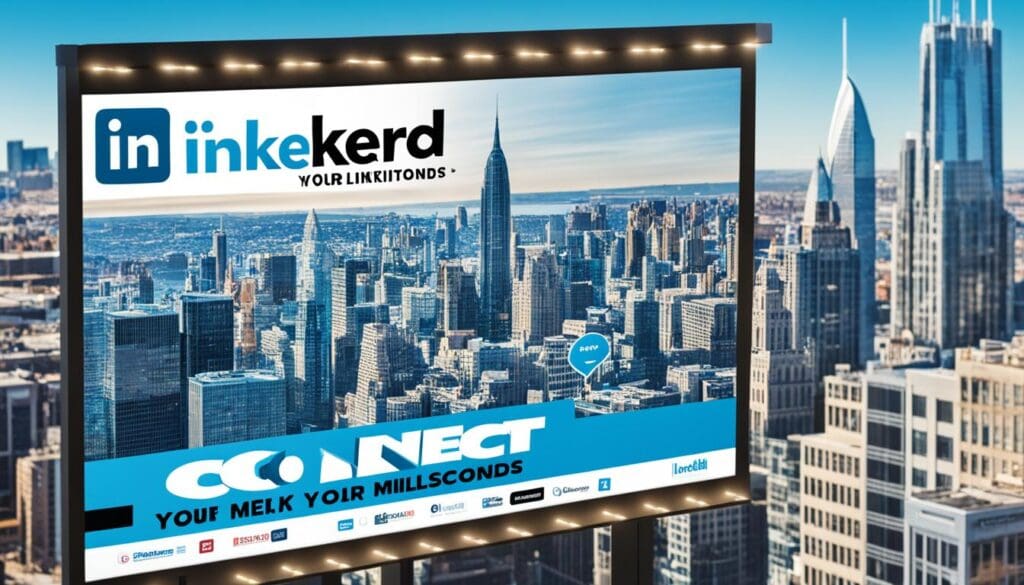
When it comes to LinkedIn ads, the visual elements play a crucial role in capturing your audience’s attention. Ensuring your ads adhere to LinkedIn’s recommended image dimensions is essential for proper display across desktop and mobile devices. For single-image ads, a 1200×627 or 1200×1200 aspect ratio is recommended, while carousel ads work best with 1080×1080 images.
Beyond optimizing the image dimensions, incorporating contrasting colors and eye-catching visuals can make your LinkedIn ads stand out in the feed. The LinkedIn platform is predominantly blue and gray, so incorporating vibrant colors that complement your brand and messaging can help your ads grab the attention of users. Avoid using busy or cluttered visuals, and instead focus on clean, simple designs that convey your key message effectively.
Optimizing Image Dimensions
- Single-image ads: 1200×627 or 1200×1200 aspect ratio
- Carousel ads: 1080×1080 images
- Profile pictures: 400×400 pixels, 1:1 aspect ratio
- Video ads: Less than 200 MB, 9:16 to 16:9 aspect ratio
Contrasting Colors and Eye-Catching Visuals
The LinkedIn platform is predominantly blue and gray, so incorporating vibrant colors that complement your brand and messaging can help your ads stand out. Avoid using busy or cluttered visuals, and instead focus on clean, simple designs that convey your key message effectively.
By optimizing your LinkedIn ad design, including the right image dimensions and using eye-catching visuals, you can create ads that truly capture the attention of your target audience and drive meaningful engagement on the platform.
LinkedIn Ads Bidding and Optimization
As a small business owner, effectively managing your LinkedIn ad bidding and optimization is crucial for maximizing the performance of your campaigns. LinkedIn uses an auction-based system for ad pricing, where the winning bid is not necessarily the highest, but the one that provides the most value to the platform.
When it comes to LinkedIn ad bidding, you have several options to consider. You can choose from manual bidding, maximum delivery (automated bidding), target cost, or enhanced bidding. Each strategy offers unique features and benefits, and the right choice will depend on your campaign objectives, audience size, budget, and other factors.
- Manual bidding gives you more control over your bids, allowing you to set the exact amount you’re willing to pay for each key result, such as website visits or lead generation.
- Maximum delivery (automated bidding) is charged by impressions (CPM) and doesn’t allow you to set a bid or cost cap, but it can help you maximize your reach and delivery.
- Target cost bidding lets you set a cost per key result, and LinkedIn’s algorithm will adjust your bids to achieve that target.
- Enhanced bidding is an automated option that uses LinkedIn’s algorithm to optimize your bids based on various factors, including your campaign objectives and historical performance.
Regardless of the bidding strategy you choose, it’s essential to closely monitor your LinkedIn ad bidding and campaign optimization efforts. By regularly reviewing your key metrics, such as cost per click (CPC), cost per impression (CPM), and return on investment (ROI), you can make informed decisions about adjusting your bids, budgets, and targeting to improve your campaign’s performance.
Remember, the higher your bid or cost cap, the more competitive your ads will become, increasing the likelihood of hitting your campaign goals and fully utilizing your budget. By finding the right balance between your bidding strategy and optimization efforts, you can drive more qualified leads and grow your small business through the power of LinkedIn advertising.
Measuring and Tracking LinkedIn Ad Performance
Tracking the performance of your LinkedIn ad campaigns is crucial for understanding their effectiveness and making informed decisions about future optimizations. By closely monitoring key metrics like impressions, clicks, click-through rate (CTR), cost-per-click (CPC), and social actions, you can identify which ad variations are resonating with your target audience and make adjustments to improve the overall LinkedIn ad performance.
Key Metrics to Monitor
- Impressions: The number of times your ad is shown to users on LinkedIn.
- Clicks: The number of times users click on your ad.
- Click-Through Rate (CTR): The percentage of impressions that resulted in clicks.
- Cost-Per-Click (CPC): The average cost you pay for each click on your ad.
- Social Actions: Likes, shares, and comments on your ad, indicating engagement.
Refining and Adjusting Campaigns
Ongoing optimization and refinement are essential for maintaining the effectiveness of your LinkedIn ad campaigns. Regularly review your campaign performance data and make adjustments to elements such as targeting, ad copy, visuals, and bidding strategies. This will help you continuously improve the LinkedIn ad optimization and ensure your ads are reaching the right audience with the most compelling messaging.
By closely monitoring these key metrics and making data-driven adjustments to your LinkedIn ad campaigns, you can maximize the return on your advertising investment and drive better results for your small business.
LinkedIn Ads Tips and Best Practices
As you navigate the world of LinkedIn advertising, there are a few essential tips and best practices to keep in mind. First and foremost, it’s crucial to maintain a professional tone in your ad copy. While it’s tempting to go for a more casual approach, LinkedIn users typically respond better to content that exudes a sense of authority and expertise.
Secondly, try to avoid excessive use of uppercase letters and emojis. These can come across as overly aggressive or spammy, which can negatively impact your ad’s performance. Instead, focus on crafting clear, concise, and compelling messages that resonate with your target audience.
Another key consideration is aligning your ad copy and landing pages for a seamless user experience. Ensure that the messaging and visuals are consistent across all touchpoints, as this will help build trust and encourage conversions.
- Use a professional tone in your ad copy
- Limit the use of uppercase letters and emojis
- Align your ad copy and landing pages for a cohesive experience
By staying up-to-date with the latest LinkedIn ads best practices and ad tips, you can maximize the impact of your campaigns and drive tangible results for your small business. Remember, the key to success on LinkedIn is to consistently provide value and engage with your target audience in a meaningful way.
Conclusion
In conclusion, leveraging LinkedIn ads can be a powerful way for small businesses to reach a highly engaged, professional audience and drive results for their marketing efforts. By understanding the unique characteristics of the LinkedIn platform, setting up effective ad campaigns, creating compelling ad content, and continuously optimizing your efforts, we can unlock the full potential of LinkedIn advertising to grow your small business. If you need help with your LinkedIn ad strategy and implementation, consider reaching out to our team at Solved to explore how we can assist you.
LinkedIn ads offer small businesses the opportunity to connect with a targeted, professional audience and generate valuable leads and conversions. By crafting compelling ad copy, designing visually appealing ads, and utilizing the platform’s advanced targeting capabilities, you can effectively promote your products or services to the right people. Additionally, by closely monitoring your ad performance and making data-driven adjustments, you can continuously refine your LinkedIn advertising strategy for optimal results.
Whether you’re looking to increase brand awareness, drive website traffic, or generate sales leads, LinkedIn ads can be a strategic part of your small business marketing mix. By leveraging the power of this professional social network, you can reach your target audience, build meaningful connections, and ultimately, achieve your business goals. Let’s work together to maximize the impact of your LinkedIn advertising efforts and take your small business to new heights.