
Building Customer Loyalty Through Effective Sales Techniques

How to Use Schema Markup to Improve Your SEO

Artificial Intelligence continues solidifying itself as a crucial tool within the marketing industry, especially regarding automation. In fact, the market for artificial intelligence in marketing is expected to grow to more than $107.5 billion by 2028 — a huge leap from $15.84 billion in 2021. AI uses machine learning to mimic how humans learn and improve accuracy by analyzing large stacks of data. When applied to marketing automation, AI analyzes vast data sets to pinpoint patterns, predict customer behavior, and make immediate decisions. This gives marketers the time and space to focus on other aspects of their job, such as brainstorming and strategizing. Companies that implement AI in marketing see an average increase in ROI of up to 30%, according to a study by Accenture.
Key Takeaways
- The market for AI in marketing is expected to grow significantly in the coming years.
- AI can help automate various marketing tasks, such as data analysis and decision-making.
- Implementing AI in marketing can lead to a substantial increase in ROI.
- AI allows marketers to focus on more strategic and creative aspects of their work.
- Understanding the role of AI in marketing automation is crucial for staying competitive in the industry.
The Role of AI in Marketing Automation
As AI and machine learning continue to revolutionize various industries, the world of marketing is no exception. The integration of AI into marketing automation is transforming the way businesses approach their strategies, optimize their processes, and deliver personalized experiences to their customers.
AI Improving SEO and Content Quality
One of the key areas where AI is making a significant impact is in search engine optimization (SEO) and content creation. By analyzing vast amounts of data, AI algorithms can identify patterns, predict user behavior, and optimize content to improve its visibility and relevance. AI-powered tools can assist in keyword research, content generation, and real-time content optimization, helping marketers create more effective and engaging content that resonates with their target audience.
According to a Semrush report, 65% of marketers said that their SEO has improved due to AI, while 68% of businesses reported better content marketing ROI. This highlights the transformative power of AI in marketing, as it empowers marketers to create high-quality, data-driven content that outperforms traditional methods.

Beyond content optimization, AI also plays a crucial role in data analysis and machine learning within marketing automation. By processing and interpreting large datasets, AI can uncover valuable insights, predict customer behavior, and make real-time decisions that enhance the overall marketing strategy.
AI Tools in Marketing
In today’s digital landscape, AI-powered marketing automation is revolutionizing how we approach marketing. These advanced AI marketing tools are streamlining processes, freeing up valuable time for marketers to focus on strategic planning and ideation. One area where AI is truly shining is in the personalization of marketing campaigns.
Personalization of Marketing Campaigns
AI algorithms can analyze customer data, identify patterns, and predict future behaviors, allowing marketers to deliver highly personalized content and offers. For example, Whole Foods leverages AI to provide customers with personalized messaging based on their purchase history and preferences. This not only enhances the customer experience but also drives higher engagement and conversions.
In fact, studies show that 71% of consumers want to have personalized experiences with brands, and 76% of consumers get frustrated when they don’t receive personalization. By tapping into AI marketing tools, marketers can segment their audience more effectively, identify new responsive subsets, and tailor their communications accordingly. This level of personalization is crucial in today’s competitive landscape, where customers expect a tailored and relevant brand experience.
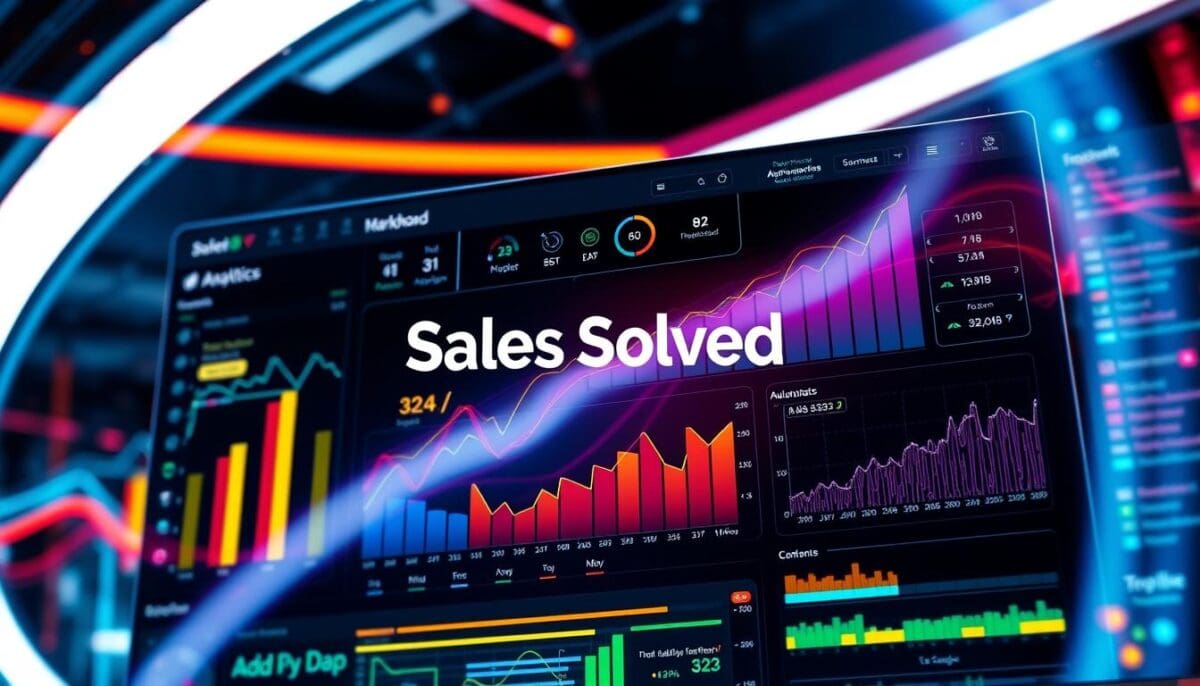
AI-powered marketing automation is a game-changer, empowering marketers to optimize their campaigns, personalize their outreach, and ultimately, deliver better results for their businesses. By embracing these AI marketing tools, we can unlock new opportunities to connect with our customers in a more meaningful and impactful way.
Conclusion
Artificial Intelligence has been a buzzword for quite some time, but its real potential is only now being realized in marketing automation. AI-powered marketing automation has revolutionized the way businesses interact with their customers, allowing marketers to deliver personalized experiences at scale. As a result, revenue from AI software is expected to reach $126 billion by 2024, with machine learning, a subset of AI, projected to have the highest growth rate in the marketing sector.
The more we understand about AI marketing automation, the better equipped we will be to incorporate it into our marketing strategy and stay ahead of the competition. By embracing the power of AI, we can optimize our campaigns, personalize our outreach, and streamline our processes, ultimately driving better results and enhancing our customer relationships.
The future of marketing automation lies in the continued adoption and integration of AI technologies. As the industry evolves, we must stay informed about the latest marketing automation trends, AI adoption rates, and the future of AI in marketing. By doing so, we can position our businesses for success and capitalize on the transformative potential of this powerful technology.