
The Top Marketing Automation Tools to Save You Time and Boost Sales

How AI Can Improve Your Google Ads Performance
When it comes to growing your small business, choosing the right marketing strategy can be a game-changer. At Solved, we often hear questions about whether paid ads or organic marketing is the better choice. Both approaches have their unique benefits, but understanding their differences is key to making an informed decision.
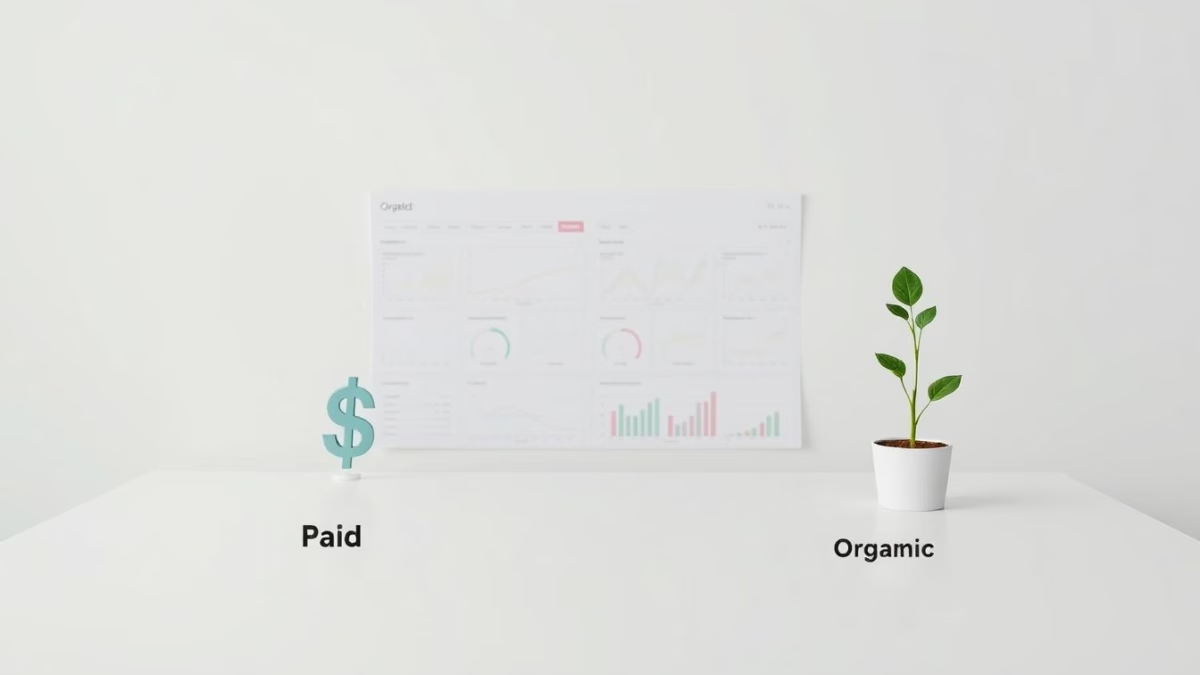
Organic marketing focuses on non-paid efforts like SEO, content creation, and social media posts. It builds credibility over time and drives long-term results. On the other hand, paid marketing involves campaigns that require a budget, such as PPC or sponsored posts, offering immediate exposure and quicker returns.
While both strategies aim to increase brand awareness and drive traffic, they cater to different goals and timelines. The real power lies in combining both methods for a balanced approach. At Solved, we believe in helping small businesses like yours navigate these options and create a strategy that fits your needs.
Let’s explore concrete examples and data-driven insights to help you decide. Whether you’re aiming for long-term growth or quick wins, Solved is here to guide you in boosting your sales and elevating your marketing strategy.
Key Takeaways
- Understand the differences between paid ads and organic marketing to make informed decisions.
- Organic marketing builds credibility and drives long-term results through SEO and social media.
- Paid marketing offers immediate exposure and faster returns through targeted campaigns.
- Combining both strategies can maximize benefits for small businesses.
- Solved is here to help you boost sales and navigate marketing challenges.
Introduction: Setting the Stage for Small Business Growth
For small businesses aiming to thrive in today’s competitive landscape, a well-crafted marketing strategy is essential. At Solved, we specialize in helping businesses like yours navigate the complexities of digital growth.
Why a Solid Marketing Strategy Matters
A clear marketing strategy serves as the backbone of your business’s growth. It helps you connect with your target audience effectively and ensures your message resonates across various media channels.
Understanding both organic social and organic paid approaches is crucial. Organic efforts build long-term credibility, while paid campaigns offer immediate visibility. Together, they create a balanced approach that drives sustainable growth.
Platforms like social media and search engines are pivotal in reaching your audience. By leveraging these social media platforms, you can tailor your strategy to meet the unique needs of your business, whether through organic engagement or targeted paid campaigns.
At Solved, we believe in empowering small businesses with the insights they need to make informed decisions. Whether you’re focused on long-term growth or immediate results, a well-rounded strategy is your key to success.
Understanding Organic Marketing Strategies
In today’s fast-paced digital world, small businesses need effective ways to connect with their audience. Organic marketing stands out as a powerful, low-cost approach that delivers long-term value.
Defining Organic Marketing in Today’s Digital Age
Organic marketing is all about creating value without spending on ads. It’s like planting a seed and watching it grow. By sharing high-quality content—like blog posts, videos, and social media updates—businesses can attract visitors naturally.
This approach builds trust and credibility over time. It’s like word-of-mouth but online, where your audience shares your content because they find it valuable.
Leveraging SEO and Social Media for Lasting Impact
SEO is a key part of organic marketing. By optimizing your content for search engines, you can rank higher and get more visibility. Tools like Google Analytics help track what’s working and what’s not.
- Quality content boosts your search rankings.
- Engaging on social media builds strong customer relationships.
- Consistent effort leads to measurable results over time.
For example, a blog post that ranks well can drive traffic for years. Social media engagement creates loyal followers who trust your brand.
At Solved, we help businesses grow through these organic strategies. Our insights guide you to create content that resonates and drives real results.
Unpacking Paid Marketing Strategies
Paid marketing is a powerful tool for small businesses looking to achieve quick results. It involves investing in platforms like Google, Facebook, and LinkedIn to drive immediate traffic and conversions.
Exploring Paid Advertising Channels
There are several paid advertising channels to consider. Pay-per-click (PPC) ads appear at the top of search engine results, while sponsored posts on social media platforms help you reach a specific audience. Both strategies ensure your brand gets noticed right away.

For example, a well-targeted PPC campaign can start driving traffic to your website within hours. Similarly, sponsored posts on platforms like Facebook or LinkedIn can increase your brand’s visibility almost immediately after launch.
Understanding Sponsored Advertising and PPC
Sponsored advertising and PPC are popular forms of paid marketing. They allow you to target specific audiences based on demographics, interests, or search behavior. This precise targeting leads to higher engagement and better conversion rates.
- PPC ads are cost-effective because you only pay when someone clicks.
- Sponsored posts on social media platforms like Facebook or LinkedIn can increase brand awareness and drive traffic.
- Understanding metrics like cost-per-click (CPC) and keyword bidding is crucial for optimizing your campaigns.
While organic marketing builds credibility over time, paid strategies offer immediate results. By combining both approaches, small businesses can achieve a balanced marketing strategy that drives both short-term and long-term success.
Paid Advertising vs. Organic Marketing: Key Differences
Choosing the right approach for your small business can make all the difference. Let’s dive into the key differences between paid advertising and organic marketing.
Trust Factor Versus Instant Results
Organic marketing builds trust over time through natural engagement. It’s like earning a reputation by consistently delivering valuable content, such as blog posts or social media updates. This approach creates a loyal audience who trusts your brand.
Paid advertising, on the other hand, delivers quick results. A well-targeted campaign can drive traffic and conversions almost immediately. It’s perfect for short-term promotions or launching new products.
- Organic content, like a blog post, can attract visitors for years.
- Paid ads stop when the budget runs out, but they provide instant visibility.
The choice depends on your goals. If you need fast results, paid advertising is the way to go. For long-term growth, organic marketing is the better option. Combining both strategies can give you the best of both worlds.
Leveraging Digital Marketing Channels
Small businesses can significantly boost their online presence by selecting the right digital marketing channels. Whether it’s through social media or search engines, understanding where your audience spends their time is crucial for effective outreach.
Choosing the Right Social Media and Search Platforms
Identifying the platforms where your target audience is most active is key. For instance, visual industries might thrive on Instagram, while B2B companies could find more success on LinkedIn. Similarly, Google Ads can help capture search intent for specific keywords. At Solved, we specialize in helping businesses pinpoint these channels to maximize their reach.
Keyword Strategies for Reaching Your Target Audience
Keyword research is essential for both organic content and paid advertising campaigns. Tools like Google Keyword Planner can help identify high-value keywords that attract your target audience. For example, focusing on long-tail keywords can drive more specific traffic to your site. Balancing paid advertising with organic content ensures sustained growth and immediate results.
- Use analytics tools to track campaign performance and adjust strategies accordingly.
- Combine paid tactics with organic efforts for a balanced approach.
- Let Solved guide you in selecting the right platforms and keywords for optimal results.
By leveraging the right platforms and proper keyword research, small businesses can enhance their campaign effectiveness and achieve their goals.
Balancing Long-Term Growth and Immediate Results
Every small business wants to see results, but some strategies take time to bloom. While quick wins are tempting, building a solid foundation for lasting success is equally important. This is where organic marketing shines.
Organic Marketing’s Evergreen Value
Organic marketing is like planting a tree—it needs time and care to grow, but it provides shade for years. By investing in high-quality content and SEO, businesses create assets that keep giving. A well-optimized blog post can attract visitors for years, just like a video that stays relevant over time.

- Evergreen content continues to engage new customers long after it’s published.
- Regular SEO efforts keep your content fresh and relevant.
- Updating old posts helps them stay useful in changing markets.
At Solved, we guide businesses in building these lasting resources. While quick results are great, organic marketing lays the groundwork for steady growth. It’s about nurturing relationships and creating content that keeps on giving.
Integrating Both Strategies for Maximum Impact
Combining organic and paid strategies creates a powerful synergy that elevates your small business’s digital presence. By merging these tactics, you can achieve outcomes that surpass what each approach could deliver alone.
Combining Organic and Paid Tactics Effectively
The integration of organic and paid strategies allows businesses to cover more ground in their marketing efforts. Organic tactics, such as SEO and social media engagement, build lasting trust and brand awareness. Paid strategies, like targeted ads, provide immediate visibility and drive quick conversions. Together, they create a balanced approach that supports both long-term growth and short-term gains.
- Use retargeting ads to re-engage users who interacted with your organic content.
- Enhance your SEO efforts with paid campaigns to dominate search engine results.
- Leverage data from paid ads to refine your organic content strategy.
For instance, a well-crafted blog post (organic) can be amplified with paid promotions to reach a broader audience, driving more traffic to your website and increasing user engagement.
Monitoring Performance Through Data Analytics
Data analytics is crucial for tracking the effectiveness of both strategies. By monitoring key metrics, you can identify what’s working and make informed adjustments. Tools like Google Analytics provide insights into how users interact with your content and ads, helping you optimize your tactics for better results.
- Track metrics like click-through rates, conversion rates, and cost-per-click for paid campaigns.
- Analyze organic performance through metrics like search rankings and social media engagement.
- Use A/B testing to refine your approach and improve campaign efficiency.
Continuous monitoring ensures your strategies stay aligned with your business goals, fostering stronger relationships with your audience and driving sustained growth.
At Solved, we specialize in helping small businesses seamlessly integrate these strategies. Let us guide you in creating a cohesive plan that enhances your brand awareness, builds meaningful relationships, and drives consistent traffic to your website. With the right mix of tactics and continuous performance tracking, you can achieve a powerful digital marketing strategy that delivers results.
Best Marketing Tips for Small Businesses
Growing a small business requires more than just hard work—it demands smart, strategic marketing. At Solved, we’ve helped numerous businesses thrive by focusing on what really works. Here’s how you can elevate your digital marketing efforts and connect with your audience more effectively.
Creating Engaging Content That Resonates
Start by understanding your audience inside and out. What problems do they face? What solutions can your product or service offer? Crafting content that addresses these needs is key. Whether it’s a blog post, video, or social media update, make sure it’s high-quality and speaks directly to your audience.
For example, if you’re in the retail industry, consider sharing styling tips or behind-the-scenes stories. This approach not only builds trust but also keeps your audience coming back for more. Remember, the goal is to create content that feels personal and valuable.
Optimizing Campaigns and Adjusting Your Approach
Your marketing effort shouldn’t be set and forget. Regularly review what’s working and what’s not. For instance, if your paid campaigns are driving traffic but not conversions, it might be time to tweak your messaging or targeting. Use tools like Google Analytics to track performance and make data-driven decisions.
Don’t forget to balance your strategies. Pair your organic efforts, like SEO and social media engagement, with paid campaigns for a powerful one-two punch. This combination ensures you’re reaching your audience both now and in the long run.
At Solved, we’re here to help you navigate the ever-changing world of digital marketing. Let us guide you in creating a strategy that resonates with your audience and drives real results. Ready to take your business to the next level? Let’s get started today!
Conclusion
In today’s competitive digital landscape, small businesses must adopt a strategic approach to stand out. At Solved, we’ve explored how combining organic and paid tactics can create a powerful synergy that elevates your digital presence.
Organic efforts build lasting trust and provide evergreen content, while paid strategies offer immediate visibility. Together, they create a balanced approach that supports both long-term growth and short-term gains.
By leveraging platforms like Facebook for increased visibility and gaining loyal followers, you can enhance your brand’s reach. Using data analytics to refine your campaigns ensures sustained visibility and maximizes your competitive advantage.
Let Solved help you boost sales and drive business success. Our expertise in integrating these strategies will guide you in creating a cohesive plan that enhances your brand awareness and builds meaningful relationships with your audience.