

Facebook Marketing Tips for Small Business Owners

Sales Funnels Explained: What Every Small Business Owner Should Know
In the world of branding, a logo is the first impression customers get of your business, communicating a lot about your brand and the company you’re building. It’s the essence of your brand’s image and the jewel in its crown. Effective logos are simple, memorable, and versatile, capable of being used in many different contexts. They should be relevant to your business and industry, contain high-quality typography, and use appropriate colors that send the right message to your customers.
Key Takeaways
- A logo is the foundation of your brand’s visual identity, making a lasting first impression on customers.
- Effective logos should be simple, memorable, and versatile, with a focus on high-quality typography and relevant colors.
- Designing a logo that stands the test of time requires careful consideration of industry trends, brand personality, and customer perception.
- Choosing the right colors and fonts can greatly influence how your brand is perceived, so it’s crucial to understand the psychology behind these design elements.
- Investing in a professional logo design process can pay off in the long run, ensuring your brand’s visual identity is strong, cohesive, and effectively communicates your business’s values.
Understanding the Importance of a Good Logo
In the realm of branding and creative design, a logo is more than just a simple graphic; it’s the heart and soul of your small business. A well-designed logo can establish your brand identity, create a lasting first impression, and enhance recognition among your target audience. As you strive to elevate your business, the importance of a good logo cannot be overstated.
Establishing Brand Identity
Your logo is a visual representation of your company’s personality, values, and mission. It should be a reflection of who you are and what you stand for. A strong brand identity, as conveyed through your logo, can help you stand out in a crowded marketplace and foster a sense of trust and familiarity with your customers.
Creating First Impressions
In today’s fast-paced world, companies have only about 2 seconds to convince potential customers that their products or services are worth considering. Your logo is often the first thing people see, and it can make or break that crucial first impression. A well-designed logo can pique their interest and leave a lasting positive impact.
Enhancing Recognition
A memorable logo can become synonymous with your brand, making it easily recognizable to your customers. Consumers are more likely to seek out a brand repeatedly if they like its logo, as the familiarity and trustworthiness it conveys can lead to brand loyalty. By investing in a creative design, you can set your small business apart from the competition and communicate your unique identity.
Remember, a good logo is not just about aesthetics – it’s a powerful tool that can help you establish your brand identity, create a lasting first impression, and enhance recognition among your target audience. As you embark on your small business journey, let’s work together to elevate your brand and unlock its full potential.
Key Elements of an Effective Logo
When it comes to designing an effective logo for your small business, certain key elements can make all the difference. From simplicity to relevance and versatility, let’s explore the crucial factors that contribute to a truly memorable and impactful logo.
Simplicity is Key
The most successful logos are often the simplest. Avoid overcrowding your design with too many intricate details or complex graphics. A clean, minimalist approach makes your logo easier to remember and recognize. The goal is to create a timeless, timeless mark that can be instantly associated with your brand.
Relevance to Your Brand
Your logo should be a visual representation of your business and the values you stand for. It should be relevant to your industry, products, or services, and communicate what your brand is all about. A relevant logo helps establish a strong, authentic connection with your target audience.
Timelessness vs. Trends
While it’s important to stay current and consider design trends, your logo should be timeless. Avoid fads that may quickly become outdated. Instead, opt for a classic design that will stand the test of time and remain relevant for years to come. Great examples of timeless logos include Coca-Cola, Dior, and Rolex.
Versatility for Various Uses
Your logo will be used in a variety of contexts, from your website and social media to business cards and merchandise. Ensure your logo design is versatile and scalable, maintaining its impact and legibility across different sizes and applications. This flexibility will be crucial as your brand grows and evolves.
By keeping these key elements in mind, you can create a designing effective logos that not only represents your brand but also resonates with your audience. Remember, a well-designed logo is the foundation for building a strong, recognizable brand identity.
Choosing the Right Colors for Your Logo
As you embark on the journey of creating a captivating brand identity, the colors you choose for your logo play a crucial role. Colors have a profound subconscious effect on human behavior and are often used to influence buying decisions. By understanding the psychology behind different hues, you can select a color palette that resonates with your target audience and reflects the essence of your brand.
Color Psychology Explained
Each color evokes a unique emotional response. For instance, blue communicates a sense of trust and honesty, green represents balance and health, red conveys excitement and passion, yellow signifies adventure and happiness, and white implies a sense of order and cleanliness. By aligning your logo’s colors with the desired brand associations, you can create a stronger, more impactful visual identity.
Picking a Color Palette
- Consider using Pantone colors to ensure consistent color reproduction across various mediums.
- Limit your color palette to three colors or fewer to reduce production costs and improve reproducibility.
- Explore color combinations that complement each other and create a harmonious visual impression.
Testing Colors with Your Audience
Before finalizing your logo design, it’s essential to test your color choices with your target audience. Gather feedback on how the colors make them feel and whether they effectively communicate your brand’s brand identity and creative design. This valuable input will help you refine your color selection and ensure it resonates with your potential customers.
By understanding the power of color psychology and carefully selecting your logo’s color palette, you can create a visual identity that not only captivates your audience but also strengthens your brand identity and creative design. Remember, the colors you choose will play a crucial role in shaping the first impression and lasting impact of your brand.
The Role of Typography in Logo Design
In the world of branding, typography is a crucial element that can make or break the success of your logo. The fonts and typefaces you choose for your business logo communicate a lot about your brand’s personality and identity. From conveying a sense of tradition and reliability to projecting a modern and clean aesthetic, the right typography can elevate your logo design and leave a lasting impression on your audience.
Choosing the Right Font
When it comes to designing effective logos, selecting the appropriate font is key. Serif fonts, like Times New Roman or Georgia, are often associated with tradition, authority, and reliability, making them a popular choice for more established businesses. On the other hand, sans-serif fonts such as Helvetica or Arial are perceived as modern, clean, and straightforward, making them a favorite among tech companies and startups. Script fonts, like Brush Script or Lucida Calligraphy, can convey elegance and creativity, while display fonts like Impact or Bebas Neue are ideal for grabbing attention with their bold and dynamic appearance.
Font Pairing Strategies
Effective business logo tips suggest using only one or two complementary fonts in your logo design. Mixing too many typefaces can create a cluttered and disorganized look, whereas a well-thought-out font pairing can enhance the overall visual appeal and cohesiveness of your logo. Consider how the fonts will work together at different sizes and in various applications, ensuring they maintain legibility and balance.
Avoiding Common Typography Mistakes
When it comes to typography in logo design, there are a few common mistakes to avoid. Overusing decorative or overly complex typefaces can make your logo difficult to read and reduce its overall impact. Additionally, neglecting proper spacing and alignment can make your logo appear sloppy and unprofessional. Remember, the goal is to create a logo that is visually striking yet easy to understand and remember.
By understanding the power of typography in designing effective logos and applying the right business logo tips, you can create a logo that not only looks great but also effectively communicates your brand’s unique identity and personality. At C&I Studios, our team of experienced designers is dedicated to helping you craft a logo that truly stands out in the crowded marketplace.
Iconography: Using Symbols Effectively
At the heart of a captivating logo lies the strategic use of symbolism and iconography. These visual elements can convey deep meaning, connect with your audience on an emotional level, and make your brand more memorable. When it comes to creative design for your business logo, understanding the power of icons is key.
Meaning Behind Icons
The best icons in logo design go beyond mere decoration – they represent some aspect of your company, its history, or its core values. For example, the iconic Starbucks siren symbolizes the brand’s seafaring origins, rather than depicting a coffee cup directly. By choosing an icon that has deeper significance, you can imbue your logo with a sense of meaning and authenticity.
Custom vs. Stock Icons
While stock icons can be a quick and cost-effective solution, investing in a custom-designed icon can make your logo truly unique and unforgettable. Custom icons showcase your brand’s personality and differentiate you from competitors who may be using the same generic symbols. On the other hand, stock icons risk feeling unoriginal and less meaningful to your target audience.
Guidelines for Icon Integration
- Ensure the icon complements your typography and overall visual style.
- Choose an icon that is easily recognizable and meaningful, even when used on its own.
- Balance the size and placement of the icon within your logo design for maximum impact.
- Experiment with different iterations and placements to find the most effective composition.
By leveraging the power of creative design and thoughtful use of business logo tips, you can craft an iconic logo that captures the essence of your brand and leaves a lasting impression on your customers.
The Importance of Scalability in Logo Design
When it comes to designing an effective logo for your small business, scalability is a crucial factor to consider. A scalable logo maintains its integrity and serves its purpose regardless of size or application. It should be visible and distinguishable on a large billboard or a small business card.
Ensuring Visibility Across Sizes
Testing your logo at various sizes is essential to ensure it remains clear and impactful. Consider how it will look on different materials and backgrounds, including light and dark colors. A vector-based design allows for infinite scaling without loss of quality, making it ideal for various print and digital applications.
Testing Your Logo in Different Contexts
Scalability in logo design is crucial for businesses as it helps in maintaining quality and visibility across different platforms including social media, websites, billboards, and print materials. A scalable logo can easily adapt to different sizes without losing quality, ensuring that it remains authentic and recognizable.
By focusing on simplicity, clean design, and memorability, you can create a scalable logo that helps establish a strong brand presence in the market. Investing in a scalable logo design future-proofs your brand, reducing the need for costly rebranding efforts and ensuring consistency in your brand identity across different platforms.
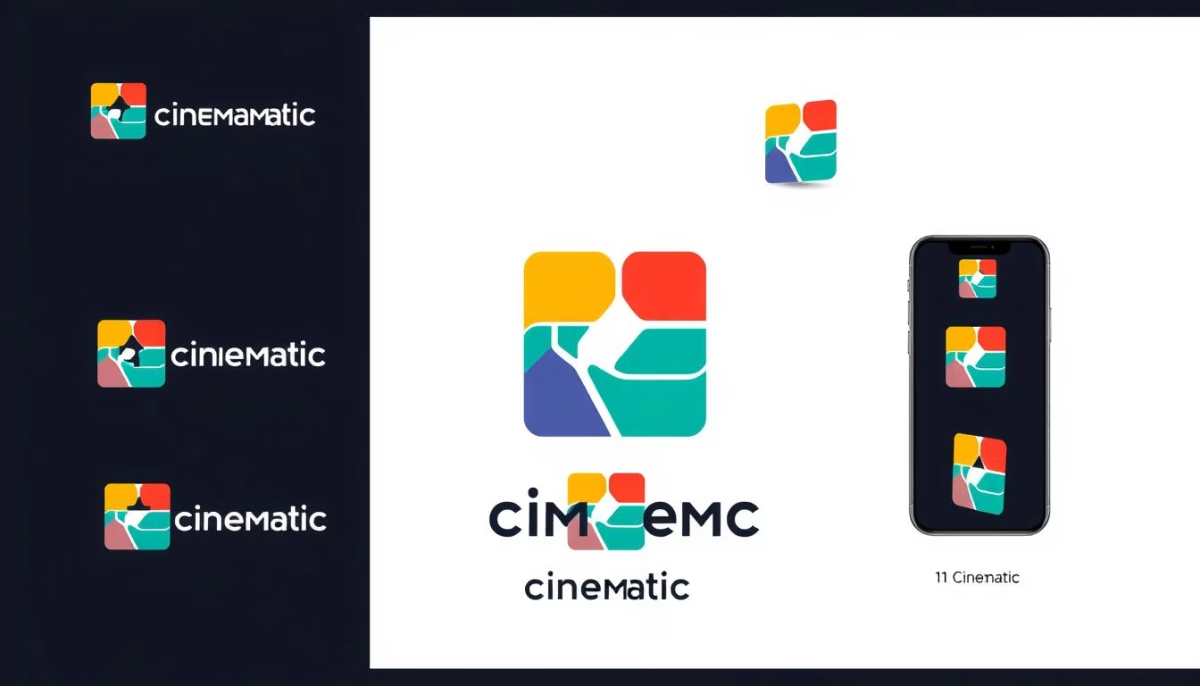
The Nike Swoosh and Apple logos are cited as examples of successful, scalable logo designs. The Coca-Cola logo has undergone numerous adaptations while maintaining its core identity, illustrating the importance of flexibility and scalability in logo design.
The Process of Designing Your Logo
Crafting an effective logo is a crucial step in establishing your brand identity and making a lasting impression on your target audience. At our creative design agency, we follow a structured process to ensure your logo not only looks visually appealing but also effectively communicates the essence of your business.
Briefing Your Designer
The first step in the logo design process is to provide your designer with a comprehensive brief. This involves clearly defining what you want your logo to communicate about your brand, understanding your target audience, and sharing your design preferences. By having a clear vision upfront, your designer can better align their creative process with your objectives.
Drafts and Revisions
With the initial brief in hand, your designer will begin the creative process, exploring various brand identity concepts and creative design approaches. Expect to receive multiple drafts and be prepared to provide constructive feedback. During the revision stage, it’s important to focus on how well the logo meets your objectives rather than personal preferences.
Finalizing Your Design
Once you and your designer have landed on a logo design that you’re both excited about, it’s time to finalize the details. This includes ensuring you receive the logo files in various formats, including vector files for maximum scalability. Your designer should also provide guidance on the proper usage of your new logo, including color palettes, typography, and any necessary brand guidelines.
By following this structured approach, you can be confident that your logo will not only look visually appealing but also effectively represent your brand and resonate with your target audience.
Common Logo Design Mistakes to Avoid
Designing an effective logo is crucial for your small business, as it serves as the visual representation of your brand. However, there are common mistakes that businesses often make when creating their logos. Let’s explore these pitfalls and learn how to avoid them.
Overcomplicating the Design
One of the most common mistakes in logo design is overcomplicating the design with too many elements or effects. Excessive use of shadows, bevels, gradients, and other embellishments can make your logo difficult to reproduce and less memorable. Simplicity is key when it comes to designing effective logos.
Neglecting Your Target Audience
Your logo should appeal to your target audience and reflect the industry you operate in. Ignoring the preferences and expectations of your customers can result in a logo that fails to resonate with them. Take the time to understand your audience and ensure your business logo tips align with their needs and preferences.
Ignoring Feedback
Feedback from potential customers, industry professionals, and design experts can be invaluable in refining your logo design. Avoid the mistake of ignoring constructive criticism, as it can help you create a logo that effectively represents your brand and connects with your audience.
By avoiding these common pitfalls, you can design a logo that serves as a strong foundation for your brand, helping you stand out in the competitive landscape and effectively communicate your business’s identity to your target audience.
Maintaining Consistency in Branding
Establishing a strong and recognizable brand identity is crucial for the success of any small business. However, maintaining consistency across all touchpoints is equally important. By adhering to a set of well-defined brand guidelines, you can ensure that your logo, colors, typography, and overall brand messaging remain uniform, reinforcing your brand’s identity and building trust with your customers.
Utilizing Brand Guidelines
Develop comprehensive brand guidelines that dictate how your logo should be used across various mediums. This includes specifying color codes, minimum sizes, clear space requirements, and acceptable variations. Ensure all team members and external partners adhere to these guidelines to maintain brand consistency.
Ensuring Logo Usage is Uniform
Consistent use of your logo is essential for building brand identity and recognition. Establish clear rules for logo placement, size, and positioning across all marketing materials, social media platforms, and other channels. Regular audits and enforcement of these guidelines will help ensure a cohesive brand identity and creative design.
Revisiting and Updating as Needed
- Regularly review your logo’s effectiveness and make minor updates if necessary to keep it current.
- However, avoid frequent major changes that could confuse customers and dilute brand recognition.
- Consistency is key, so make sure any revisions or updates align with your established brand guidelines.
Maintaining consistency in your branding efforts is essential for building a strong and recognizable presence in the market. By establishing clear guidelines, enforcing uniform usage, and making strategic updates when necessary, you can ensure your brand remains authentic, trustworthy, and memorable to your target audience.
Conclusion: Let’s Elevate Your Brand Together
A well-designed logo is essential for small business growth. It establishes your brand identity, creates a strong first impression, and enhances recognition among your target audience. By focusing on simplicity, relevance, timelessness, and versatility, you can craft a logo that effectively represents your business and resonates with your customers.
Remember to consider the role of color psychology, typography, and scalability in your logo design process. Avoid common mistakes, such as overcomplicating the design or neglecting the preferences of your target audience. Maintaining consistency in your branding efforts is also crucial for building brand recognition and trust.
Call to Action: Hire Solved for Logo Design and Business Growth
At Solved, we offer expert logo design services to help elevate your brand and drive business growth. Our team of experienced designers will work closely with you to create a memorable logo that sets your small business apart from the competition. Contact us today and let’s start designing a logo that will make a lasting impression and contribute to your overall business success.