

The Impact of Typography on Your Marketing Materials

How to Use Data Analytics to Drive Sales Growth

In the ever-evolving world of marketing, lead nurturing has emerged as a critical strategy for businesses looking to engage and convert potential customers. By delivering valuable content and tailored experiences, we can guide leads through the sales funnel, building trust and fostering lasting relationships. In this article, we’ll explore the importance of lead nurturing, understand the relationship between lead nurturing and marketing funnels, and discuss effective strategies for nurturing leads within your own business.
Key Takeaways
- Lead nurturing is essential for guiding prospects through the sales funnel and converting them into loyal customers.
- Effective lead nurturing strategies involve delivering relevant and valuable content that addresses the needs of leads at different stages of the buyer’s journey.
- Integrating lead nurturing with your marketing funnel can significantly improve customer engagement and drive long-term business growth.
- Collaboration between sales and marketing teams is crucial for developing and implementing a successful lead nurturing strategy.
- Measuring and analyzing the performance of your lead nurturing efforts is key to optimizing your approach and achieving better results.
The Importance of Lead Nurturing for Your Business
Nurturing your leads is a crucial aspect of any successful business strategy. By focusing on lead nurturing, we can build trust and credibility with our prospects, keeping our brand top-of-mind even when they’re not actively looking to buy. This not only helps us close deals faster but also lowers our customer acquisition costs and creates long-term, loyal customer relationships.
Why Lead Nurturing is Essential
Lead nurturing is essential for several reasons:
- It shows our leads that we’re invested in helping them achieve their goals, which builds trust and credibility.
- It keeps our business on the radar of our prospects, even when they’re not actively searching for our products or services.
- It allows us to focus our efforts on qualified leads, rather than wasting time on uninterested prospects.
- It results in a 50% higher sales rate compared to companies that don’t nurture their leads.
Benefits of Lead Nurturing
By implementing an effective lead nurturing strategy, we can enjoy a range of benefits:
- Shorter Sales Cycles: Lead nurturing helps shorten the sales cycle, allowing us to close deals faster and more efficiently.
- Lower Customer Acquisition Costs: By nurturing our leads, we can reduce the cost of acquiring new customers.
- Increased Upselling and Cross-Selling: Lead nurturing provides opportunities for us to offer additional products or services to our existing customers.
- Improved Customer Relationships: By nurturing our leads, we can create long-term, loyal relationships with our customers.

In today’s competitive landscape, lead nurturing is a powerful tool that can help us stand out from the crowd, build strong customer relationships, and ultimately drive business growth. By investing in a robust lead nurturing strategy, we can reap the benefits of increased sales, reduced costs, and more loyal, satisfied customers.
Understanding Lead Nurturing and Marketing Funnels
When it comes to generating and converting leads, it’s important to understand the distinction between lead generation and lead nurturing. Lead nurturing definition refers to the process of delivering valuable content and building relationships with potential customers who aren’t yet ready to make a purchase. This is in contrast to lead generation, which focuses on attracting and capturing new leads.
What is Lead Nurturing?
Lead nurturing is the practice of cultivating relationships with potential customers throughout the sales funnel. The goal is to guide them towards a purchase by providing them with relevant information and offers that address their specific needs and pain points. By nurturing leads, businesses can increase the chances of converting them into paying customers and build long-term loyalty.
Lead Generation vs Lead Nurturing
While both lead generation and lead nurturing are essential components of a successful marketing strategy, they serve different purposes. Lead generation is focused on attracting and capturing new leads, while lead nurturing is about guiding those leads through the sales funnel and converting them into customers. Effective lead nurturing can help increase the conversion rate of your leads, as well as improve customer retention and loyalty.
To summarize, lead nurturing is the process of building relationships with potential customers, while lead generation is the act of attracting and capturing those leads in the first place. By understanding the difference between these two concepts, you can develop a more comprehensive and effective marketing strategy for your business.
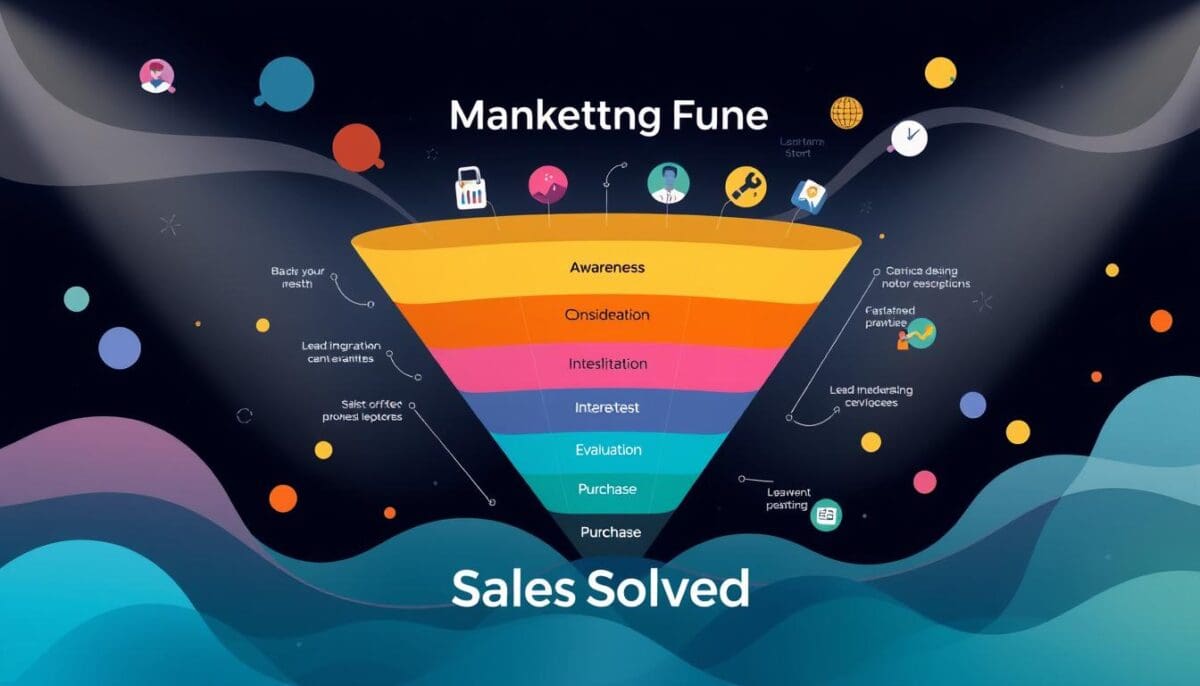
Strategies for Nurturing Leads Through Your Marketing Funnels
As we navigate the complex world of lead nurturing, we’ve discovered a wealth of effective strategies to guide our customers through the marketing funnel. From personalized email campaigns to targeted social media outreach, we’ve honed a multifaceted approach to ensure our leads receive the right message at the right time.
One key tactic is leveraging marketing automation to deliver a seamless, personalized experience. By segmenting our leads based on their behaviors and interests, we can craft tailored content that resonates with them at every stage of the funnel. Whether it’s educational resources, product demos, or exclusive offers, we’re committed to providing value that keeps our leads engaged and moving closer to conversion.
Equally important is the role of social media in our lead nurturing strategy. By actively engaging with our leads on platforms like LinkedIn, Twitter, and Facebook, we’ve built strong relationships and fostered a sense of community around our brand. Through thoughtful content, timely responses, and strategic partnerships, we’re able to nurture leads and position ourselves as trusted industry authorities.