
Using Explainer Videos to Simplify Complex Products

Building a Lead Nurturing Strategy for Your Funnel

Typography is a critical element in both print and digital media, yet it is often overlooked in the world of advertising and marketing. As we navigate through the overwhelming amount of content consumers encounter daily, it’s essential to design and utilize typography in a way that captures their attention and effectively communicates our message. The arrangement of text, including factors such as font, point size, color, and line length, plays a significant role in the overall visual appeal and readability of our marketing materials.
Key Takeaways
- Typography is a critical element in both print and digital media, yet it is often overlooked in advertising and marketing.
- Effective typography can capture the reader’s attention and clearly communicate the message.
- Factors like font, point size, color, and line length impact the overall visual appeal and readability of marketing materials.
- Carefully considering typography can help your brand stand out in a crowded marketplace.
- Investing in typography can significantly enhance the impact and effectiveness of your marketing efforts.
The Significance of Typography in Branding
Typography is the foundation of a brand’s visual identity, playing a crucial role in conveying its unique personality and values. The strategic use of fonts, typefaces, and text formatting can effectively communicate your brand’s intended message, target audience, and overall essence. For instance, a playful, handwritten font might be perfect for a children’s brand, while a sleek and modern typeface may better suit a technology company.
Consistent application of typography across all marketing channels and materials—both online and offline—establishes visual consistency and reinforces brand recognition. This coherence in your brand’s typography helps create a strong, cohesive identity that resonates with your audience.
Conveying the Brand’s Voice
The typography you choose can significantly influence how your brand’s voice is perceived. Certain font styles, sizes, and weights can evoke specific emotions and perceptions, allowing you to align your brand’s personality with your target market. By carefully selecting the right typography, you can convey your brand’s tone, whether it’s sophisticated, casual, bold, or delicate.
Establishing Visual Hierarchy
Typography also plays a crucial role in structuring content and guiding the viewer’s attention. By manipulating font size, weight, and style, you can create a clear visual hierarchy that emphasizes the most important elements of your brand’s messaging. This helps improve the overall user experience and ensures that your audience easily understands the information you’re presenting.

In summary, typography is a powerful tool in branding, as it helps establish your brand’s identity, communicate its voice, and structure content in a visually appealing and intuitive manner. By leveraging the impact of typography, you can create a strong, memorable, and cohesive brand that resonates with your target audience.
Graphic Design: The Impact on Website Design and User Experience
In the digital landscape, the role of graphic design extends far beyond mere aesthetics. It plays a crucial part in shaping the user experience and overall success of a website. As we navigate the ever-evolving world of website design, the importance of typography in web design cannot be overstated.
Crafting a visually appealing and user-friendly website requires a deep understanding of typography and its impact on user experience. Legible, scalable typefaces and appropriate font sizes are essential for ensuring content is easily readable across various devices and screen sizes. Proper line spacing and well-structured headings, subheadings, and body text not only enhance the aesthetic appeal but also improve the website’s SEO performance, making it more discoverable to potential customers.
By paying close attention to the typography on your website, you can create a seamless and engaging user experience that keeps visitors coming back. From the moment they land on your page to the moment they navigate through your content, thoughtfully chosen typography can guide their journey, convey your brand’s message, and leave a lasting impression.
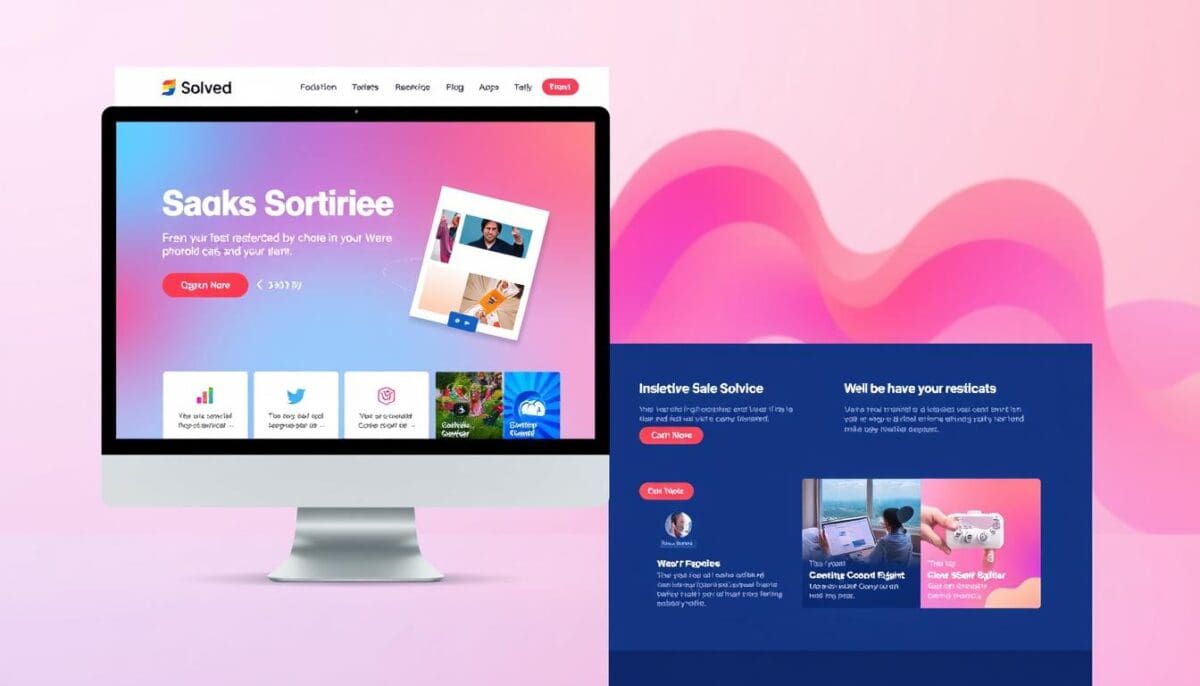
In the ever-evolving landscape of digital marketing, the interplay between graphic design, website design, and user experience is crucial. By mastering the art of typography, businesses can establish a strong online presence, captivate their audience, and ultimately drive more conversions and customer loyalty.
Typography in Digital Marketing Campaigns
In the digital age, typography plays a crucial role in the success of our marketing efforts. From captivating social media posts to engaging email campaigns and eye-catching display ads, the right typographic choices can make all the difference in capturing the attention of our audience.
When it comes to digital marketing, customized typography can help our social media presence stand out in crowded newsfeeds. By carefully selecting typefaces that align with our brand’s personality, we can create a strong visual identity that resonates with our followers. Clear, visually appealing typography also improves the readability and engagement of our email marketing campaigns, leading to higher click-through rates and conversions.
But the impact of typography extends beyond just social media and email. Compelling typefaces can also grab the attention of users and drive higher engagement with our display advertisements. By leveraging the power of typography, we can create a cohesive and visually stunning digital marketing strategy that truly captures the essence of our brand.
At the end of the day, the right typography can be the difference between a campaign that falls flat and one that truly resonates with our audience. By mastering the art of digital typography, we can elevate our digital marketing efforts and achieve the kind of results that drive our business forward.
Conclusion
In the world of marketing, typography is an indispensable element that can make or break the success of your branding and digital campaigns. By understanding the best practices of typography, we can leverage its power to convey our brand’s voice, establish visual hierarchy, and create visually engaging marketing materials.
Whether we’re designing a website, crafting social media posts, or developing print collateral, the thoughtful application of typography can significantly impact the user experience and the overall effectiveness of our marketing efforts. By aligning our typography choices with our brand’s personality and goals, we can strengthen our online presence and solidify our position in the market.
As we continue to navigate the ever-evolving digital landscape, mastering the art of typography will be a crucial step in ensuring our marketing strategies remain impactful and relevant. By embracing the principles of typography best practices, branding, and digital marketing, we can create a lasting impression and connect with our target audience in a meaningful way.