

Best Graphic Design Tools for Small Business Owners

Using Pinterest to Drive Traffic to Your Small Business Website

Blogs are powerful business tools that can help grow your small company by increasing sales and web traffic. Companies that blog generate an average of 67% more sales leads than those that don’t, according to InsideView. Blogging can also enhance brand awareness and customer experience, but strategic approach is crucial. The frequency and content of your blog posts can directly impact your return on investment (ROI). Our content marketing team at Media Relations Agency can help you leverage the right blogging strategies to drive more site visitors, educate them about your products, and give them compelling reasons to make a purchase.
Key Takeaways
- Blogging can increase sales leads by 67% for small businesses
- Consistent, high-quality blog content boosts brand awareness and customer trust
- Strategic blogging approaches are essential for maximizing ROI
- Professional content marketing support can help small businesses unlock the full potential of blogging
- Blogging is a powerful tool for educating potential customers and driving conversions
The Power of Blogging for Business
Blogs can be a powerful tool for businesses looking to increase sales and grow their brand. According to Semrush, businesses that include blogs as part of their content marketing strategy see 13 times the return on investment (ROI) than businesses that don’t. Additionally, companies that blog get 55% more website visitors (HubSpot) and 67% more sales leads and opportunities than companies that do not blog (InsideView). Blogs help keep people on your website longer, which can often equate to higher sales. They also help shorten the sales cycle by increasing brand awareness and educating buyers.
Higher Return on Investment (ROI)
Blogging has been shown to offer a significant return on investment for businesses. In fact, 77% of bloggers report an increase in results due to their blog efforts. By creating valuable, informative content, businesses can attract and engage potential customers, leading to increased sales opportunities and a higher ROI.
More Sales Leads and Opportunities
Businesses that blog also stand to benefit from a steady stream of sales leads and opportunities. According to InsideView, companies that blog get 67% more sales leads than those that don’t. This is because blogs help establish your business as an authority in your industry, build trust with your audience, and provide them with the information they need to make purchasing decisions.

In today’s digital landscape, where over 4 billion people are connected to the internet, having a strong online presence through a well-executed blog can be a game-changer for your business. By leveraging the power of content marketing, you can drive website traffic, build brand awareness, and ultimately, generate more sales leads and opportunities.
Understanding the Sales Funnel and Buyer’s Journey
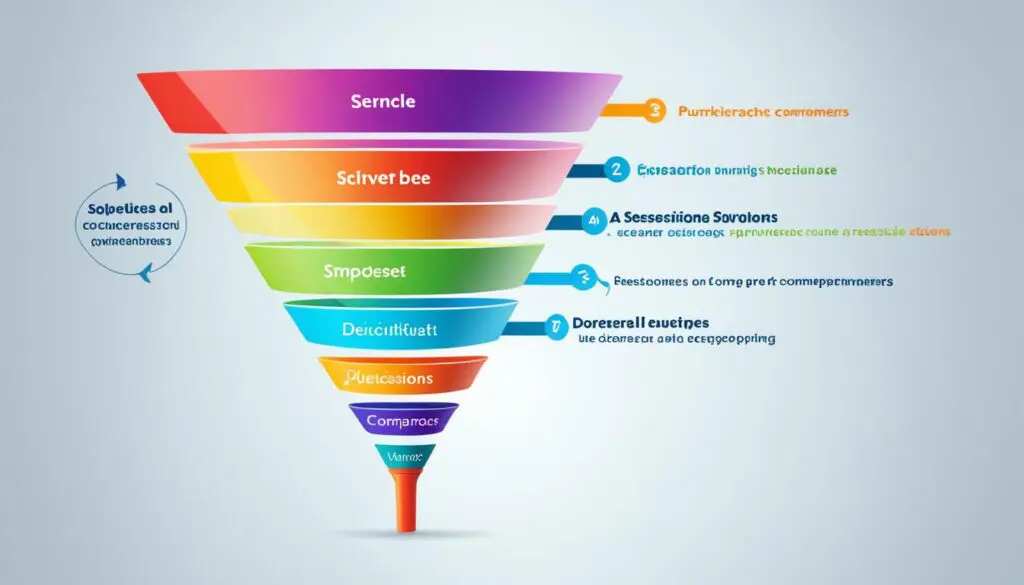
As we dive into the power of blogging for your business, it’s crucial to understand the concept of the sales funnel and the buyer’s journey. The sales funnel is a visual representation of how consumers make purchasing decisions, typically divided into four key stages: Awareness, Interest, Decision, and Action. By aligning your blog content with these stages, you can effectively guide your audience through the sales process and increase the likelihood of converting them into customers.
The buyer’s journey refers to the steps a consumer takes from the initial awareness of a problem or need to the final decision to make a purchase. This journey can vary depending on the industry, product, pricing, and audience, but generally includes the stages of Awareness, Consideration, and Decision. Your blog content should be strategically crafted to address the needs and questions of your audience at each stage of this journey.
- Awareness: During this stage, your potential customers are becoming aware of their problem or need. Your blog content should focus on educating and informing them, addressing their pain points and providing valuable insights.
- Consideration: In this stage, your audience is actively researching solutions to their problem. Your blog should highlight the features and benefits of your products or services, differentiating your offering from the competition.
- Decision: At this final stage, your audience is ready to make a purchase. Your blog content should provide social proof, testimonials, and clear calls to action to encourage them to take the desired action.
By aligning your content strategy with the sales funnel and buyer’s journey, you can create a seamless and engaging experience for your audience, ultimately driving more sales and growth for your small business.
Blogging for Business
Search Engine Optimization (SEO) Benefits
One of the most powerful forces in blogging for sales is SEO: Search Engine Optimization. SEO is the practice of building, designing, and writing websites so they rank well on search engines. By creating high-quality, keyword-optimized content through blogging, businesses can improve their search engine rankings and get found by more potential customers.
Blogs are frequently updated, which search engines favor when indexing and ranking web pages. In fact, companies that blog receive 55% more website traffic, as reported by HubSpot. Businesses with blogs also enjoy 434% more indexed pages, enhancing their visibility in search results. Additionally, blogging companies gain 97% more inbound links, which contribute to increased domain authority.
Blogging can also help communicate a product’s value and showcase customer success stories, educating potential customers and leading to increased sales conversions. In fact, 70% of consumers discover businesses through their blogs, and 32% of sales representatives benefit from the right sales enablement content.
An effective SEO strategy is essential for driving organic traffic to business blogs. By optimizing content for search engines and regularly updating blogs, businesses can ensure their online presence remains visible and relevant to their target audience.
Best Practices for Successful Blogging
To run a successful blog that drives sales, businesses should follow these essential best practices. First and foremost, choose a high-quality blogging platform and pay close attention to search engine optimization (SEO). This will ensure your content is easily discoverable by your target audience.
Next, focus on creating engaging content that tells compelling stories about your business, team, and customers. Your blog should showcase your unique value proposition and expertise. Publish this content consistently to keep readers engaged and coming back for more.
Optimizing for SEO and Social Media Promotion
Optimize your blog posts for SEO by incorporating relevant keywords and formatting your content in a reader-friendly way. This includes using clear headings, short paragraphs, and high-quality images. Once your content is optimized, promote it across your social media channels to reach a wider audience and drive more traffic to your blog.
Calls to Action and Lead Generation
Finally, be sure to include clear calls to action that encourage readers to take the next step, such as signing up for your email list or contacting your business. This will help you generate valuable leads and turn your blog into a powerful sales engine.
By implementing these blogging best practices, you can create a blog that not only engages your audience but also drives real business results. So start creating that content, optimizing for SEO, and promoting your blog across social media to unlock the full potential of this powerful marketing tool.
Conclusion
In conclusion, blogging can be a highly effective way for small businesses to increase sales and grow their brand. By understanding the power of blogging, the sales funnel and buyer’s journey, SEO best practices, and successful blogging strategies, we can leverage our blog to attract more visitors, nurture leads, and convert customers.
The key is to approach blogging with a well-planned content strategy and a commitment to consistent, high-quality content creation and promotion. With over 50% of marketers considering blogging their primary content marketing strategy, and businesses using blogs having 3 times the conversion rate of paid ads, the benefits of blogging for small businesses are clear.
By optimizing our content for search engines and promoting it effectively on social media, we can drive significant traffic and lead generation. And with 60% of consumers finding blog posts valuable in the early stages of the buying process, our blog can become a game-changer for sales and overall business growth.


