
Effective Influencer Outreach Strategies

Mastering LinkedIn Ads for B2B Marketing

We all want our marketing efforts to be successful, right? But how can we ensure that we’re reaching the right people, at the right time, with the right message? That’s where customer journey mapping comes in. By understanding the various touchpoints and experiences a customer has with your brand, you can create a more personalized and effective marketing approach. Customer journey mapping is a powerful tool that can revolutionize your marketing strategy and drive success for your business.
Key Takeaways:
- Customer journey mapping is a powerful tool that can revolutionize your marketing strategy.
- Companies using customer journey mapping are 2.9 times more likely to have a significantly higher customer satisfaction rating.
- Understanding the customer journey helps identify pain points, opportunities for improvement, and optimize each stage.
- By mapping out the customer journey, you gain insights into customer behavior, preferences, and pain points.
- Customer journey mapping should be integrated into your overall marketing strategy to create targeted and personalized campaigns.
What is Customer Journey Mapping?
Customer journey mapping is a crucial tool in understanding the buyer’s journey and enhancing the overall customer experience. It involves charting the various touchpoints and interactions that a customer has with your brand, from their initial contact to the final conversion. By visually representing this journey, businesses can gain valuable insights into customer preferences, pain points, and decision-making processes.
The customer journey is divided into different stages, including awareness, consideration, and decision-making. Each stage represents an opportunity for businesses to engage and connect with their customers. By mapping out these stages, businesses can identify areas for improvement and strategize accordingly to enhance the customer experience at each touchpoint. This process allows for a more personalized and effective marketing approach, resulting in increased customer satisfaction and long-term loyalty.
The Key Benefits of Customer Journey Mapping:
- Enhanced Understanding: Customer journey mapping provides businesses with a deeper understanding of their customers’ needs, preferences, and behaviors throughout the buying process.
- Optimized Touchpoints: By identifying pain points and opportunities for improvement, businesses can optimize each touchpoint to create a seamless and engaging customer experience.
- Personalization: Customer journey mapping enables businesses to tailor their marketing efforts and messaging to specific stages of the customer journey, increasing relevance and engagement.
- Improved Decision-making: By visualizing the customer journey, businesses can make data-driven decisions and allocate resources effectively to maximize ROI.
Overall, customer journey mapping empowers businesses to align their marketing strategies with the buyer’s journey, resulting in enhanced customer satisfaction, increased conversions, and ultimately, marketing success.
The Benefits of Customer Journey Mapping
Customer journey mapping offers numerous benefits for businesses. By gaining insights into customer behavior, preferences, and pain points, we can tailor marketing strategies to better meet their needs. This leads to increased customer satisfaction and loyalty. In fact, research shows that companies using customer journey mapping are 2.9 times more likely to have significantly higher customer satisfaction ratings.
One of the key benefits of customer journey mapping is the ability to improve the overall customer experience. By understanding the different touchpoints and interactions customers have with our brand, we can identify pain points and opportunities for improvement. This allows us to optimize each stage of the customer journey, ensuring a seamless and enjoyable experience for our customers.
Benefits of Customer Journey Mapping:
- Personalized Marketing: By mapping the customer journey, we can identify specific customer segments and tailor our marketing efforts to their preferences and needs.
- Increased Customer Satisfaction: Understanding the customer journey helps us identify pain points and address them proactively, leading to higher customer satisfaction.
- Improved Cross-Selling and Upselling: By analyzing the customer journey, we can identify opportunities to cross-sell and upsell our products or services, increasing revenue.
- Optimized Marketing Budget: Customer journey mapping allows us to allocate marketing resources more efficiently by prioritizing touchpoints that have the most impact on customer behavior.
- Enhanced Business Performance: By improving the customer experience and increasing customer satisfaction, customer journey mapping contributes to overall business success and growth.
By leveraging the benefits of customer journey mapping, businesses can gain a competitive edge in today’s customer-centric market. It enables us to understand our customers on a deeper level, anticipate their needs, and deliver personalized experiences that drive long-term loyalty and revenue growth.
Steps to Create a Customer Journey Map
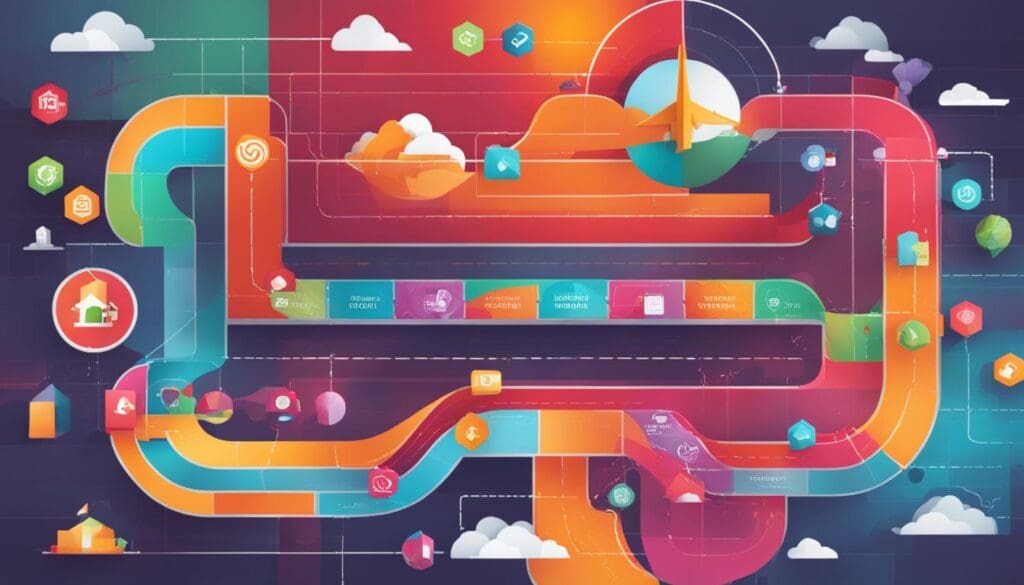
Creating a customer journey map involves several important steps that can help you gain valuable insights into your customers and enhance your marketing strategy. By understanding these steps and following best practices, you can create an effective customer journey map that drives marketing success. Here are the key steps to consider:
- Identify your target audience and personas: Start by defining your target audience and creating buyer personas. Understanding who your customers are and what their needs and motivations are will enable you to map out their journey more effectively.
- Map out touchpoints and interactions: Identify all the touchpoints and interactions that a customer has with your brand throughout their journey. This includes their initial awareness, consideration, and decision-making stages. Mapping out these touchpoints will give you a holistic view of the customer’s experience.
- Gather data and insights: Collect data and insights from various sources such as customer feedback, surveys, analytics, and social media. This data will provide valuable information about customer preferences, pain points, and opportunities for improvement.
- Analyze and identify pain points: Analyze the data to identify any pain points or issues that customers may encounter during their journey. This could be areas where customers are dropping off or experiencing dissatisfaction. Understanding these pain points will help you optimize those areas and provide a better customer experience.
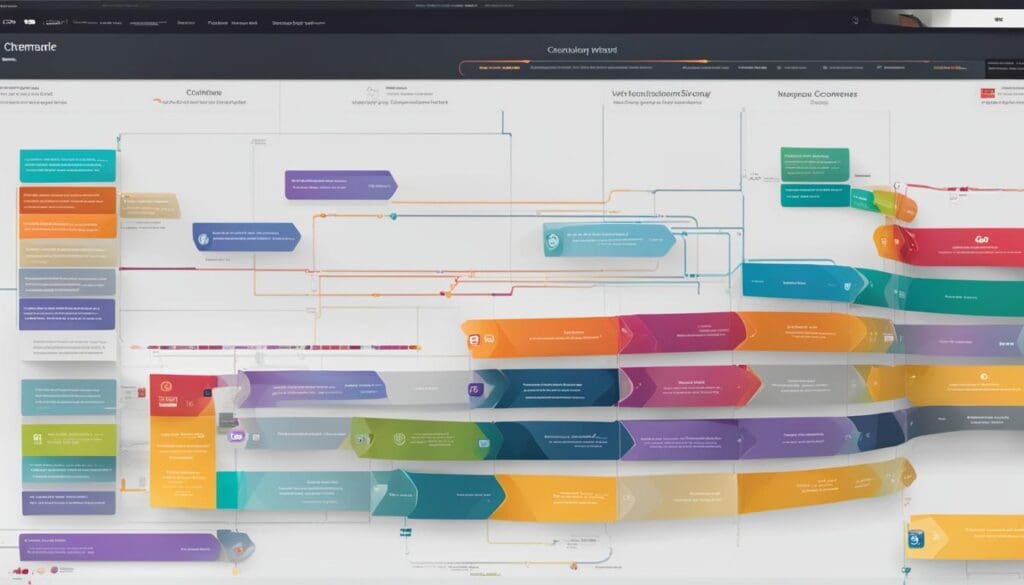
- Visualize the customer journey map: Once you have gathered and analyzed the data, it’s time to visualize the customer journey map. Use visual elements such as diagrams, flowcharts, or infographics to create a clear and easy-to-understand representation of the customer journey. This will help you communicate the map effectively within your team and organization.
By following these steps, you can create a comprehensive customer journey map that will enable you to better understand your customers and optimize your marketing efforts.
Key Points:
- Identify your target audience and create buyer personas.
- Map out all the touchpoints and interactions along the customer journey.
- Gather data and insights from various sources.
- Analyze the data to identify pain points and areas for improvement.
- Visualize the customer journey map using diagrams or flowcharts.
Best Practices for Effective Customer Journey Mapping
When it comes to customer journey mapping, following best practices can help ensure that you gain valuable insights and achieve marketing success. Here are some key practices to consider:
1. Involve cross-functional teams:
Bring together representatives from different departments, such as marketing, sales, customer support, and product development. This will provide diverse perspectives and ensure that all touchpoints in the customer journey are considered.
2. Utilize qualitative and quantitative data:
Collect both qualitative and quantitative data to gain a comprehensive understanding of the customer journey. Qualitative data, such as customer feedback and interviews, helps uncover emotional motivations, while quantitative data, such as analytics and surveys, provides statistical insights.
3. Regularly update and refine:
Keep your customer journey map up to date by incorporating new insights and changes in the market. The customer journey is not static, and continuously refining your map ensures that it remains relevant and effective.
4. Communicate and collaborate:
Share the customer journey map with stakeholders across your organization. This helps align marketing efforts and ensures that everyone understands the key touchpoints and pain points in the customer journey.

By following these best practices, you can maximize the effectiveness of your customer journey mapping efforts. Remember, customer journey mapping is an ongoing process, so continue to monitor and measure the impact of your marketing strategies to drive better results.
Integrating Customer Journey Mapping into Marketing Strategy
Customer journey mapping plays a crucial role in creating an effective marketing strategy. By understanding the various touchpoints and interactions a customer has with our brand, we can optimize each stage of their journey and provide a seamless experience. Integrating customer journey mapping into our marketing strategy enables us to personalize our campaigns, tailor our messaging, and increase engagement and conversion rates.
Optimizing Touchpoints
Through customer journey mapping, we can identify the most influential touchpoints in the customer journey. By focusing on these touchpoints, we can allocate our resources and marketing efforts more effectively. Whether it’s improving the website user experience, providing exceptional customer service, or leveraging targeted advertising, optimizing touchpoints based on customer insights allows us to create meaningful interactions and build strong relationships with our audience.
Personalizing Messaging and Content
Understanding the customer journey empowers us to tailor our messaging and content to specific stages. By delivering the right message at the right time, we can capture the attention of our customers and guide them through their decision-making process. Personalization not only enhances the customer experience but also increases the likelihood of conversion. By analyzing customer data and preferences, we can create personalized content that resonates with individuals and builds trust in our brand.
Continuous Analysis and Optimization
Integrating customer journey mapping into our marketing strategy requires continuous analysis and optimization. As customer behaviors and preferences evolve, so should our marketing efforts. By regularly monitoring and analyzing data from the customer journey, we can identify areas for improvement and make informed decisions. Whether it’s adjusting our marketing campaigns, refining our targeting strategies, or exploring new channels, continuous optimization based on customer journey insights allows us to stay relevant and ahead of the competition.
Tools and Technologies for Customer Journey Mapping
When it comes to customer journey mapping, having the right tools and technologies can make all the difference. These resources can help you collect, analyze, and visualize customer data, allowing you to gain valuable insights into your customers’ experiences. Here are some of the top tools and technologies available for effective customer journey mapping:
Data Visualization Tools
Data visualization tools, such as Tableau and Power BI, enable you to transform complex data into intuitive and visually appealing charts, graphs, and dashboards. These tools make it easy to understand patterns, identify trends, and communicate insights across your organization. With their drag-and-drop interfaces and customizable features, data visualization tools allow you to create compelling visual representations of your customer journey map.
Customer Analytics Platforms
Customer analytics platforms, like Google Analytics and Adobe Analytics, provide in-depth data on customer behavior, preferences, and interactions with your brand. These platforms offer a range of metrics and reports that can help you analyze the effectiveness of your marketing campaigns, identify areas for improvement, and optimize touchpoints in the customer journey. By leveraging customer analytics platforms, you can make data-driven decisions to enhance the overall customer experience.
Journey Mapping Software
Journey mapping software, such as UXPressia and Smaply, streamline the process of creating and managing customer journey maps. These tools offer pre-built templates, drag-and-drop functionality, and collaboration features that allow you to easily map out and visualize the different touchpoints and stages of the customer journey. With journey mapping software, you can efficiently gather insights, share information with your team, and continuously update and refine your customer journey map.
Case Studies: How Customer Journey Mapping Drives Marketing Success
Customer journey mapping has been proven to drive marketing success for numerous companies across various industries. By understanding the customer journey and optimizing touchpoints, businesses have achieved remarkable results. Let’s explore some real-life case studies that highlight the powerful impact of customer journey mapping on marketing success.
Case Study 1: Company X – Driving Customer Retention
Company X, a leading e-commerce retailer, utilized customer journey mapping to improve their customer retention rate. By analyzing the customer journey and identifying pain points, they were able to optimize touchpoints and create a more seamless experience. As a result, Company X saw a 30% increase in customer retention, leading to enhanced loyalty and repeat purchases. By mapping the customer journey, they gained deep insights into customer behavior and preferences, allowing them to tailor their marketing efforts for maximum impact.
Case Study 2: Company Y – Increasing Average Order Value
Company Y, a software-as-a-service provider, implemented customer journey mapping to optimize their marketing strategy. By mapping out the customer journey and understanding the different stages, they were able to tailor their messaging and content accordingly. This personalized approach led to a 25% increase in their average order value. Company Y’s case study demonstrates how customer journey mapping can drive higher conversions and encourage customers to make larger purchases.
Case Study 3: Company Z – Enhancing Customer Satisfaction
Company Z, a global telecommunications company, utilized customer journey mapping to improve their customer satisfaction rating. By identifying pain points and areas for improvement, they were able to optimize touchpoints and deliver a more seamless experience. As a result, Company Z saw a significant increase in their customer satisfaction rating. By mapping the customer journey, they were able to understand the specific needs and expectations of their customers, enabling them to provide tailored solutions and exceed customer expectations.
These case studies demonstrate the transformative power of customer journey mapping in driving marketing success. By gaining a deep understanding of the customer journey and optimizing touchpoints, businesses can increase customer retention, boost average order value, and enhance customer satisfaction. Customer journey mapping is a valuable tool that can revolutionize your marketing strategy and help you achieve remarkable results.
Tips for Using Customer Journey Mapping to Increase Sales
Customer journey mapping is not just a valuable tool for understanding customer behavior and improving marketing strategies; it can also play a significant role in increasing sales. By leveraging the insights gained from customer journey mapping, businesses can effectively target influential touchpoints in the customer journey, tailor marketing efforts to match customer preferences, and ultimately drive higher sales conversions. Here are some key tips for using customer journey mapping to increase sales:
1. Identify and Prioritize Influential Touchpoints
Not all touchpoints in the customer journey have equal influence on the purchase decision. To maximize sales, it’s important to identify and prioritize the touchpoints that have the most impact. These touchpoints may include initial product research, customer reviews, or personalized recommendations. By focusing your marketing efforts on these influential touchpoints, you can capture customer attention and drive them closer to making a purchase.
2. Tailor Marketing Efforts to Targeted Touchpoints
Once you’ve identified the influential touchpoints, it’s crucial to tailor your marketing efforts specifically for those stages of the customer journey. This could involve creating personalized messages, offering relevant product recommendations, or providing exclusive incentives that align with the customer’s needs and preferences. By delivering targeted and compelling marketing content at the right touchpoints, you can enhance customer engagement and increase the likelihood of conversion.
3. Leverage Customer Insights for Personalization
Customer journey mapping provides valuable insights into customer preferences, pain points, and behaviors. Use this information to personalize your marketing campaigns and make them more relevant to each customer. By leveraging customer insights, you can create personalized experiences that resonate with individual customers, increasing their interest and propensity to buy. Personalization can be achieved through customized messaging, tailored offers, or personalized product recommendations based on previous interactions.
By following these tips and incorporating customer journey mapping into your sales and marketing strategies, you can drive higher sales conversions, optimize the customer experience, and ultimately achieve greater business success.
Conclusion
Customer journey mapping is an essential tool for effective marketing strategy. By delving into the various touchpoints and interactions a customer has with your brand, we can create a personalized and engaging experience. Through this process, we gain valuable insights into customer behavior, pain points, and preferences.
By optimizing each stage of the customer journey, we can enhance customer satisfaction and drive increased sales. Furthermore, with the right tools and best practices in place, customer journey mapping becomes a powerful driver of overall business performance. It allows us to tailor marketing campaigns, improve customer experience, and allocate marketing budgets more effectively.
Start mapping your customer journey today and unlock the potential for marketing success. We understand that every business is unique, so remember to regularly update and refine your customer journey map to stay relevant and adapt to changing market dynamics. Let customer journey mapping be the cornerstone of your effective marketing strategy and propel your business to new heights.
FAQ
What is customer journey mapping?
Customer journey mapping is the process of visually representing the steps a customer takes from initial contact to the final conversion. It involves mapping out the different touchpoints and interactions a customer has during their journey, including awareness, consideration, and decision-making stages.
What are the benefits of customer journey mapping?
Customer journey mapping offers several benefits for businesses. By mapping out the customer journey, you gain insights into customer behavior, preferences, and pain points. This information can be used to tailor marketing strategies, improve customer experience, and increase customer satisfaction. Customer journey mapping can also help identify opportunities for cross-selling and upselling, optimize marketing budgets, and improve overall business performance.
What are the steps to create a customer journey map?
Creating a customer journey map involves several steps. Start by identifying your target audience and their personas. Next, map out the different touchpoints and interactions they have with your brand. Gather data and insights from various sources, including customer feedback, surveys, and analytics. Analyze the data to identify pain points and opportunities for improvement. Finally, visualize the customer journey map, making it easy to understand and share within your organization.
What are the best practices for effective customer journey mapping?
To ensure effective customer journey mapping, consider the following best practices. Involve cross-functional teams to gain different perspectives. Use both qualitative and quantitative data to gain a comprehensive understanding of the customer journey. Regularly update and refine the customer journey map based on new insights and changes in the market. Communicate and share the customer journey map with stakeholders to align marketing efforts. Continuously monitor and measure the impact of your marketing strategies on the customer journey.
How can customer journey mapping be integrated into marketing strategy?
Customer journey mapping should be integrated into your overall marketing strategy. Use the insights from the customer journey map to create targeted and personalized marketing campaigns. Optimize each touchpoint to provide a seamless and consistent customer experience. Tailor messaging and content to specific stages of the customer journey to increase engagement and conversion rates. Continuously analyze and optimize your marketing efforts based on the insights from the customer journey map.
What tools and technologies are available for customer journey mapping?
Several tools and technologies are available to facilitate customer journey mapping. These include customer analytics platforms, CRM systems, journey mapping software, and data visualization tools. These tools help collect, analyze, and visualize customer data, making it easier to identify patterns, pain points, and opportunities for improvement. Choose a tool that best aligns with your business needs and budget.
Are there any case studies showcasing the impact of customer journey mapping?
Several companies have achieved marketing success through customer journey mapping. For example, Company X improved their customer retention rate by 30% by optimizing the touchpoints in the customer journey. Company Y increased their average order value by 25% by tailoring their messaging based on the customer journey stages. These case studies highlight the impact of customer journey mapping on marketing success.
What tips can help increase sales through customer journey mapping?
To maximize the effectiveness of customer journey mapping in increasing sales, consider these tips. Identify and prioritize the most influential touchpoints in the customer journey. Align your marketing efforts and messaging to target these touchpoints. Leverage customer insights to personalize and tailor marketing campaigns. Continuously monitor and adapt your marketing strategies based on customer behavior and preferences. Regularly update and refine your customer journey map to stay relevant.
How can customer journey mapping contribute to an effective marketing strategy?
Customer journey mapping is a valuable tool that can significantly impact your marketing success. By understanding the customer journey and optimizing each touchpoint, you can create a more personalized and engaging experience for your customers. With the right tools, best practices, and integration into your marketing strategy, customer journey mapping can drive increased sales, customer satisfaction, and overall business performance. Start mapping your customer journey today and unlock the potential for marketing success.