Creating a Winning Content Calendar for 2023

TikTok Marketing for Brands: Tips and Tricks
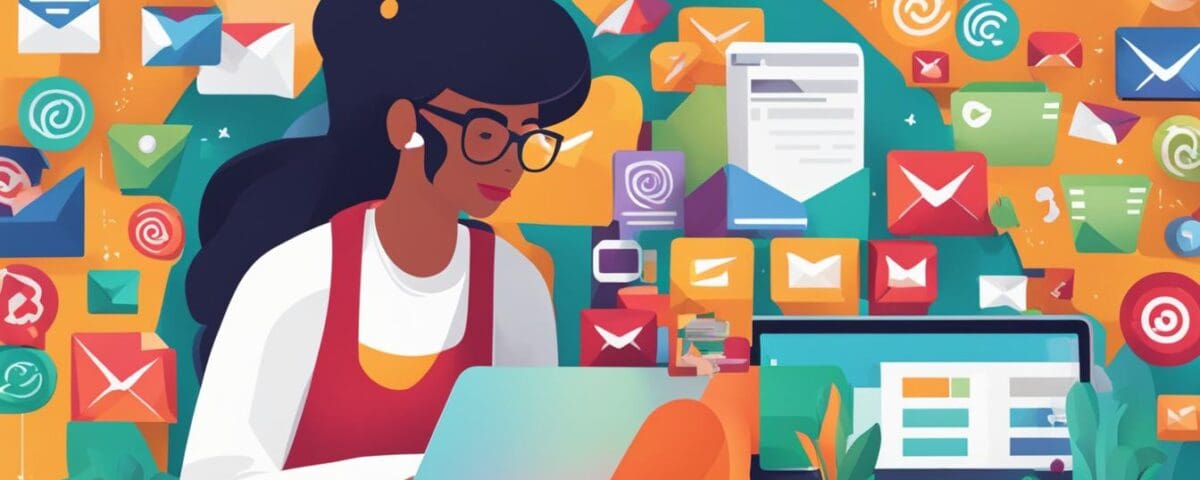
Email newsletters are a vital tool for businesses to connect with their subscribers and cultivate loyalty. In this article, we will explore the best practices that can help you create effective email newsletters that captivate your audience and drive engagement. By following these expert tips and techniques, you will enhance the impact of your email newsletters, ultimately leading to increased sales and customer satisfaction.
Key Takeaways:
- Provide valuable content to keep subscribers engaged and interested.
- Personalize your emails and offer exclusive benefits to increase retention rates.
- Create visually appealing designs that are mobile-friendly.
- Craft compelling subject lines to grab subscribers’ attention.
- Deliver engaging and relevant content to encourage action.
Importance of Subscriber Retention
When it comes to email newsletters, acquiring new subscribers is important, but retaining them is equally crucial. Subscriber retention plays a vital role in the long-term success of your email marketing efforts. By focusing on keeping your existing subscribers engaged, you can build lasting relationships and create brand loyalty. Here are some reasons why subscriber retention is so important:
- 1. Foster customer loyalty: Retaining subscribers allows you to nurture relationships with them over time. By consistently providing value and meeting their needs, you can turn them into loyal customers who are more likely to make repeat purchases.
- 2. Cost-effective: Acquiring new subscribers can be costly and time-consuming. By retaining existing subscribers, you can save on acquisition costs and focus your resources on nurturing the relationship.
Now that we understand the importance of subscriber retention, let’s explore some strategies to help you increase retention rates and maintain a loyal subscriber base.
Providing valuable content
One of the key ways to retain subscribers is by consistently delivering valuable content. Your email newsletters should provide information, insights, and resources that your subscribers find useful and relevant to their needs. By offering valuable content, you create a sense of anticipation and keep subscribers engaged, increasing the likelihood of them staying subscribed.
Personalizing your emails
Personalization is another effective strategy for retaining subscribers. By incorporating personalization elements such as addressing subscribers by their name and tailoring the content to their preferences and interests, you can make your emails more relevant and engaging. Personalization shows that you value your subscribers as individuals and increases the chances of them staying connected with your brand.
Effective Newsletter Design
When it comes to email newsletters, design is key. A visually appealing and well-organized layout can make a significant impact on capturing the attention of your subscribers. Here are some best practices for designing effective email newsletters:
1. Use visually appealing layouts
Create an attractive and professional-looking design for your email newsletters. Use eye-catching colors, fonts, and visuals to make your newsletters visually appealing and engaging. Consider using a balanced layout with clear sections to make it easier for your subscribers to navigate through the content.
2. Include high-quality images
Images can help enhance the visual appeal of your newsletters and make them more engaging. Use high-quality and relevant images that are related to your content. Make sure to optimize the image sizes so that they don’t slow down the loading time of your emails.
3. Ensure a clear hierarchy of information
Organize your content in a logical and hierarchical manner to make it easier for your subscribers to understand and navigate through your newsletters. Use headers, subheaders, and bullet points to break down the information and highlight the most important points. This will help your subscribers quickly scan the email and find the information they’re most interested in.
With the increasing use of mobile devices, it’s crucial to ensure that your email newsletters are optimized for mobile viewing. Use responsive design techniques to ensure that your newsletters adapt to different screen sizes and devices. Test your newsletters on different mobile devices and email clients to ensure a seamless experience for your subscribers.
By following these design best practices, you can create visually appealing email newsletters that effectively engage your subscribers and convey your message in a compelling way. Remember to regularly evaluate and optimize your design based on subscriber feedback and performance metrics to continuously improve your email newsletters.
Crafting Compelling Subject Lines
When it comes to email newsletters, crafting compelling subject lines is essential for grabbing the attention of your subscribers. A well-crafted subject line can significantly improve your open rates and click-through rates, leading to more engaged readers and better results for your email campaigns.
To create compelling subject lines, it’s important to be concise and descriptive. Use words that create curiosity, evoke emotions, or offer a clear value proposition. For example, you can use phrases like “Don’t miss out on…” or “Exclusive offer inside!” to pique your subscribers’ interest and entice them to open your email.
Another effective strategy is personalization. Addressing your subscribers by their name in the subject line can make them feel valued and increase the likelihood of them opening your email. Additionally, you can tailor subject lines to specific segments of your audience, making them more relevant and appealing to different groups.
Key Tips for Crafting Compelling Subject Lines:
- Be concise and descriptive
- Create curiosity or evoke emotions
- Offer a clear value proposition
- Personalize subject lines to make them more relevant
- Segment your audience to tailor subject lines to specific groups
Remember, the subject line is the first impression your email makes, so make it count. Experiment with different approaches, test your subject lines using A/B testing, and analyze the results to understand what resonates best with your audience. Crafting compelling subject lines is an art that can greatly impact the success of your email newsletters.

Engaging Content Creation
Creating engaging content is crucial for the success of your email newsletters. By providing valuable and relevant information to your subscribers, you can capture their interest and keep them engaged with your brand. Here are some strategies to help you create compelling content for your email newsletters:
Create Useful and Informative Content
- Offer practical tips and advice related to your industry or niche.
- Share educational content that addresses common pain points or challenges.
- Provide insights and analysis on industry trends or news.
Incorporate Interactive Elements
- Add interactive elements such as polls, surveys, or quizzes to encourage subscriber participation and feedback.
- Include clickable buttons or links that lead to interactive content, such as videos or interactive landing pages.
- Provide opportunities for subscribers to engage with your brand, such as contests or giveaways.
Use Storytelling Techniques
- Create compelling narratives that resonate with your audience and evoke emotions.
- Share success stories or case studies that demonstrate the value of your products or services.
- Personalize your stories by highlighting real-life experiences or testimonials from customers.
Remember to personalize your content based on your subscriber’s preferences and interests. Use data and analytics to understand what types of content perform best and tailor your email newsletters accordingly. By consistently delivering valuable and engaging content, you can build trust with your subscribers and keep them coming back for more.

Call-to-Action Optimization
When it comes to email newsletters, a compelling call-to-action (CTA) can make all the difference in driving conversions. Your CTA is the gateway to engaging with your subscribers and getting them to take the desired action. To optimize your CTAs and increase click-through rates, consider the following strategies.
1. Use Action-Oriented Language
Your CTA should use strong and action-oriented language that encourages your subscribers to act immediately. Words like “buy now,” “subscribe,” or “get started” can create a sense of urgency and motivate your readers to take the desired action.
2. Make Your CTAs Prominent
Ensure that your CTAs stand out visually by using contrasting colors and prominent placement in your email design. Make them easy to find and click on by using larger fonts, buttons, or hyperlinked text. The easier it is for subscribers to see and interact with your CTAs, the more likely they are to engage.
3. Optimize for Different Devices
With the increasing use of mobile devices, it’s essential to optimize your CTAs for different screen sizes. Make sure your CTAs are responsive and easily clickable on smartphones and tablets. Test your emails on various devices to ensure a seamless user experience.

By implementing these strategies, you can optimize your CTAs and increase the chances of driving conversions from your email newsletters. Remember to test different CTAs, track the results, and continuously refine your approach to improve your conversion rates. An effective call-to-action can greatly enhance the impact of your email marketing efforts and drive meaningful results for your business.
Personalization and Segmentation
Personalization and segmentation are crucial strategies for maximizing the effectiveness of your email newsletters. By tailoring your emails to the individual preferences and interests of your subscribers, you can deliver more relevant and compelling content that resonates with specific segments of your audience.
Benefits of Personalization
Personalization allows you to create a more personalized and engaging experience for your subscribers. By addressing them by their name and using their past interactions and purchase history to tailor your content, you can make your subscribers feel valued and understood. This not only increases the likelihood of them opening and engaging with your emails but also strengthens the bond between your brand and your subscribers.
Segmentation for Targeted Communication
Segmenting your subscriber list based on demographics, preferences, and behaviors enables you to send targeted and relevant emails to specific segments of your audience. For example, you can create segments based on geographic location, age, or previous purchases. By sending highly targeted emails, you can provide content and offers that are more likely to resonate with each segment, resulting in higher engagement and conversion rates.
Implementing Personalization and Segmentation
To implement personalization and segmentation effectively, you need to collect and analyze data from your subscribers. Use sign-up forms and preference centers to gather information about their demographics, interests, and preferences. Leverage email marketing automation tools to segment your subscriber list and send personalized emails at scale. Regularly review and update your segments based on changes in subscriber behavior and preferences to ensure the relevance of your email communications.

Personalization and segmentation are powerful strategies for boosting the effectiveness of your email newsletters. By delivering relevant and tailored content to your subscribers, you can enhance engagement, drive conversions, and build long-term relationships. Start implementing personalization and segmentation in your email marketing strategy to unlock the full potential of your email newsletters.
A/B Testing for Optimization
A/B testing is a powerful technique that allows us to optimize our email newsletters for maximum effectiveness. By testing different elements and analyzing the results, we can make data-driven decisions to continuously improve our campaigns and achieve better results.
What is A/B Testing?
A/B testing, also known as split testing, involves creating two or more variations of an element in your email newsletter and sending them to different segments of your subscriber list. By comparing the performance of these variations, you can determine which one resonates better with your audience and drives higher engagement.
For example, you can test different subject lines, call-to-action buttons, or even the placement of content in your newsletter. By monitoring metrics such as open rates, click-through rates, and conversion rates, you can identify which variation performs the best and implement it in future email campaigns.
Tips for Effective A/B Testing
- Start with a clear objective: Before you begin A/B testing, clearly define what you want to achieve. Whether it’s improving open rates, increasing click-through rates, or driving more conversions, having a specific goal in mind will help you focus your testing efforts.
- Test one element at a time: To accurately measure the impact of a specific element, it’s important to isolate it and only test one variation at a time. This way, you can attribute any changes in performance to that specific element.
- Ensure sample size is statistically significant: To obtain reliable results, make sure that the sample size for each variation is large enough. The larger the sample size, the more confidence you can have in the validity of the results.
- Analyze the data and draw conclusions: Once you have collected enough data, analyze the performance metrics to determine the winning variation. Look for statistically significant differences in performance and make data-driven decisions based on the results.
Email Deliverability Best Practices
Ensuring that your email newsletters reach the inbox of your subscribers is crucial for successful engagement. To improve email deliverability, it is important to follow industry best practices.
Use a reputable email service provider
Choose a reliable email service provider (ESP) that has a good reputation for inbox delivery. Reputable ESPs have established relationships with internet service providers (ISPs) and employ robust delivery infrastructure to maximize the chances of your emails reaching the intended recipients.
Maintain a clean email list
Regularly clean your email list by removing inactive or bounced email addresses. Not only does this improve deliverability, but it also helps you maintain a healthy subscriber list by focusing on engaged and active recipients. Implement a process to regularly validate email addresses and remove any that are no longer valid.
Avoid spam trigger words
Be mindful of the words and phrases you use in your email content and subject lines. Avoid using spam trigger words that may raise red flags with email filters. Common trigger words include phrases like “free,” “limited time offer,” and “exclusive deal.” Instead, focus on creating relevant and personalized content that resonates with your subscribers.
Monitor email deliverability metrics
Regularly monitor key email deliverability metrics such as bounce rates, open rates, and spam complaint rates. Analyzing these metrics can help you identify any issues and take corrective measures if needed. Stay vigilant and proactive in addressing any deliverability concerns to ensure the continued success of your email campaigns.
Analyzing and Measuring Success
Measuring the success of your email newsletters is essential for understanding their impact and making improvements. By tracking important metrics, you can gain valuable insights into the performance of your newsletters and make data-driven decisions to optimize your future email campaigns. Here are some key metrics to consider when analyzing the success of your email newsletters:
- Open Rates: This metric measures the percentage of subscribers who open your email. A high open rate indicates that your subject lines are compelling and piquing the interest of your audience.
- Click-Through Rates: This metric measures the percentage of subscribers who click on links within your email. It shows how engaged your audience is with your content and the effectiveness of your call-to-action.
- Conversion Rates: This metric measures the percentage of subscribers who take the desired action, such as making a purchase or filling out a form. It indicates the effectiveness of your email in driving conversions and generating revenue.
- Unsubscribe Rates: This metric measures the percentage of subscribers who unsubscribe from your email list. It helps you understand if there are any issues with your content, frequency, or targeting that may be causing dissatisfaction among your subscribers.
Using Data to Improve Performance
Once you have collected data on these metrics, it’s important to analyze the results and identify trends. Look for patterns in open rates, click-through rates, and conversion rates to understand what type of content and strategies resonate best with your audience. Use this information to make informed decisions about your email design, content creation, and targeting.
A/B testing is a valuable technique that allows you to compare different elements of your email newsletters and determine what works best. Test different subject lines, content layouts, CTAs, or even send times to see which variations yield the highest engagement and conversion rates. Continuously test and optimize your email newsletters to ensure you are delivering the most impactful messages to your subscribers.
By regularly analyzing and measuring the success of your email newsletters, you can fine-tune your strategies, increase engagement, and drive better results. Keep track of your metrics, experiment with different approaches, and use data-driven insights to continually improve the performance of your email marketing campaigns.
Building Customer Loyalty
Building customer loyalty is a crucial objective for any business, and effective email newsletters can play a significant role in achieving this goal. By consistently providing value, engaging with your subscribers, and fostering a sense of community, you can turn your email newsletter recipients into loyal customers and brand advocates.
One way to build customer loyalty is by consistently delivering valuable content to your subscribers. Whether it’s sharing industry insights, providing useful information, or offering exclusive discounts and promotions, make sure that your newsletters offer something of value to your audience. This will not only keep your subscribers engaged but also position your brand as a trusted source of expertise in their eyes.
Another essential aspect of building customer loyalty is by engaging with your subscribers on a personal level. Addressing your subscribers by their names, tailoring the content to their interests, and incorporating interactive elements can help create a personalized experience. This level of personalization shows that you care about your subscribers as individuals and can go a long way in building stronger relationships.
Fostering a sense of community
- Encourage feedback and foster two-way communication
- Respond promptly to inquiries and comments
- Provide opportunities for subscribers to interact with each other
Fostering a sense of community is another effective way to build customer loyalty. Encourage your subscribers to provide feedback, ask questions, and share their thoughts. Respond promptly and thoughtfully to their inquiries or comments, showing that you value their input. Additionally, provide opportunities for subscribers to interact with each other, such as through online forums or social media groups.
By implementing these strategies, you can transform your email newsletters into a powerful tool for building customer loyalty. Consistently provide value, engage with your subscribers on a personal level, and foster a sense of community, and you’ll create a loyal customer base that not only supports your business but also advocates for your brand.
Conclusion
Email newsletters are a powerful tool for engaging with your audience and driving business results. By implementing these best practices, you can enhance the effectiveness of your email newsletters and build long-term relationships with your subscribers.
Start by optimizing your newsletter design, using visually appealing layouts and mobile-friendly formats. Craft compelling subject lines that grab attention and entice subscribers to open your emails. Provide valuable and engaging content that resonates with your audience, incorporating storytelling techniques and personalization to make it relatable.
Furthermore, focus on call-to-action optimization to drive conversions from your email newsletters. Use strong and action-oriented language, make your CTAs prominent and easily clickable, and test different CTAs to determine what works best for your audience. Track your results and continuously improve based on data-driven decisions.
Finally, building customer loyalty is crucial for long-term success. Provide consistent value, personalized interactions, and foster a sense of community to turn your subscribers into loyal customers and brand advocates. Implement these strategies, track your results, and continuously improve to maximize the impact of your email marketing efforts.
FAQ
What are email newsletters?
Email newsletters are digital publications that businesses send to their subscribers via email. They contain valuable content and updates about the company, products, or industry.
Why are email newsletters important for business engagement?
Email newsletters are a powerful tool for businesses to engage with their audience. They allow companies to provide valuable content, share updates, and build relationships with their subscribers.
How can I improve subscriber retention for my email newsletter?
To improve subscriber retention, focus on providing valuable content, personalizing emails, and offering exclusive benefits to your subscribers. This will help maintain a loyal subscriber base.
What role does design play in creating effective email newsletters?
Design is crucial for capturing the attention of subscribers. Use visually appealing layouts, high-quality images, and clear hierarchy of information to make your newsletters visually appealing and easy to read.
How can I create compelling subject lines for my email newsletters?
Create concise and descriptive subject lines that create curiosity, evoke emotions, or offer a clear value proposition. A well-crafted subject line can significantly improve open rates and click-through rates.
How can I make my email newsletter content engaging?
Provide useful information, share industry insights, offer exclusive discounts or promotions, and incorporate interactive elements. Use storytelling techniques and personalize your content to make it more relatable and engaging.
What is the importance of a call-to-action (CTA) in email newsletters?
A clear and compelling CTA is crucial for driving conversions. Use strong and action-oriented language, make your CTAs prominent and easily clickable, and optimize them for different devices.
How can I personalize and segment my email newsletters?
Use subscriber data to personalize your emails, such as addressing subscribers by their name and tailoring content to their preferences. Segment your subscriber list based on demographics, interactions, and purchase history to send targeted and relevant emails.
How can A/B testing help optimize my email newsletters?
A/B testing involves testing different elements of your email newsletters, such as subject lines, content layouts, CTAs, and send times. Analyze the results and make data-driven decisions to improve performance.
What are email deliverability best practices?
Email deliverability best practices include using a reputable email service provider, maintaining a clean email list, avoiding spam trigger words, and monitoring email deliverability metrics to ensure your newsletters reach the inbox of your subscribers.
How can I analyze and measure the success of my email newsletters?
Track important metrics such as open rates, click-through rates, conversion rates, and unsubscribe rates. Use this data to identify trends, evaluate strategies, and optimize future email campaigns.
How can email newsletters help build customer loyalty?
Email newsletters help build customer loyalty by consistently providing value, engaging with subscribers through personalized interactions, and fostering a sense of community by encouraging feedback and two-way communication.