
Measuring Success: Content Marketing Metrics

Instagram Marketing Tactics for Business Growth

Welcome to our article on the top online advertising trends for 2023. As the digital landscape continues to evolve, it’s important to stay ahead of the game and adapt to the latest trends in order to maximize user engagement and ROI. In this article, we will explore the key trends that will shape the online advertising industry in the coming year, including programmatic advertising, AI, emerging ad formats, privacy regulations, influencer marketing, personalization, video advertising, and data-driven insights.
These trends are crucial for brands and advertisers who want to connect with their target audience and drive business success. By embracing these trends and leveraging innovative strategies, you can create impactful online advertising campaigns that resonate with your audience and deliver measurable results.
Key Takeaways:
- Programmatic advertising is a key trend for 2023, allowing for automated ad buying and placement.
- AI plays a significant role in online advertising, enabling advanced targeting capabilities and personalized ad experiences.
- Emerging ad formats like AR, VR, vertical video, and voice-activated ads are gaining traction.
- Privacy regulations require brands to ensure compliance and explore alternative methods like contextual advertising.
- Influencer marketing continues to be an effective way to reach and engage with your target audience.
The Importance of Programmatic Advertising in 2023
Programmatic advertising is a key trend in online advertising for 2023. It allows for automated ad buying and placement, using AI algorithms to target specific audiences and optimize campaign performance. This technology streamlines the ad buying process, improves ad delivery efficiency, and increases ROI for advertisers.
With its ability to reach users across multiple devices and channels, programmatic advertising is essential for maximizing user engagement in the digital landscape. It offers precise audience targeting, real-time bidding, and personalized ad experiences. Advertisers can leverage programmatic advertising to deliver relevant and impactful messages to the right audience at the right time.
By harnessing the power of programmatic advertising, brands can gain a competitive edge in the online advertising space. It empowers advertisers with data-driven insights, allowing them to make informed decisions and optimize their campaigns for better results. As digital ad trends continue to evolve, programmatic advertising will play a crucial role in driving success and achieving business objectives.
The Role of AI in Online Advertising
In the ever-evolving landscape of online advertising, AI plays a significant role in driving the latest digital ad trends. With its ability to analyze vast amounts of data and make intelligent predictions, AI enables advertisers to deliver more personalized and targeted ad experiences to their audiences.
One of the key advantages of AI in online advertising is its advanced targeting capabilities. By analyzing user behavior and preferences, AI algorithms can identify the most relevant audience segments for a particular ad campaign. This allows advertisers to optimize their ad spend by reaching the right people at the right time, increasing the chances of conversion and maximizing ROI.
Moreover, AI-powered technologies can deliver real-time optimization, constantly adapting campaigns and ad placements based on performance metrics. This ensures that advertisers can make data-driven decisions and adjust their strategies as needed, improving ad effectiveness and overall campaign success.
Benefits of AI in Online Advertising:
- Advanced targeting capabilities
- Personalized and relevant ad experiences
- Real-time optimization for improved performance

The role of AI in online advertising extends beyond targeting and optimization. AI-powered chatbots and virtual assistants are increasingly being used to enhance customer interactions and provide personalized recommendations. These conversational agents can engage with users in real-time, answering queries, and guiding them through the customer journey.
As AI continues to evolve and advance, it is revolutionizing the way brands connect with their target audience in the online advertising space. By harnessing the power of AI, advertisers can create more effective, engaging, and personalized ad experiences that drive business growth and customer satisfaction.
Emerging Ad Formats for 2023
In the constantly evolving world of online advertising, staying up to date with emerging ad formats is crucial to stay ahead of the competition. In 2023, advertisers are embracing new and innovative ways to engage their target audience and leave a lasting impression. Here are some of the emerging ad formats that are gaining traction:
1. Interactive and Immersive Ads:
With augmented reality (AR) and virtual reality (VR) experiences becoming more accessible, advertisers are leveraging these technologies to create interactive and immersive ads. These ads provide users with engaging and memorable experiences, allowing them to interact with the brand in a whole new way.
2. Vertical Video and Shoppable Ads:
Mobile advertising is evolving, and vertical video ads are becoming increasingly popular. These ads are optimized for mobile devices and provide a seamless viewing experience. Additionally, shoppable ads allow users to purchase products directly from the ad, enhancing the convenience and efficiency of online shopping.
3. Voice-Activated Ads and Podcast Advertising:
As voice assistants and audio content consumption continue to rise, advertisers are capitalizing on this trend by incorporating voice-activated ads and podcast advertising into their strategies. Voice-activated ads deliver personalized messages to users, leveraging the power of voice search. Podcast advertising offers a unique opportunity to reach highly engaged audiences through content integration.
By exploring and experimenting with these emerging ad formats, advertisers can captivate their target audience and make a lasting impact. As technology continues to advance, it’s crucial to stay ahead of the curve and leverage these innovative formats to drive success in online advertising.

The Impact of Privacy Regulations on Online Advertising
Privacy regulations play a significant role in shaping the current landscape of online advertising. With the increasing concern over data security and user privacy, governments around the world have implemented regulations to protect individuals’ personal information. The General Data Protection Regulation (GDPR) in Europe and the California Consumer Privacy Act (CCPA) in the United States are two notable examples that have had a profound impact on how advertisers collect, process, and use data.
These privacy regulations require businesses to obtain explicit consent from users before collecting and using their personal data. This shift has forced advertisers to reassess their targeting strategies and find alternative methods to reach their target audience. Contextual advertising, which delivers ads based on the content of a webpage rather than individual user data, has gained prominence as a privacy-conscious approach. By aligning ads with the context of the content, advertisers can still deliver relevant messages without relying on personal data.
The Rise of First-Party Data
Another response to privacy regulations is the increased emphasis on first-party data. First-party data refers to information collected directly from users, typically through website interactions and consented data sharing. Advertisers can build customer profiles based on this data, allowing for more accurate targeting and personalized ad experiences. By focusing on first-party data, advertisers can navigate the privacy landscape while still providing relevant and engaging ads to their audience.
- Ensure compliance with privacy regulations such as GDPR and CCPA
- Explore contextual advertising as an alternative to personalized targeting
- Invest in first-party data collection and utilization
- Implement transparent data practices and obtain explicit user consent
In conclusion, privacy regulations have had a profound impact on online advertising trends. Advertisers must adapt to these regulations by implementing transparent data practices, exploring alternative targeting methods, and leveraging first-party data. By doing so, advertisers can maintain user trust, enhance data security, and deliver personalized ad experiences that comply with privacy regulations.
The Rise of Influencer Marketing in 2023
In today’s digital landscape, influencer marketing has emerged as a powerful strategy for businesses to connect with their target audience. With the increasing popularity of social media platforms like Instagram and TikTok, influencers have become key players in the world of online advertising. These individuals, who have amassed a loyal following and established a strong influence, can effectively promote products and services to their engaged audience.
Influencer marketing offers several advantages for brands. First, it allows for authentic and relatable content creation. Unlike traditional advertising methods, influencers can seamlessly incorporate brand messages into their own personal narratives, making the content feel more genuine. This authenticity resonates with their audience, resulting in higher engagement and increased customer trust.
Moreover, influencers have the unique ability to target specific demographics or niches. They cater to niche markets that may be difficult to reach through traditional advertising channels. By partnering with influencers who align with their target audience, brands can effectively reach and engage with the right customers.
The Impact of Influencer Marketing
- Influencer marketing provides a higher return on investment (ROI) compared to traditional forms of advertising.
- Influencer recommendations and endorsements have a strong impact on purchasing decisions.
- Influencers can help build brand awareness and increase customer loyalty.
- Partnering with influencers allows brands to tap into new markets and expand their reach.

In conclusion, influencer marketing is a rising trend in online advertising for 2023. By collaborating with influencers, brands can harness the power of authentic storytelling and targeted audience engagement. As the digital landscape continues to evolve, influencer marketing will remain a valuable strategy for businesses looking to maximize their online advertising efforts.
The Power of Personalization in Online Advertising
Personalization is a crucial aspect of online advertising in 2023. Users expect personalized experiences tailored to their preferences and interests. Advertisers can leverage data insights to deliver targeted ads, personalized recommendations, and dynamic content.
By harnessing the power of personalization, brands can create more meaningful connections with their target audience. Personalized ads have a higher chance of capturing users’ attention and driving engagement. When users see ads that are relevant to them, they are more likely to click, interact, and convert.
Benefits of Personalization in Online Advertising
- Increased relevance: Personalized ads resonate with users, as they cater to their specific needs and interests.
- Improved user experience: Personalization allows brands to deliver ads that align with users’ preferences, creating a seamless and enjoyable experience.
- Higher conversion rates: By delivering targeted ads, brands can increase the likelihood of users taking desired actions, such as making a purchase or completing a form.
- Enhanced brand loyalty: When brands personalize their advertising efforts, it shows that they value their customers and understand their individual needs. This can foster stronger loyalty and repeat business.
Incorporating personalization into online advertising strategies goes beyond just delivering targeted ads. It extends to other aspects of the customer journey, such as personalized landing pages, email marketing campaigns, and retargeting strategies. Brands that prioritize personalization can create a cohesive and tailored experience for their audience, leading to stronger connections and improved campaign performance.
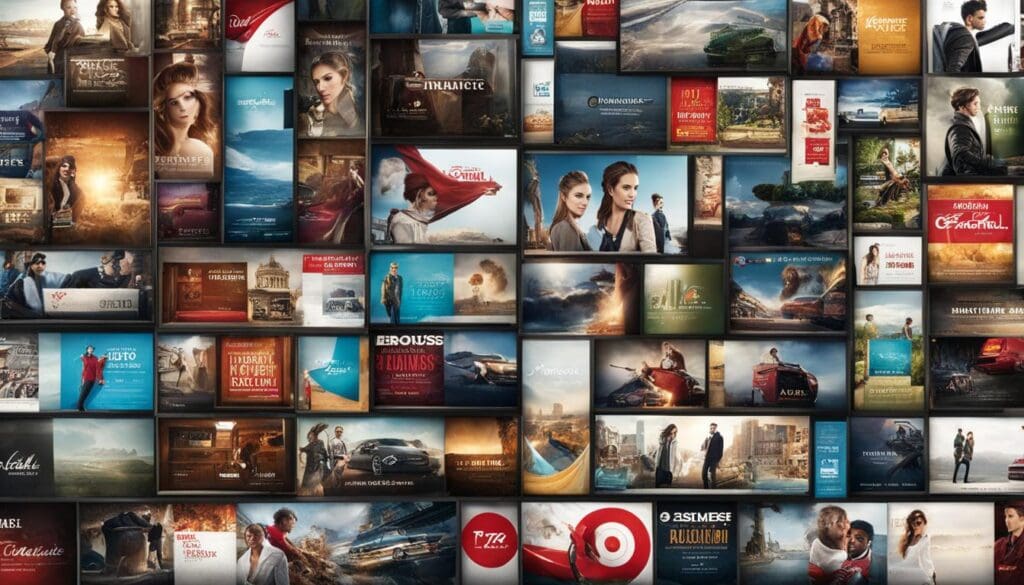
As brands adapt to the evolving digital landscape, personalization will remain a key driver of success in online advertising. By leveraging data insights, delivering relevant ads, and tailoring the customer experience, brands can maximize engagement and maximize their return on investment. The future of online advertising lies in personalization, and brands that embrace this trend will have a competitive advantage in 2023 and beyond.
Harnessing the Potential of Video Advertising in 2023
Video advertising is a powerful tool in the digital advertising landscape, and its impact is set to continue growing in 2023. With platforms like YouTube and TikTok becoming increasingly popular, brands are leveraging video ads to captivate their target audiences. The visual and auditory elements of video ads make them highly engaging and effective in conveying messages to viewers.
One of the emerging trends in video advertising is the use of vertical video, which is optimized for mobile devices and provides a seamless viewing experience. Vertical videos take up the entire screen, allowing brands to grab the attention of users and deliver their messages effectively. Additionally, live streaming and interactive video formats are gaining traction, providing interactive and immersive ad experiences that further enhance user engagement.
Incorporating Video Advertising into Your Digital Marketing Strategy
When incorporating video advertising into your digital marketing strategy, it’s important to consider your target audience’s preferences and the platforms they frequent. This will help you choose the right channels to distribute your video ads and ensure maximum reach and impact.
Furthermore, it’s crucial to create compelling and visually appealing video content that aligns with your brand identity and messaging. The first few seconds of your video ad are crucial in capturing the viewer’s attention, so make sure to hook them with an engaging opening. Additionally, optimize your video ads for different platforms and devices to ensure they are displayed correctly and provide an optimal viewing experience.
Measuring the Success of Your Video Ad Campaigns
To measure the success of your video ad campaigns, you need to track key metrics such as view count, engagement rate, and conversion rate. View count indicates the number of times your video ad has been viewed, while engagement rate measures the level of interaction users have with your ad, such as likes, shares, and comments. Conversion rate evaluates the percentage of viewers who take the desired action, such as making a purchase or signing up for a newsletter.
By analyzing these metrics, you can gain valuable insights into the performance of your video ads and make data-driven decisions to optimize your campaigns. Experiment with different video ad formats, targeting strategies, and messaging to continuously improve your results and maximize the effectiveness of your video advertising efforts.
Leveraging Data-Driven Insights for Successful Online Advertising
Data-driven insights play a pivotal role in shaping successful online advertising strategies. By harnessing the power of data analytics, advertisers can gain valuable insights into user behavior, preferences, and trends. This enables them to refine their targeting strategies, optimize ad campaigns, and ultimately drive better results.
One of the key advantages of data-driven insights is the ability to understand the specific needs and interests of the target audience. By analyzing user data, advertisers can identify patterns and trends, allowing them to tailor their ad content and messaging to resonate with their audience on a deeper level. This personalized approach not only enhances user engagement but also improves conversion rates and ROI.
Furthermore, data-driven insights enable A/B testing, which is a crucial element in optimizing ad campaigns. By testing different variations of ad creatives, headlines, and calls-to-action, advertisers can identify which elements perform best and make data-informed decisions to improve ad effectiveness. This iterative process not only helps advertisers refine their messaging but also ensures that their campaigns are constantly evolving based on real-time data.
Harnessing the Power of Data-Driven Insights:
- Analyze user behavior and preferences to understand the target audience better.
- Refine targeting strategies to deliver personalized ad content and messaging.
- Utilize A/B testing to optimize ad creatives, headlines, and calls-to-action.
- Make data-informed decisions to improve ad effectiveness and drive better results.
As the online advertising landscape becomes increasingly competitive, data-driven insights are becoming more essential than ever. Advertisers who harness the power of data analytics and make informed decisions based on actionable insights will have a competitive edge in driving successful online advertising campaigns.
Conclusion
In conclusion, staying up to date with the latest online advertising trends is essential for maximizing user engagement and ROI in the ever-evolving digital advertising landscape. As the demand for personalized and targeted advertising continues to grow, embracing programmatic advertising and leveraging AI technology are crucial strategies for success.
Furthermore, brands should explore emerging ad formats such as augmented reality (AR), virtual reality (VR), shoppable ads, voice-activated ads, and podcast advertising to stand out from the competition and capture the attention of their target audience.
Adhering to privacy regulations like the GDPR and CCPA is imperative to build trust with consumers and ensure compliance. It is equally important for brands to build relationships with influencers and prioritize personalization by delivering tailored experiences and dynamic content.
Video advertising remains a powerful tool for captivating audiences, and harnessing data-driven insights is crucial for optimizing online advertising strategies and achieving higher ROI. By adapting to these trends and implementing innovative strategies, brands can create impactful online advertising campaigns that resonate with their target audience and drive business success.
FAQ
What is programmatic advertising?
Programmatic advertising is a form of online advertising that uses AI algorithms to automate the buying and placement of ads. It optimizes ad campaigns by targeting specific audiences and maximizing campaign performance.
How does programmatic advertising streamline the ad buying process?
Programmatic advertising streamlines the ad buying process by using automated algorithms to match ads with the most relevant audience, eliminating the need for manual ad placement. It also improves ad delivery efficiency and increases ROI for advertisers.
What role does AI play in online advertising?
AI plays a significant role in online advertising by enabling advanced targeting capabilities, personalized ad experiences, and real-time optimization. AI algorithms analyze user behavior and deliver relevant ads based on their preferences.
What are some emerging ad formats for 2023?
Some emerging ad formats for 2023 include interactive and immersive ads such as augmented reality (AR) and virtual reality (VR) experiences, vertical video and shoppable ads in mobile advertising, and voice-activated ads and podcast advertising.
How do privacy regulations impact online advertising?
Privacy regulations such as GDPR and CCPA aim to protect user data and give individuals more control over their personal information. Advertisers need to ensure compliance by implementing transparent data practices and obtaining explicit consent from users.
Why is influencer marketing gaining momentum?
Influencer marketing is gaining momentum because influencers have a loyal following and strong influence over their audience. Brands partner with influencers to promote their products and services authentically, creating sponsored content, product reviews, and collaborations.
Why is personalization important in online advertising?
Personalization is important in online advertising because users expect personalized experiences tailored to their preferences. It allows advertisers to deliver targeted ads, personalized recommendations, and dynamic content, which can foster stronger connections with customers and drive higher conversion rates.
What is the power of video advertising?
Video advertising dominates the digital advertising landscape due to its high engagement rates, increased brand recall, and effective message delivery. Brands invest in video ads to captivate audiences, using formats like vertical video, live streaming, and interactive videos to provide engaging and immersive ad experiences.
How can data-driven insights optimize online advertising strategies?
Data-driven insights enable advertisers to analyze user behavior, identify trends, and refine targeting strategies. By understanding consumer preferences and interests, brands can tailor their ad campaigns to deliver the right message to the right audience at the right time, leading to improved ROI and overall ad effectiveness.
Why is it important to stay informed about online advertising trends?
Staying informed about online advertising trends is crucial for maximizing user engagement and ROI. It allows brands to adapt to the changing digital landscape, leverage innovative strategies, and create impactful advertising campaigns that resonate with their target audience.