
How Retargeting Ads Can Bring Back Lost Customers

How Small Businesses Can Use TikTok for Marketing

LinkedIn has become a powerful tool for businesses looking to expand their reach and generate leads. With over 930 million active users globally, it’s no wonder why this platform is a favorite for B2B marketing. Did you know that 80% of decision-makers use LinkedIn? This makes it an invaluable resource for small businesses aiming to connect with their target audience.
At Solved, we specialize in helping small businesses grow through effective social media strategies. Our team is here to guide you through the process of optimizing your company page and creating content that resonates with your audience. Whether you’re just starting out or looking to refine your approach, this guide will provide you with actionable tips to make the most of LinkedIn for your business.
By the end of this article, you’ll have a clear understanding of how to leverage LinkedIn to boost your lead generation efforts. From setting up your profile to crafting compelling posts, we’ll cover it all. So, let’s dive in and explore how you can transform your LinkedIn presence into a lead-generating machine. And if you’re ready to take your business to the next level, consider hiring Solved to help you increase your sales and grow your customer base.
Key Takeaways
- LinkedIn boasts over 930 million active users, making it a prime platform for B2B marketing.
- 80% of decision-makers use LinkedIn, highlighting its importance for lead generation.
- Optimizing your company page is crucial for attracting your target audience.
- Creating engaging and relevant content is key to capturing leads on LinkedIn.
- Solved offers expert services to help small businesses boost their sales through effective LinkedIn strategies.
Understanding the Power of LinkedIn for B2B Lead Generation
With over 930 million active users, LinkedIn offers a vast professional network that’s tailor-made for B2B lead generation. This platform isn’t just for individual networking; it’s a hub where decision-makers and businesses connect, making it a goldmine for companies looking to expand their reach.
Exploring the Professional Network Landscape
Imagine a space where 80% of decision-makers are actively engaged. LinkedIn provides unparalleled access to professionals who are ready to explore new opportunities. For instance, companies like Xerox, Adobe, and Dropbox have harnessed this platform to generate high-quality leads and build long-term partnerships.
These success stories highlight how a well-crafted content strategy can drive engagement and conversions. By sharing valuable insights and showcasing expertise, businesses can position themselves as thought leaders in their industry.
Why LinkedIn Is Essential for Small Business Growth
For small businesses, LinkedIn is more than just a social platform—it’s a growth engine. It allows you to target specific audiences, share your story, and build relationships that matter. With the right marketing strategy, even smaller companies can compete with larger firms.
By leveraging LinkedIn’s features, you can create meaningful campaigns that resonate with your audience. Whether it’s through thought leadership articles or engaging videos, the opportunities are endless. So, why not tap into this powerful network and take your business to the next level?
Building a Robust Company Page on LinkedIn
Your company page is more than just a profile—it’s the digital face of your business on LinkedIn. It’s where potential clients and partners first encounter your brand, making it crucial for making a great impression.
Setting Up Your Page for Success
A well-crafted company page is essential for attracting your target audience. Start by creating a strong profile description that clearly communicates your business’s mission and values. Use your logo and a compelling banner image to make your page visually appealing. Companies like Dropbox and Adobe have shown how a professional page can drive engagement and build credibility.
Optimizing Visuals and Brand Consistency
Consistent branding is key to establishing trust. Use high-quality images and maintain consistent colors and typography across all your posts. This visual coherence helps reinforce your brand identity and makes your content more recognizable to your audience.
By optimizing your visuals and maintaining brand consistency, you create a professional and approachable presence that resonates with your audience. This not only enhances your credibility but also makes your business more relatable and trustworthy.
Defining Your Target Audience and Goals on LinkedIn
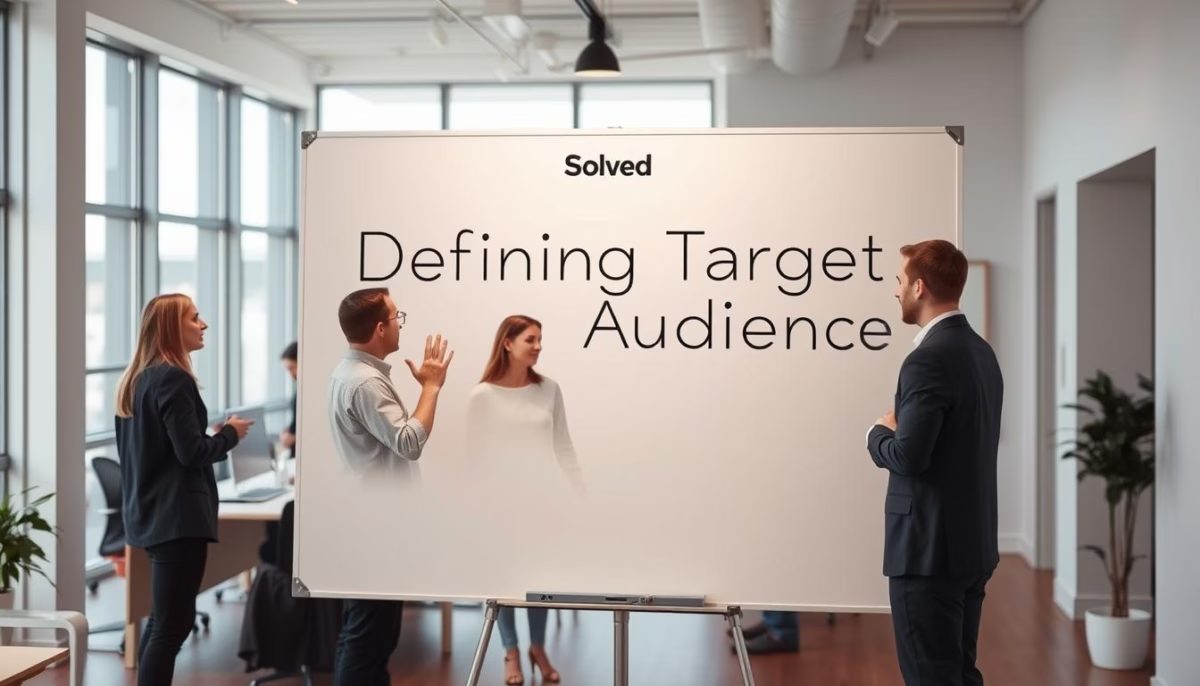
Understanding your target audience is the cornerstone of any successful lead generation strategy. It allows you to tailor your messaging and efforts, ensuring you reach the right people at the right time. Without a clear definition of your audience, your marketing efforts might fall flat.
Creating Ideal Buyer Personas
To effectively generate leads, you need to create detailed buyer personas. These personas should represent your ideal clients, including their demographics, challenges, and goals. Consider what drives their decisions and how your business can solve their problems. For example, if your target audience is small business owners, your persona might focus on their need for cost-effective solutions and time-saving tools.
Once you have your personas, set clear, measurable goals. These should align with your broader business objectives, such as increasing website traffic or boosting sales. Use LinkedIn’s advanced search tools to identify prospects and engage with them during optimal times when they’re most active.
Regularly analyze your company page’s performance to refine your strategy. Look at metrics like engagement rates and click-through rates to see what’s working. By precisely targeting your audience, you’ll achieve more efficient marketing results and generate higher-quality leads. This focused approach ensures your efforts are concentrated where they matter most.
Mastering LinkedIn Marketing for B2B
Engaging your audience effectively is crucial for generating high-quality leads. By implementing proven strategies, you can elevate your B2B efforts and foster meaningful connections.
Strategies That Drive Engagement
To captivate your audience, focus on personalized messaging and consistent posting. These tactics help build trust and keep your content top-of-mind. Sharing valuable insights and industry news can also position your brand as a thought leader.
- Personalized messaging: Address prospects by name and reference their specific interests.
- Routine posting: Maintain a consistent schedule to keep your audience engaged.
- Valuable content: Share industry insights to establish authority and trust.
Real-life Examples and Case Studies
Several companies have successfully harnessed LinkedIn’s potential. For instance, a tech firm increased its lead generation by 40% by joining niche groups and sharing targeted content. Their approach included personalized outreach and regular engagement, resulting in a significant boost in website traffic and conversions.
Another example is a software company that saw a 35% rise in engagement by humanizing their brand. They shared employee stories and behind-the-scenes content, which helped build authentic connections with their audience. This strategy not only enhanced their credibility but also improved their lead generation efforts.
By integrating advanced tools and automation, businesses can streamline their efforts and focus on what matters most—building relationships and driving results.
Developing a Consistent Content Strategy
A well-crafted content strategy is the backbone of any successful LinkedIn presence. It helps maintain consistency, engages your audience, and builds trust. Consistency is key to keeping your audience engaged and interested in your brand.
Curating and Creating Valuable Content
Creating engaging and informative content is crucial. Use a mix of original articles, industry news, and thought leadership pieces. Tools like content calendars can help plan and organize your posts in advance. Sharing employee stories and expertise adds a personal touch and builds credibility.
Quality should always come before quantity. Well-researched articles and descriptive posts are more likely to resonate with your audience. Employee-generated content can also showcase your company’s culture and services, making your brand more relatable.
Scheduling and Posting Best Practices
Consistency is vital for visibility. Use social media tools to schedule posts in advance, ensuring your audience stays engaged. Posting at optimal times increases reach and engagement. Analyze performance regularly to refine your strategy and improve results.
Leveraging Advanced Tools and Analytics for Success
Analytics are the backbone of any successful digital strategy, and on LinkedIn, they play a crucial role in refining your approach. By using advanced tools, you can gain deep insights into what works and what doesn’t, helping you make data-driven decisions.
Using Data to Optimize Campaigns
LinkedIn offers a variety of analytics tools that let you track post performance and engagement. These tools provide detailed metrics on how your content is performing, helping you understand what resonates with your audience. For instance, you can monitor engagement rates, click-through rates (CTR), and impressions to see which posts are driving the most interaction.
- Monitor engagement rates to identify top-performing content.
- Track CTR to measure how well your calls-to-action are working.
- Analyze impression data to understand your content’s reach.
Tracking CTR and Engagement for Continuous Improvement
CTR and engagement metrics are key indicators of your campaign’s success. By regularly analyzing these metrics, you can identify patterns and trends, allowing you to refine your strategy. For example, if you notice that certain types of content have higher engagement, you can focus more on creating similar posts.
Visual data, like graphs and charts, can help you quickly identify trends and make informed decisions. These visuals simplify complex data, making it easier to understand and act upon. Over time, this process of analysis and adjustment will help you continuously improve your results.
Engaging Through LinkedIn Groups and Community Interaction
Engaging with LinkedIn groups is a powerful way to build brand loyalty and expand your network. These groups act as niche communities, driving qualified traffic and fostering meaningful engagement. By participating in relevant discussions, you can position your brand as an industry leader and attract potential leads.
Finding the Right Groups for Your Brand
To identify the best groups, start by researching keywords related to your industry. Use LinkedIn’s search tool to find groups with a large, active membership. For example, groups focused on industry trends or professional development often attract engaged audiences.
- Join groups where your target audience is active to increase your visibility.
- Participate in discussions by sharing insights and asking questions to build credibility.
- Share content that adds value, such as industry news or educational resources.
For instance, a tech company might join groups discussing innovation in software development. By actively contributing, they can drive traffic to their website and generate leads. Consistent interaction helps build long-term relationships, reinforcing your brand’s presence in the community.
Strategies to Scale Your Small Business on LinkedIn
Scaling your small business on LinkedIn requires a combination of strategic relationship-building and efficient outreach. By focusing on these two key areas, you can create a solid foundation for sustainable growth.
Building Authentic Relationships
Authentic relationships are the cornerstone of long-term success. Start by engaging with your audience in a genuine way. Respond to comments, share user-generated content, and participate in relevant discussions. These actions help build trust and loyalty, which are essential for repeat business.
For example, a software company saw a 35% increase in engagement by sharing employee stories and behind-the-scenes content. This approach humanized their brand and created a deeper connection with their audience.
Utilizing Automation for Efficient Outreach
Automation tools like Linked Helper can streamline your outreach efforts, allowing you to manage large volumes of leads efficiently. When integrated with CRM systems, these tools provide advanced lead management capabilities, ensuring that no opportunity is missed.
For instance, a tech firm used automation to join niche groups and share targeted content, resulting in a 40% increase in lead generation. Their approach combined personalized outreach with efficient automation, creating a scalable and sustainable growth strategy.
By balancing personalized communication with efficient automation, you can create a scalable approach that drives real results. Remember, genuine connections are at the heart of sustainable business growth.
Expert Tips for Integrating Multimedia and Hashtags
Integrating multimedia and hashtags into your strategy can significantly enhance your content’s reach and engagement. These elements not only make your posts more dynamic but also help in capturing your audience’s attention in a crowded space.
Video Marketing and Visual Storytelling
Video content is a game-changer for B2B marketing. Studies show that videos can generate up to 5x more engagement compared to static posts. To create compelling videos, focus on telling stories that resonate with your audience. For instance, showcase how your product solves real-world problems or highlight customer success stories. Keep videos concise, ideally under 2 minutes, and ensure they are visually appealing with clear audio.

Visual storytelling humanizes your brand and builds a connection with your audience. Use high-quality images, infographics, and slides to convey complex ideas simply. This approach not only engages viewers but also positions your brand as relatable and trustworthy.
Using Hashtags to Expand Your Reach
Hashtags are powerful tools for increasing your content’s visibility. However, it’s important to use them strategically. Limit your hashtags to 3-5 per post and ensure they are relevant to the content. For example, using #B2BMarketing or #LeadGeneration can help your posts reach the right audience.
Avoid overloading your posts with too many hashtags, as this can come across as spammy. Instead, focus on niche-specific tags that align with your target audience’s interests. This approach ensures your content is discovered by the right people, enhancing your lead generation efforts.
Remember, a blend of creative effort and technical precision is key to impactful marketing. By leveraging multimedia and hashtags effectively, you can elevate your strategy and achieve your business goals.
Conclusion
As we wrap up this guide, it’s clear that leveraging LinkedIn can be a game-changer for your small business. By implementing the strategies outlined here—from building a strong company page to using analytics—you can unlock new opportunities and drive growth. Remember, the key to success lies in combining a solid strategy with engaging content and efficient tools.
Don’t forget, the insights shared are backed by real-world success stories and proven data. Companies like Xerox and Adobe have already harnessed the power of LinkedIn to boost their lead generation. Now, it’s your turn to take action and see similar results.
If you’re ready to elevate your business, let Solved be your partner. Our team of experts is here to help you implement these strategies and achieve your goals. Together, we can create a tailored approach that drives sales and expands your reach. Don’t wait—contact us today and start growing your business with confidence.